

This recipe has moved!
You can now find the updated and fully formatted version of this recipe on my new site, Gluten-Free Heritage — where I’m sharing all my favorite recipes made with fresh-milled, gluten-free grains.
👉 Click here to view the full recipe: Beginner’s Guide: Gluten-Free Grain Milling, Tools & Tips – Gluten Free Heritage
What to Expect in This Guide
The Bible speaks often of grains—from manna in the desert to Jesus multiplying loaves. Biblical bread was made from whole, unprocessed grains—not today’s hybridized, stripped, and chemically treated versions. Just look at Ezekiel bread: a nourishing blend of wheat, barley, beans, lentils, millet, and spelt (minus the part about cooking over dung, of course!).
But for many today, gluten can be problematic. Whether you’re managing celiac disease, a wheat or gluten allergy, or an autoimmune condition like Hashimoto’s, gluten can trigger anything from mild inflammation to serious intestinal damage. I often see this come up in fresh milling circles, which typically focus on soft white wheat, hard red wheat, or hard white wheat berries—yet wheat isn’t the only option. Many people don’t realize just how many different grains can be milled at home.
Naturally gluten-free grains like millet, sorghum, buckwheat, oats, teff, amaranth, organic corn, brown rice, and quinoa offer a nutrient-dense, gut-friendly alternative. Instead of relying on commercial flour or blends from health food stores, this guide helps home bakers rediscover the health benefits of milling their own flour—from ancient grains to everyday staples like brown rice flour—using simple, affordable tools for home use.
Addressing Misinformation
Grains have taken a beating in popular health circles, with claims like:
- “Grains are bad.”
- “Only celiacs need to avoid gluten.”
- “All carbs are evil.”
Books like Wheat Belly and programs like Whole30 or AIP promote temporary elimination to assess tolerance, not lifelong avoidance. My son tested allergic to wheat and gluten, so we’re navigating gluten-free living together. And I’ve discovered just how delicious and nourishing gluten-free grains can be.
Why Fresh Milling Matters
Fresh milling preserves nutrients, improves flavor, and enhances digestibility. Store-bought flour (even gluten-free) often contains preservatives, gums, and synthetic nutrients.
Benefits of Fresh Milling:
- Whole fiber and natural nutrients stay intact
- Lower glycemic impact
- No additives or gums
- Allows for soaking, sprouting, or souring for improved digestion
Unlike store-bought white flour or even pre-packaged whole grain flour, freshly milled flour retains the entire grain, including the outer layer rich in vitamin E and minerals. That’s what makes it a healthy food choice for the long run. There are several different grains available to enjoy, no gluten needed!
Grain Spotlights: The Best Gluten-Free Grains for Milling
Each of these grains is naturally gluten-free and nutrient-dense:
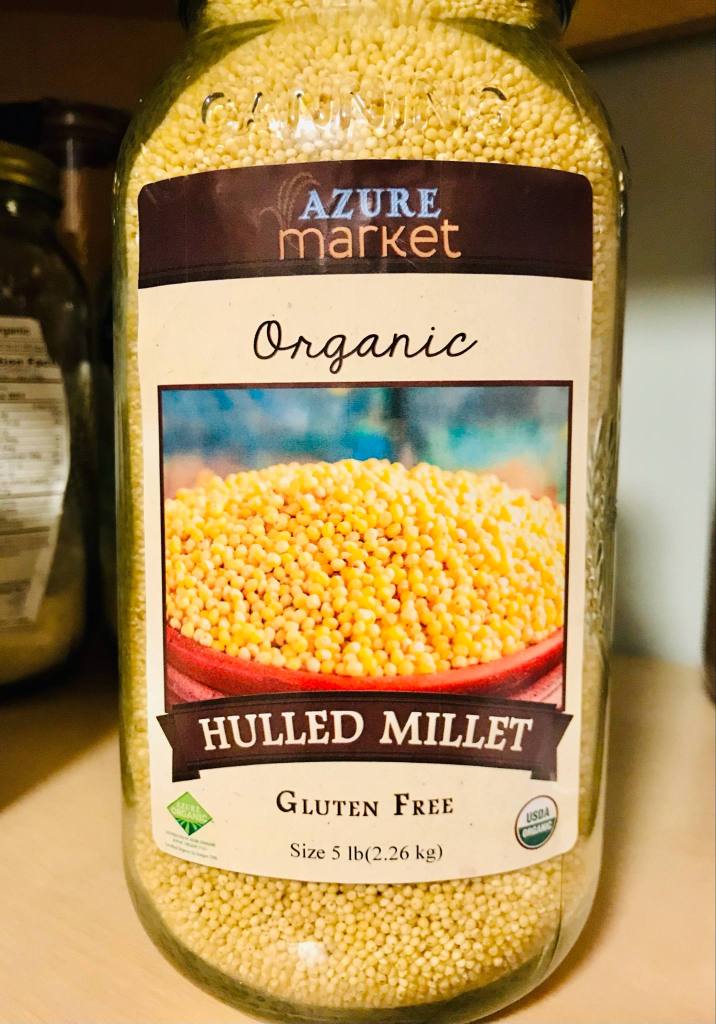
1. Millet
Health: Supports heart and blood sugar health
Flavor: Mild, slightly sweet
Best Uses: Muffins, pancakes, flatbreads, snack bars
Nutrition: Magnesium, phosphorus, fiber
Recipe to try: Millet Dinner Rolls (Gluten-Free, Wheat-Free, and Family Approved!), or Moist Lemon Poppy Seed Muffins
2. Oats
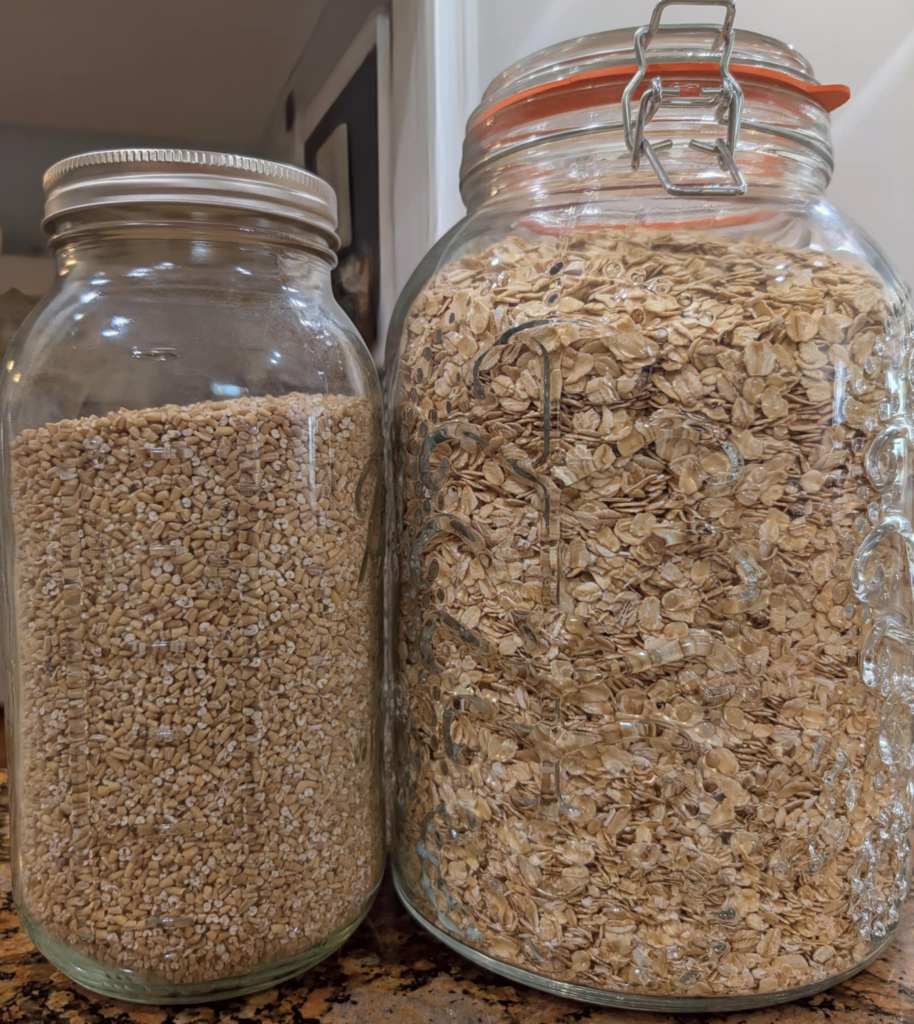
Health: Lowers cholesterol and supports digestion
Flavor: Mild and creamy
Best Uses: Cookies, smoothies, muffins
Nutrition: Beta-glucan, B vitamins, manganese
Recipe to try: Whole Grain Gluten-Free Oatmeal Chocolate Chip Bars
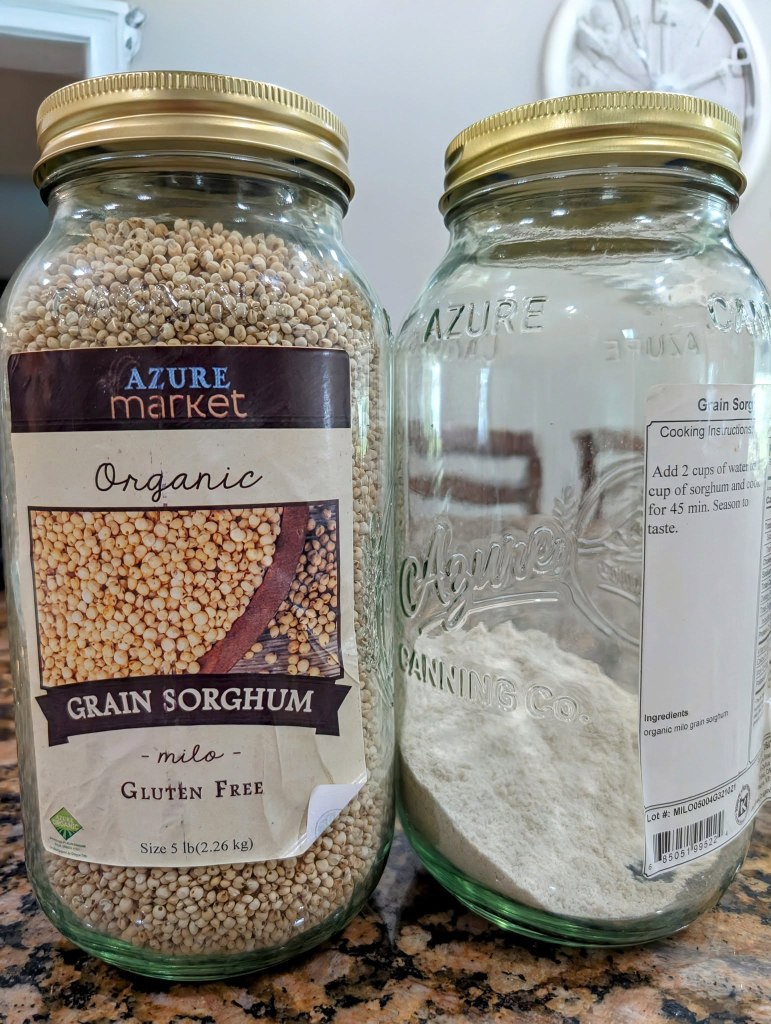
3. Sorghum
Health: Aids digestion and blood sugar regulation
Flavor: Mild, earthy
Best Uses: Breads, flatbreads, crackers
Nutrition: Fiber, iron, protein
Recipe to try: Gluten-Free Fresh Figs & Cinnamon Quick Bread, or Naan Skillet Bread (both made with millet + sorghum)
4. Teff
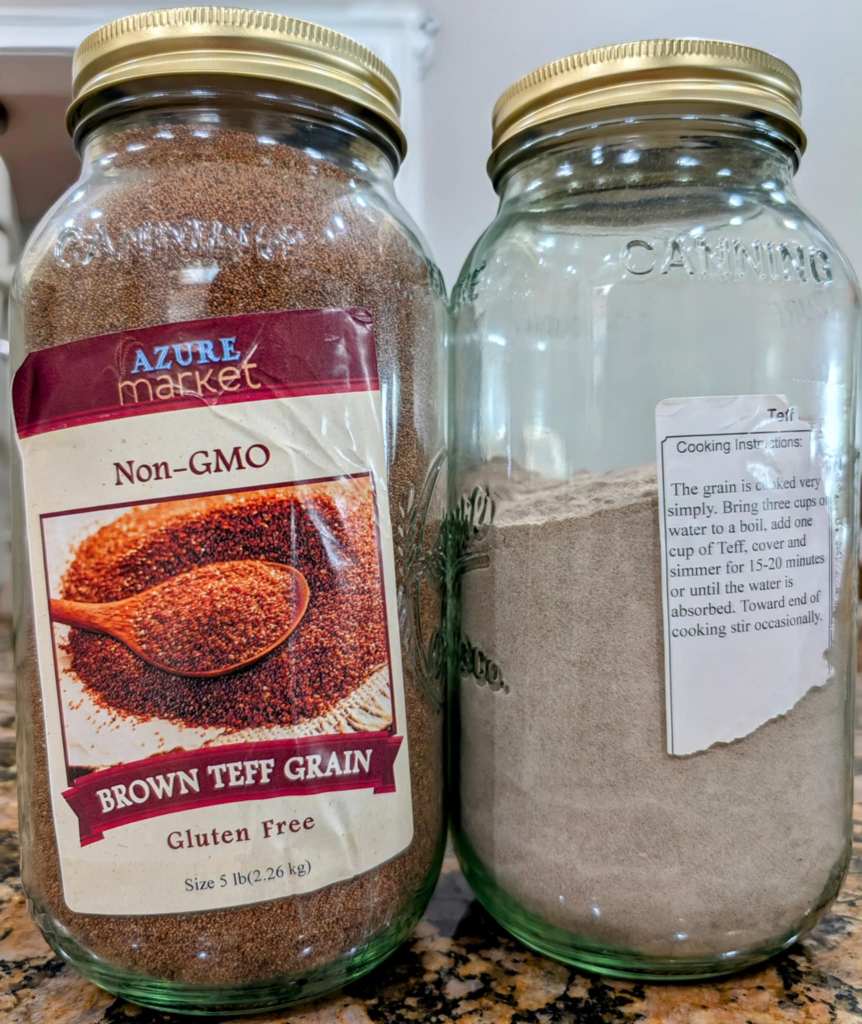
Health: Boosts iron and gut health
Flavor: Nutty, sweet
Best Uses: Pancakes, porridge, breads
Nutrition: Iron, calcium, resistant starch
Recipe to try: Teff Injera
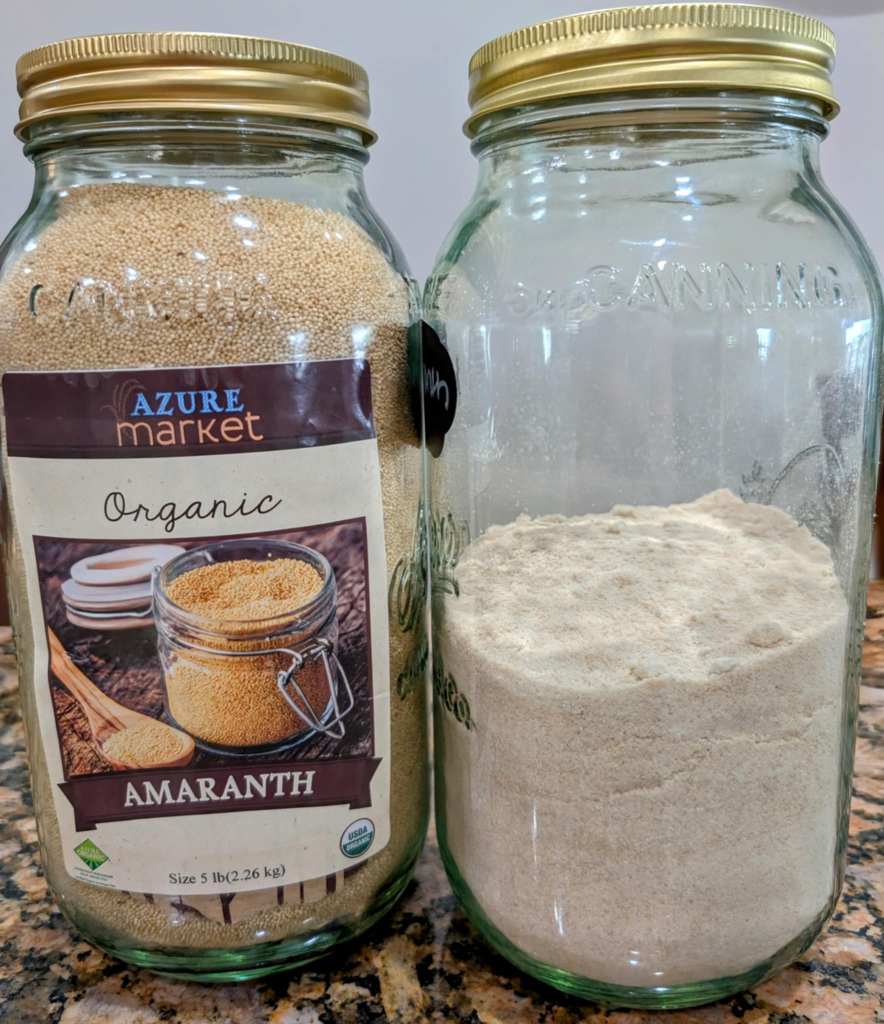
5. Amaranth
Health: Supports muscle repair and heart health
Flavor: Earthy, dense
Best Uses: Muffins, porridges, breads
Nutrition: Protein, iron, lysine, magnesium
Recipe to try: Herb and Garlic Amaranth Crackers {vegan and gluten free}
6. Buckwheat
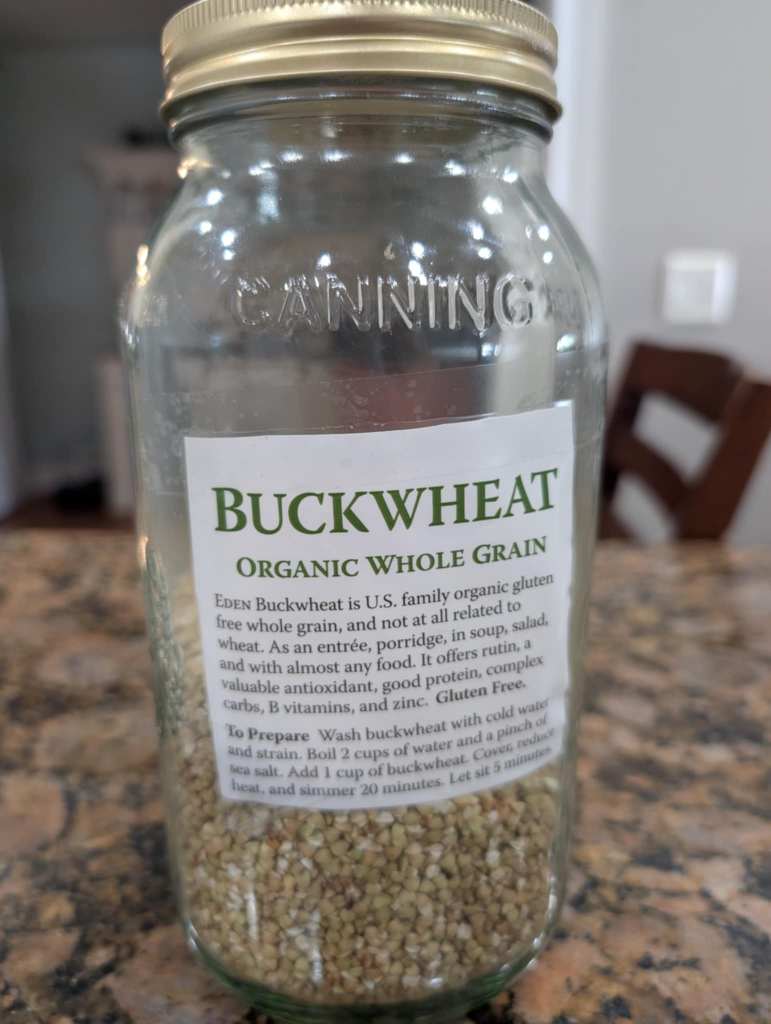
Health: Supports cardiovascular and hormone health
Flavor: Nutty flavor and hearty texture
Best Uses: Pancakes, crackers, and soba noodles
Nutrition: Complete protein, magnesium, rutin
Recipe to try: Buckwheat Pancakes
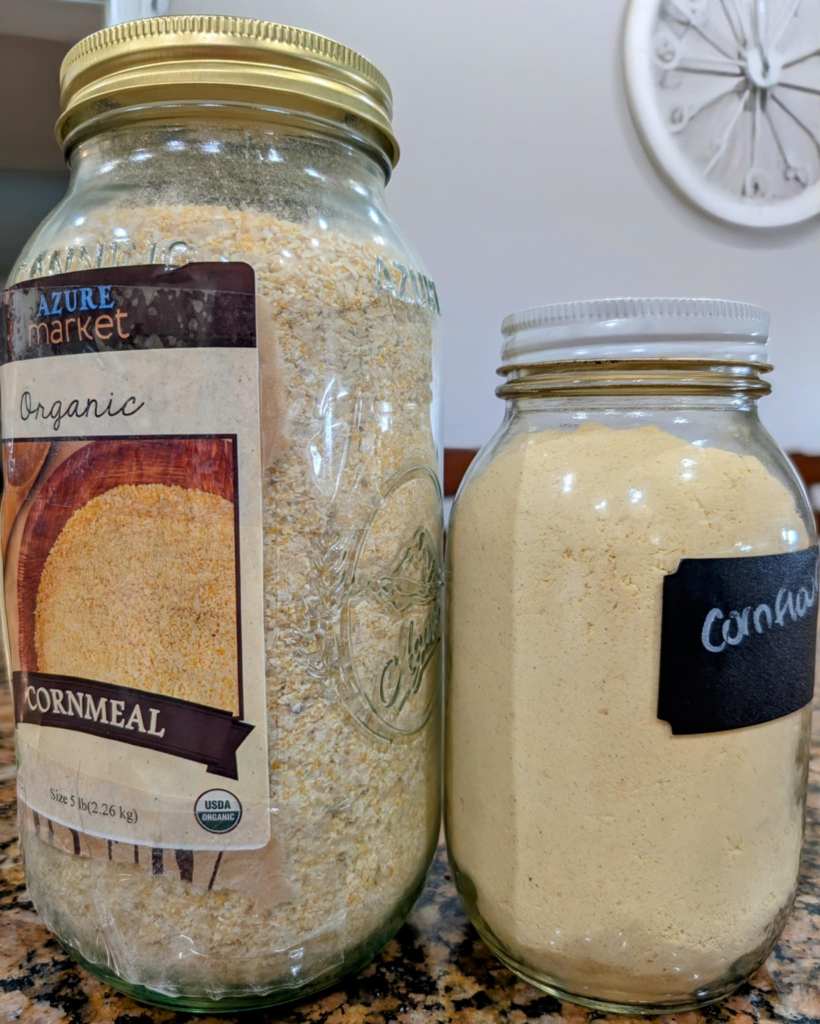
7. Corn (Non-GMO)
Health: Supports energy and vision
Flavor: Sweet, nutty
Best Uses: Tortillas, arepas, polenta
Nutrition: Carotenoids, B vitamins, fiber
Recipes to try: Cleaning Up Mom’s Diner: 1950s Meals & Recipes Made GF & DF (Oven Fried Breading, Corn Muffins, and Grits)
8. Brown Rice
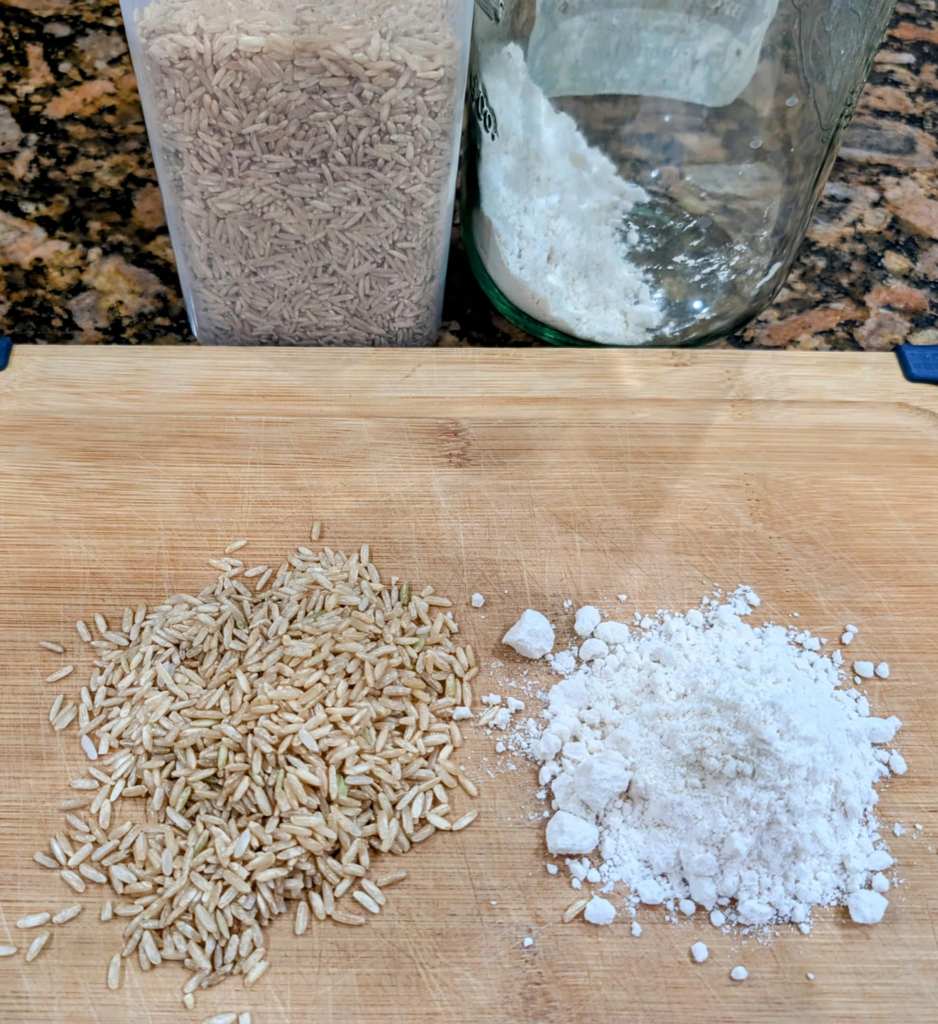
Health: Anti-inflammatory and gut-friendly
Flavor: Mild and gentle
Best Uses: Muffins, gravies, quick breads
Nutrition: Manganese, selenium, protein
Recipe to try: Brown Rice Sourdough Starter, or Healthy Lemon Bars
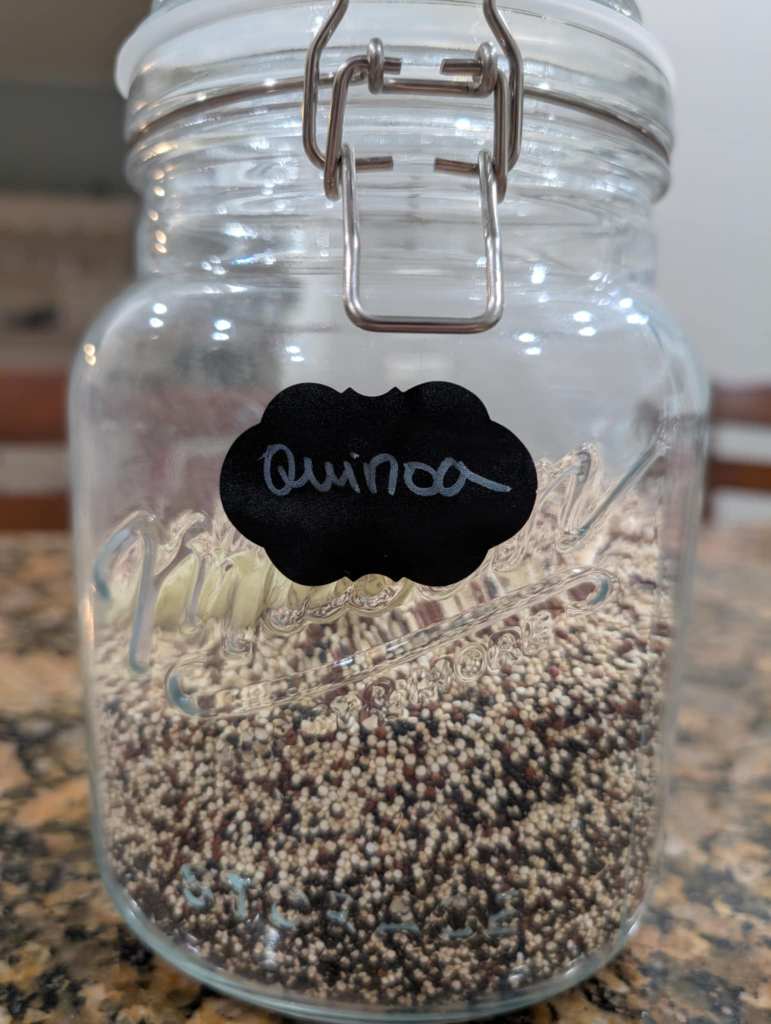
9. Quinoa
Health: Hormone support and inflammation reduction
Flavor: Mild, slightly nutty flavor
Best Uses: Muffins, pancakes, porridge
Nutrition: Complete protein, folate, iron
Recipe to try: Quinoa Chocolate Cake
Where to Buy Quality Whole Grains & Gluten-Free Baking Ingredients
Here are trusted online sources I’ve personally used or contacted:
- Amazon (verify sourcing!)
- Anthony’s Goods
- Azure Standard – Most of my grains come from here!
- Bread Beckers
- Bob’s Red Mill (Certified GF line) – I use their cup-for-cup GF flour and Flaxmeal
- Gluten-Free Prairie
- Grain Place Foods
- Hummingbird Wholesale
- Nu Life Market
- NutriMill – they also carry grains!
- Pleasant Hill Grain
- Shiloh Farms
In addition, you can often find some of these gluten-free grains at local farmers’ markets, natural grocers like Whole Foods, or through buyer’s co-ops.
Tools for Fresh Milling
When I first began experimenting with home milling, I started with the KitchenAid Metal Grinder Attachment. It’s a helpful entry point for small batches, but once I switched to the NutriMill Classic, it became my go-to. It mills much faster and includes an enclosed storage canister, which means flour goes straight from the mill to the container with minimal mess—a significant advantage for everyday use. If you’re just starting out, using a KitchenAid mixer with a metal grinder attachment or a high-powered blender, can work for small batches. It’s also useful for oilier grains and seeds.
While many in our Fresh Milled Flour | Gluten Free Grains community use mills like Mockmill, WonderMill, or Salzburger, my focus—and affiliate partnership—is with NutriMill. Their range of mills is especially well-suited for gluten-free grains, and I’m excited to break down the differences to help you find your perfect fit:
Choosing the Right NutriMill for Gluten-Free Grains
Whether you’re a beginner or upgrading your type of grain mill, choosing the best grain mill for your needs makes a big difference. Electric grain mills like the NutriMill Classic are ideal for home use, especially when working with dry grains in large quantities.
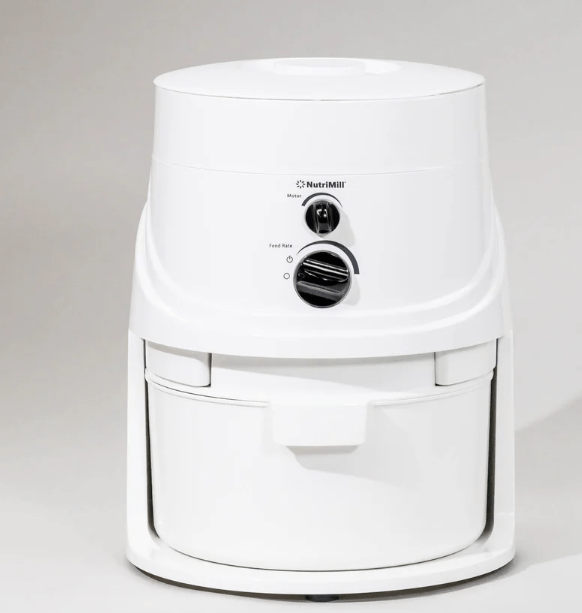
Integrated storage bowl reduces flour mess.
Impact mills are powerful and fast electric mill
Produces super-fine flour for soft, smooth baking
Perfect for dry gluten-free grains, such as rice, millet, and corn.
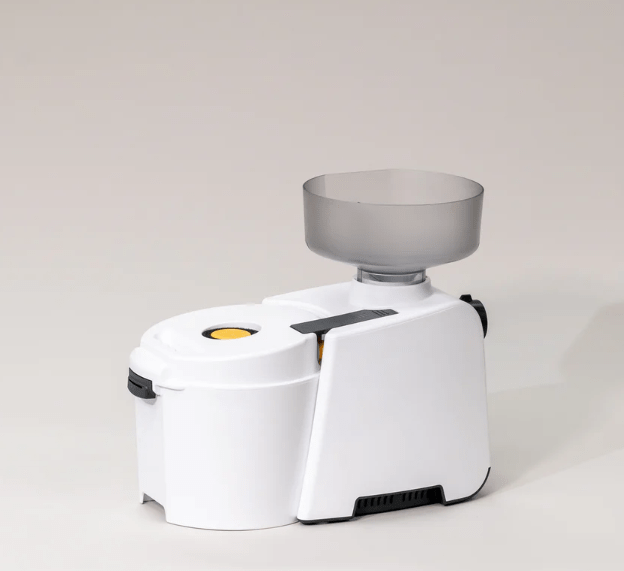
Ideal for frequent bakers or large families
Same power as the Classic, but quieter
Compact design with a convenient retractable cord
Built-in storage for flour makes cleanup simple
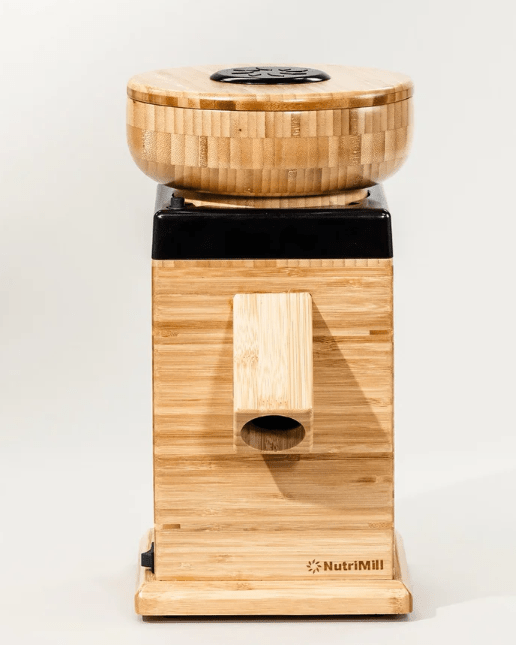
NutriMill Harvest (Stone Burr Mill)
Best for those who prioritize nutrition and tradition
Stone mill uses stone burrs to grind grains
Features slow-turning granite stones for gentle, traditional grinding
Retains more nutrients through low-heat milling
Beautiful wood finish—fantastic for countertop display
All three models handle dry, non-oily gluten-free grains with ease. For oily seeds like flax or chia, a separate spice or coffee grinder is recommended to prevent clogging your primary mill. You can get $20 off your purchase with this affiliate link and the code VINTAGEVIRTUES.
Storage Tips
- Store grains whole to maintain shelf life
- Mill only what you need for each bake
- Store in airtight container; keep in a cool place such as refrigerator, freeze extra flour
- I prefer mason jars with vacuum sealing to keep everything fresh and organized
Grain-to-Flour Yield Conversion Chart
| Whole Grain (Dry) | Approx. Flour Yield | Notes |
|---|---|---|
| 1 cup Millet | 1 1/4 cups of flour | Fine, slightly sweet |
| 1 cup Oats | 1 1/3 cups of flour | Best when fresh rolled or ground |
| 1 cup Buckwheat | 1 1/4 cups of flour | Use hulled groats |
| 1 cup Sorghum | 1 1/3 cups of flour | Mild, sweet taste |
| 1 cup Rice | 1 1/4–1 1/3 cups flour | Yields vary by variety |
| 1 cup Corn | 1 cup of flour | Use whole dried kernels |
| 1 cup Teff | 1 1/3 cups of flour | Fine, best stored cold |
| 1 cup Amaranth | 1 1/4 cups of flour | Nutty, sticky when wet |
| 1 cup Quinoa | 1 1/4 cups of flour | Mill dry. Most store-bought quinoa is pre-rinsed to remove bitter saponins |
Gluten-Free Binders & Boosters
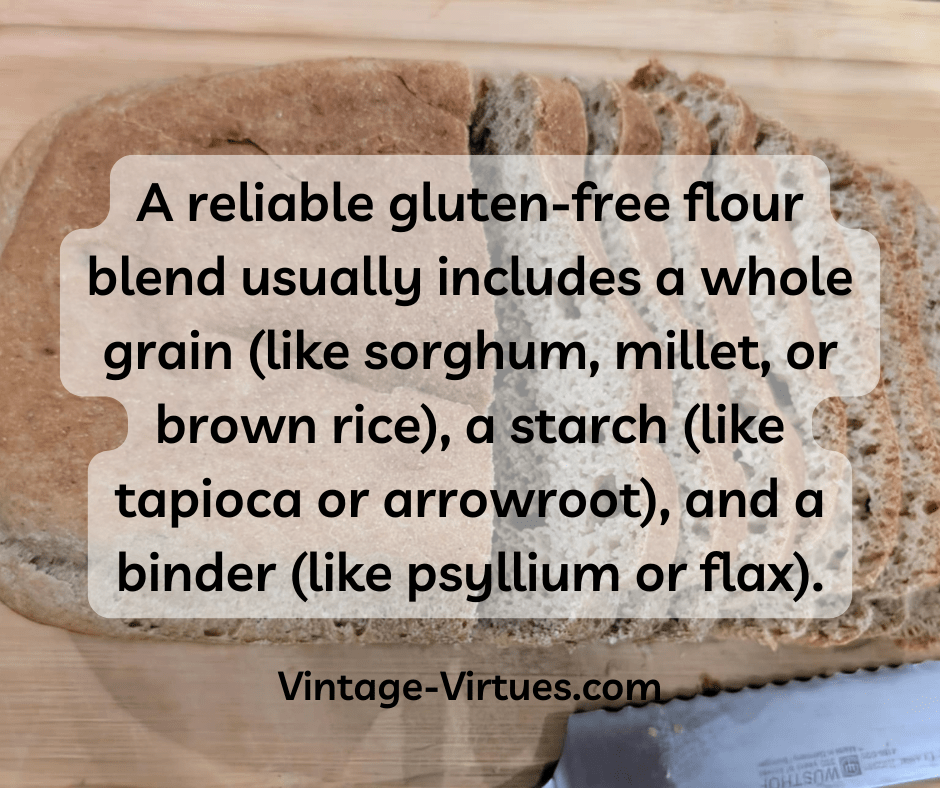
A reliable gluten-free flour blend usually includes a whole grain, a starch and a binder. Since gluten-free flours lack stretch, binders are essential for structure. Gums can sometimes be replaced with binders (like psyllium husks powder instead of xanthan gum). Gums should be used sparingly, or not at all for those with sensitivities.
Starches (Soften, Crisp, or Lighten)
- Tapioca – Adds chew and flexibility
- Arrowroot – Lightens cakes, but can dry them out
- Potato Starch – Retains moisture well
- Cornstarch – Adds crispness
Binders (Add Structure & Elasticity)
- Psyllium Husk Powder – Gel-like, fiber-rich
- Flaxseed Meal – “Flax egg” binder
- Chia Seeds – Moisture retention
- Eggs – Classic binder and leavener
Gums (Use Sparingly)
- Xanthan Gum – Improves stretch (¼–1 tsp per cup of flour)
- Guar Gum – Better in cold applications
Final Thoughts + Call to Action
Fresh milling gluten-free grains is a powerful way to return to real food, nourish your body, and connect with tradition. Whether you’re navigating food allergies or simply seeking better nutrition, it’s worth the effort. There’s a learning curve, but the reward is high-quality, nutrient-rich flour with endless possibilities—from tender pancakes to sourdough bread made from your own mill
Ready to try it? Start with one grain. Try a muffin or pancake recipe. Join our Fresh Milled Flour | Gluten Free Grains Facebook group or comment below with your questions. Let’s reclaim the joy of real bread—one grind at a time.
References & Further Reading
- America’s Test Kitchen. How to Use Psyllium Husk in Gluten-Free Baking.
- America’s Test Kitchen. The How Can It Be Gluten-Free Cookbook.
- Asbell, Robin. The Whole Grain Promise.
- Bob’s Red Mill. How to Replace Eggs in Your Recipes.
- Celiac Disease Foundation. Gluten-Free Baking Tips.
- Desta, S. (2010). Overview of Teff Production, Use, and Research in Ethiopia. Journal of SAT Agricultural Research.
- FAO (1995). Amaranth: Ancient Crop for Modern Times.
- Hagman, Bette. The Gluten-Free Gourmet Bakes Bread.
- Hu, F. B. (2003). Plant-Based Diets and Cardiovascular Disease. The American Journal of Clinical Nutrition (AJCN).
- King Arthur Baking Company. Baking Without Eggs.
- O’Hara, J., & Day, L. (2019). Oats in Human Health. Nutrients.
- Publications International. The Gluten-Free Bible.
- Ranhotra, G. S., Gelroth, J. A., & Leinen, S. D. (1993). Properties of Sorghum and Millet. Cereal Foods World.
- Sathe, S. K., & Salunkhe, D. K. (1984). Bean Protein Functionality. Journal of Food Science.
- Serious Eats. The Science of Eggs.
- Taylor, J. R. N., & Schober, T. J. (2005). Sorghum and Millet in African Foods. Food Reviews International.
- USDA FoodData Central. https://fdc.nal.usda.gov/
- Weaver, C. M., & Plawecki, K. L. (1994). Dietary Calcium in Vegetarian Diets. The American Journal of Clinical Nutrition (AJCN).
Bonus Resources:
- NutriMill. Choosing the Right Grain Mill. https://www.nutrimill.com
- Gluten-Free Watchdog. Testing and Product Safety. https://www.glutenfreewatchdog.org
- Vintage Virtues. Fresh-Milled Gluten-Free Recipes & Guides. https://vintage-virtues.com/category/biblical-homesteading-feasts/moms-diner-recipes/fresh-milled-flour-gluten-free-grains/
Affiliate Disclosure
This post may contain affiliate links, including Amazon Associate links. That means I may earn a small commission—at no extra cost to you—if you make a purchase through one of these links. You can read the full disclosure [here]. Your support helps cover the cost of running the Vintage Virtues blog and means so much. Thank you!


Leave a comment