

Ah man, one of my most popular blog articles has been Mom’s Diner: A Week of 1950’s Inspired Meals & Recipes! But in the past couple of years of blogging, things have changed in our household!
We started by cutting out dyes and artificial ingredients and eating biblically clean whole foods. After learning about dead flour, we ventured into fresh milled flour. Then, after a wheat & gluten allergy diagnosis for my son, we went gluten-free but still prefer fresh milled whole grains for their nutritional value. If you’re an avid follower of the Vintage Virtues blog or Facebook groups, you’ve no doubt seen the transition over time.
That said, I perused past articles and was refreshed to see how far we’ve come. So, I’ve decided to dive right in and clean up Mom’s Diner with some healthier options. Follow along on our week of delightful 1950’s-inspired meals and recipes. We’re already gluten-free and prefer milling whole grain, gluten-free, fresh-milled flours. During the midst of this undertaking, my doctor challenged me to try a dairy-free diet due to new-onset GI issues with dairy consumption!
I’ve traded in the artificial flavors and colors of fruity flavored marshmallows for homemade ones in a lightened-up Ambrosia salad. I traded in Hawaiian Punch-inspired Jello molds for beef gelatin flavored with real fruit juice. I invite you to pull up a virtual seat in Mom’s Diner for a week of delightful 1950s menus, with a healthier spin. I have hyperlinked each of the recipes or provided my own recipe cards for the main entrees, desserts, and a few signature sides. This week, I present to you seven 1950s-era-inspired meals that you can feel good about serving your family!
Table Settings in the 1950s
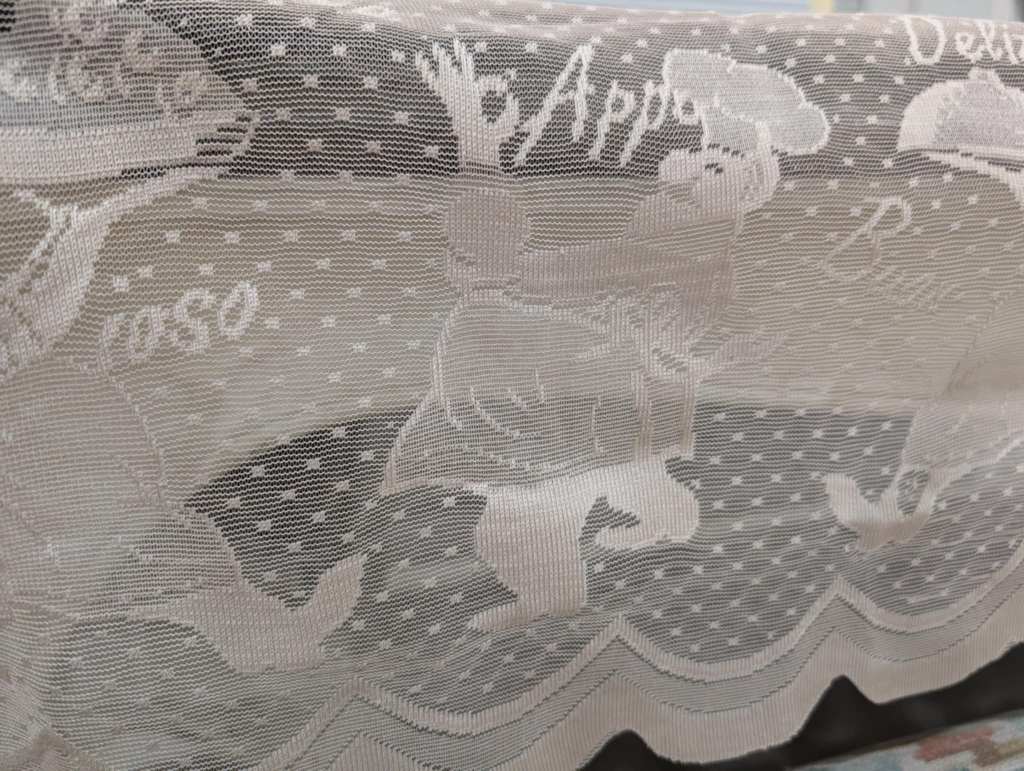
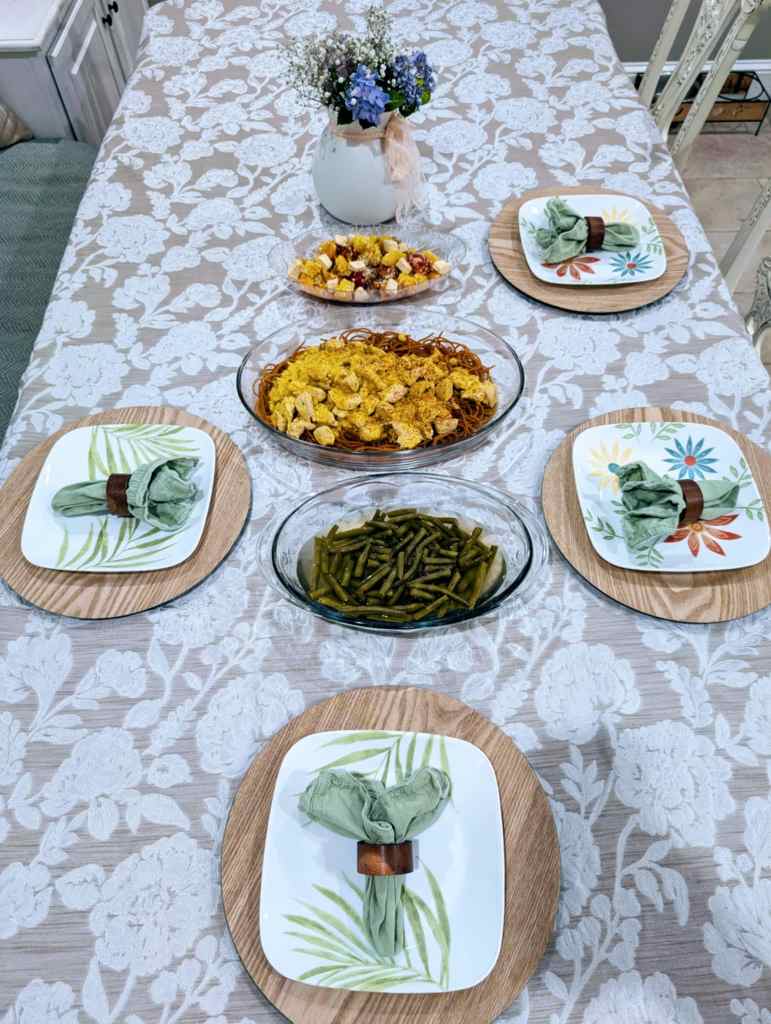
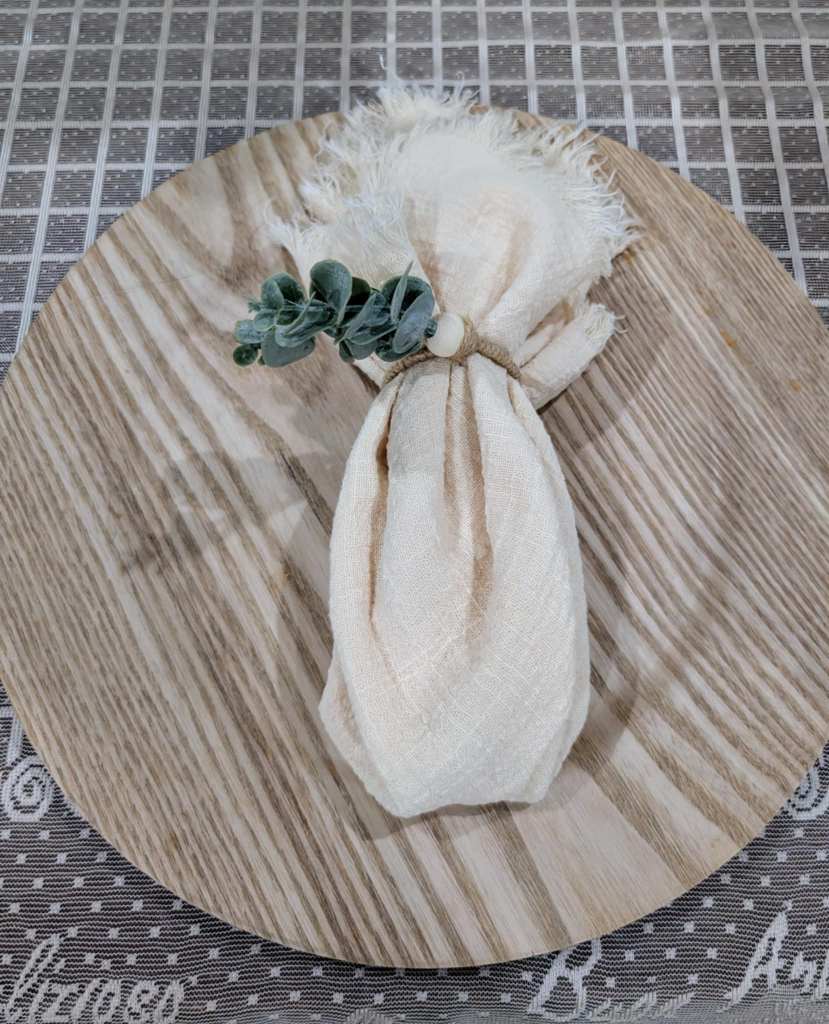
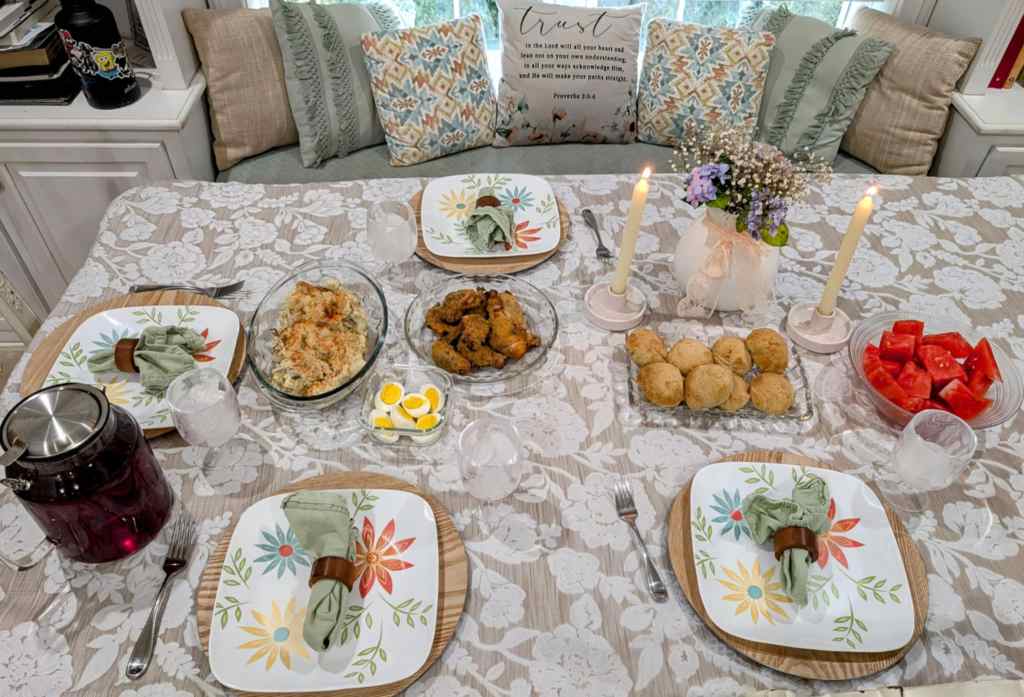
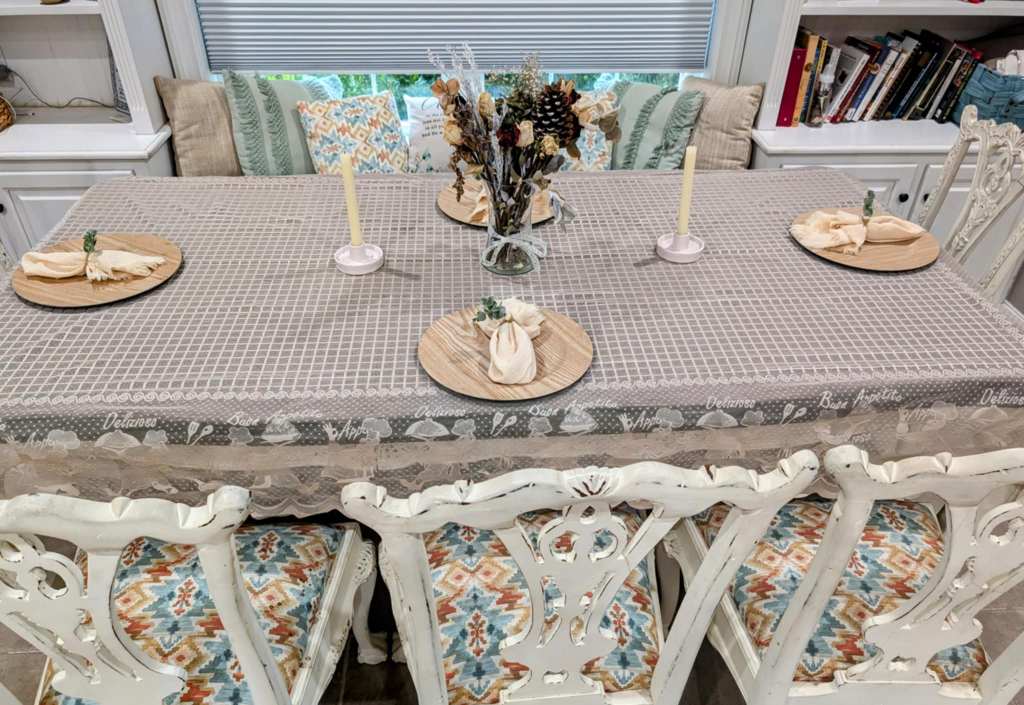
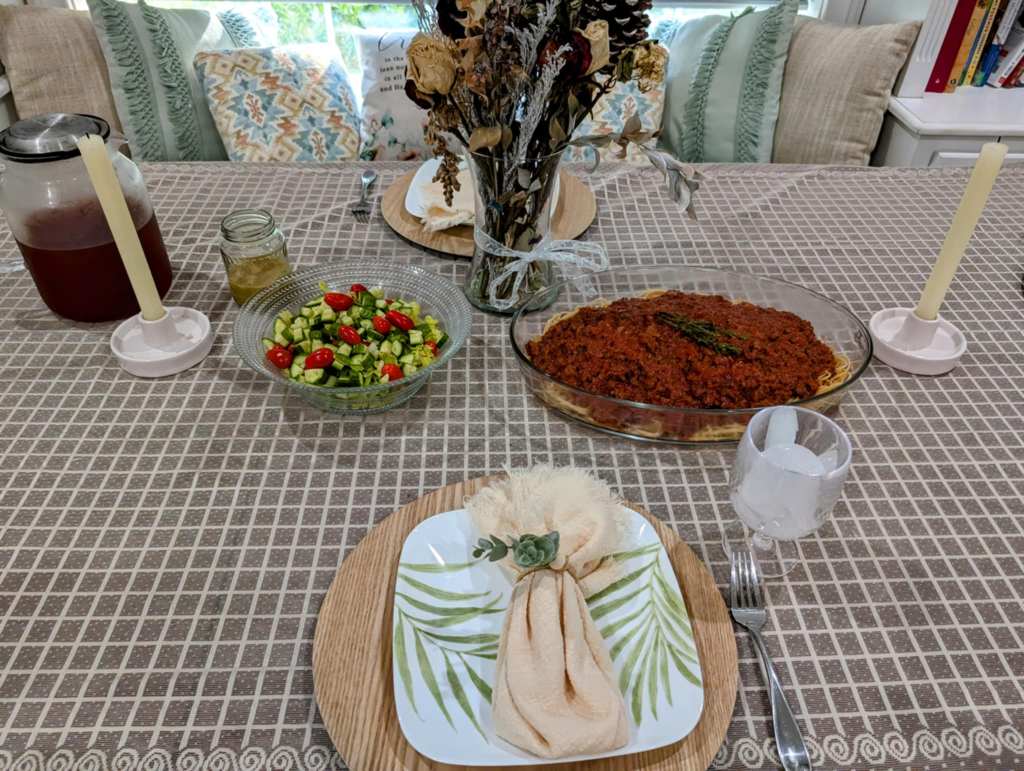
I’m still rocking the Corelle dishes, which last forever, but I’ve refreshed my kitchen table with brand-new tablecloths, napkins, and napkin rings, for that 1950s aesthetic appeal. I’ve created decadent table settings, complete with elegant tablecloths, proper place settings, and floral centerpieces, which were prominent in that era. These small touches don’t have to be reserved for special occasions.
Chicken à la King Reigns Supreme
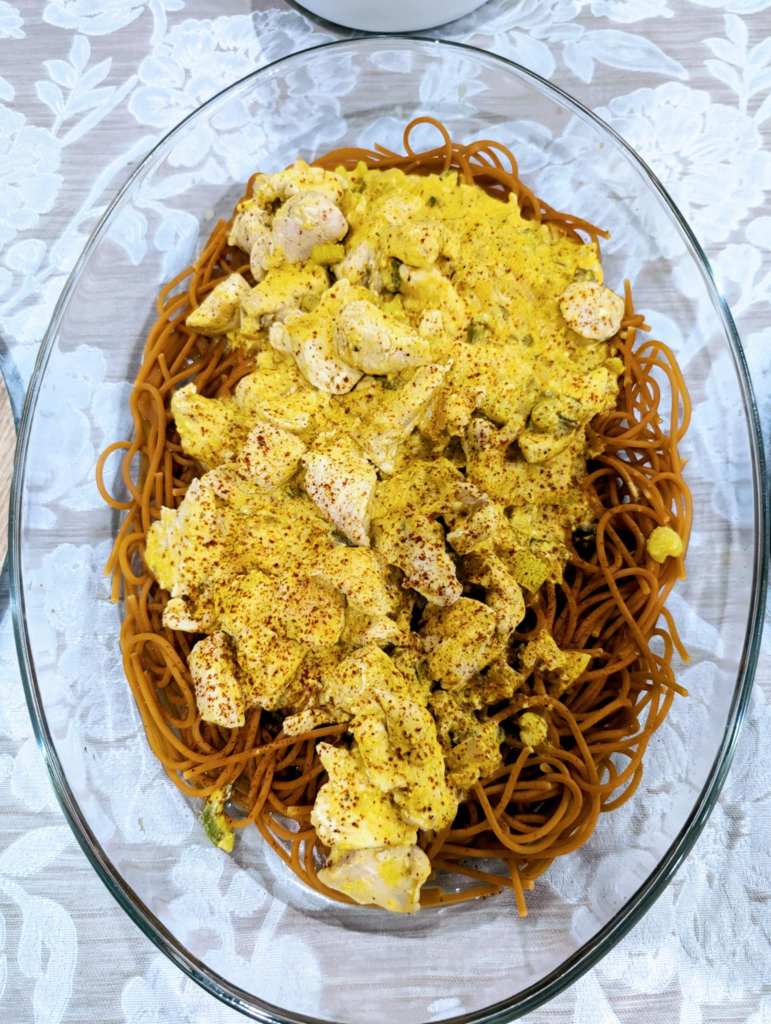
On the first night, we enjoyed the delicious classic dish: Chicken à la King. This creamy, savory meal typically features chicken breast, mushrooms, and onions, all enveloped in a tangy, velvety gravy. It’s easily adaptable to gluten-free and dairy-free diets. Traditionally served over rice, pasta, or potatoes, the dish gained popularity in the 20th century—particularly in the United States.
On the first night, we enjoyed the delicious classic dish: Chicken à la King. This creamy, savory meal typically features chicken breast, mushrooms, and onions, all enveloped in a tangy, velvety gravy. It’s easily adaptable to gluten-free and dairy-free diets. Traditionally served over rice, pasta, or potatoes, the dish gained popularity from the late 19th century to the 20th century, particularly in the United States.
To make our version gluten-free, I used brown rice flour to thicken the gravy and served it over red lentil noodles. It can also be made dairy-free with your preferred milk alternative. Be mindful of common additives like carrageenan, polysorbate 80, and other emulsifiers that often find their way into non-dairy products.
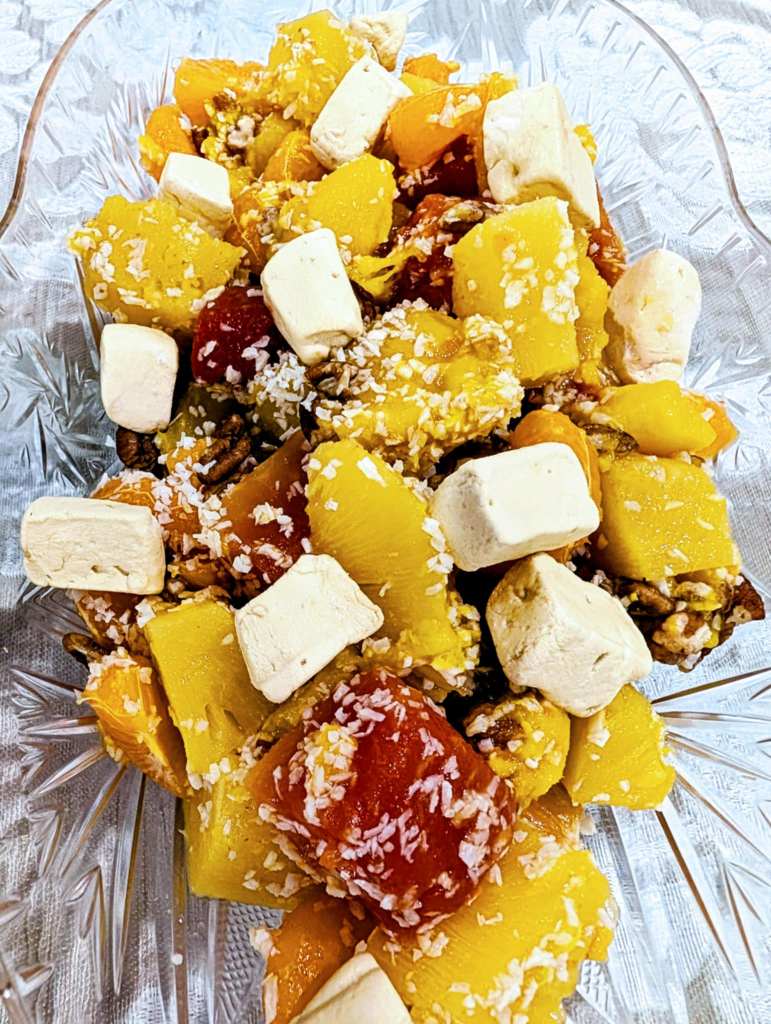
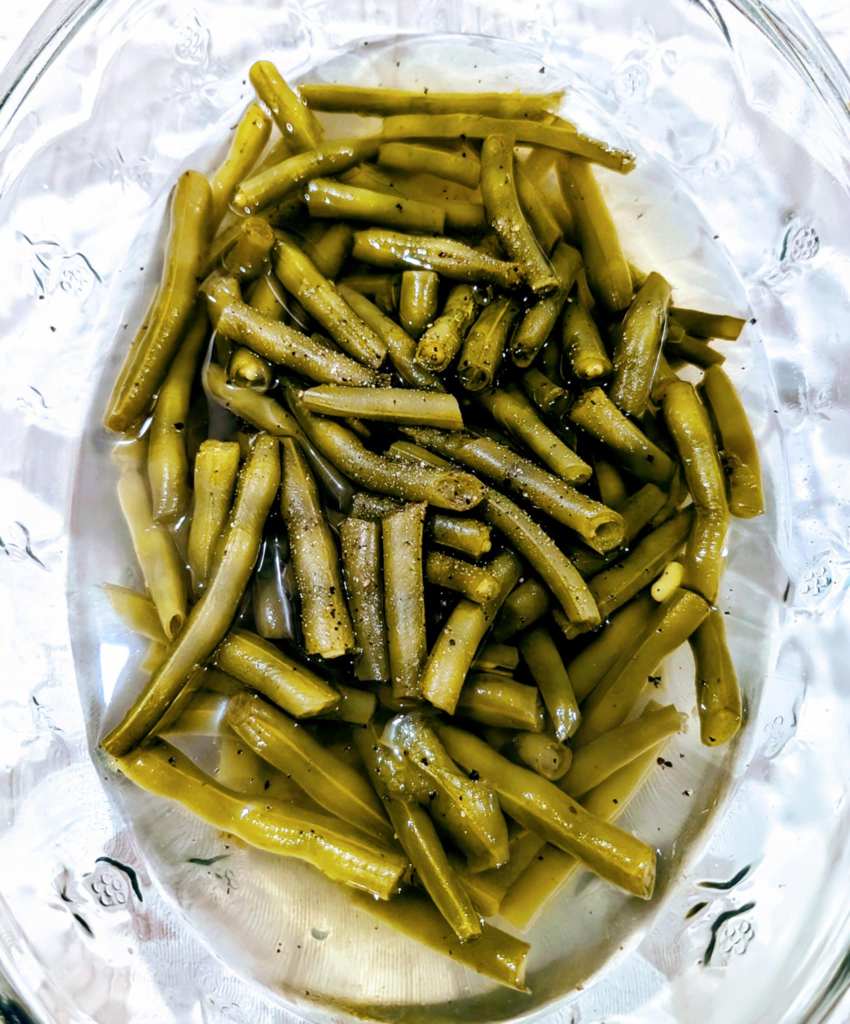
On the side, we had home-canned green beans—just like Granny used to make—and a lightened-up Ambrosia fruit salad. I skipped the heavy whipping cream and cream cheese, instead tossing mixed fruit with crushed pecans and shredded coconut. We even swapped out the artificially flavored and colored marshmallows of years past for homemade marshmallows.
A Classic Southern Fried Chicken Summer Supper
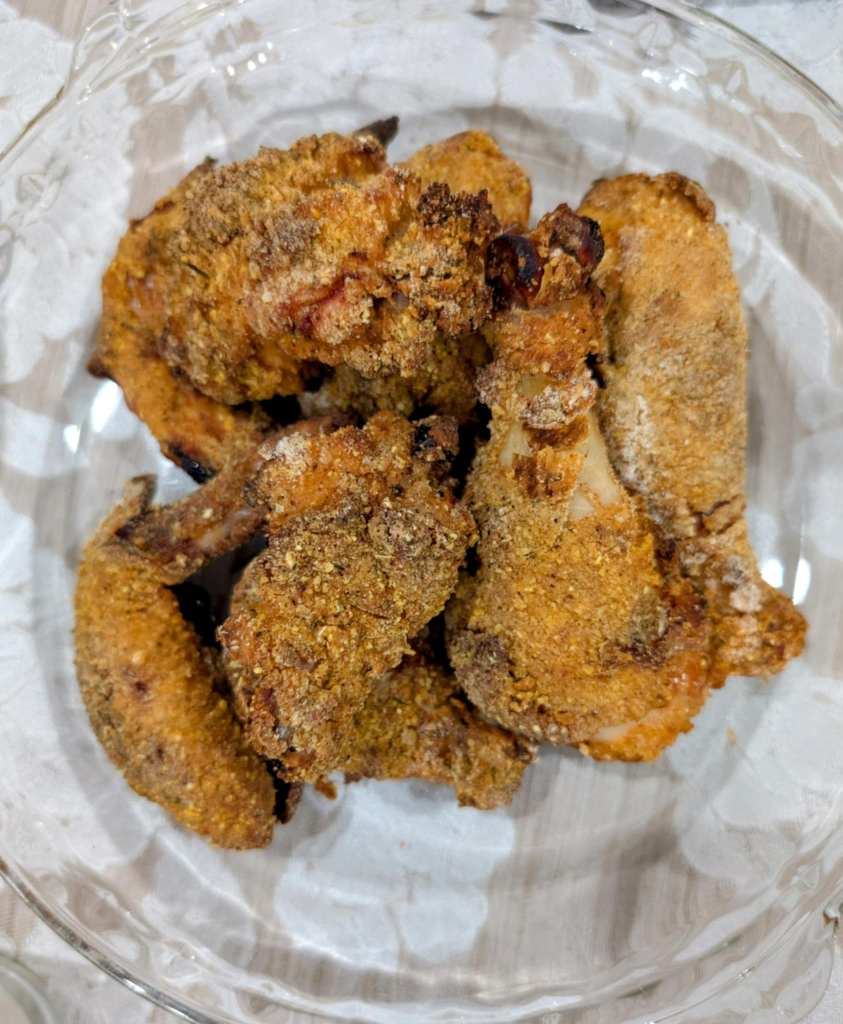
On the second night, I opted for a classic Southern summer meal of American Foods—perfect for picnics, potlucks, or Sunday dinners. We made our chicken stretch two nights in a row with this menu. I carved up a whole chicken and used the breast meat on night one for Chicken à la King. Then, on the second night, I used the remaining parts—wings, legs, and thighs—for our main dish, oven-fried chicken.
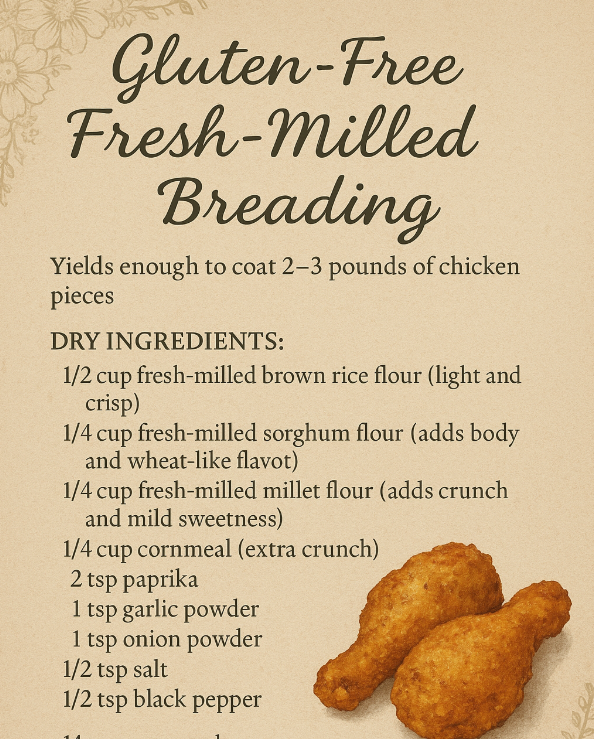
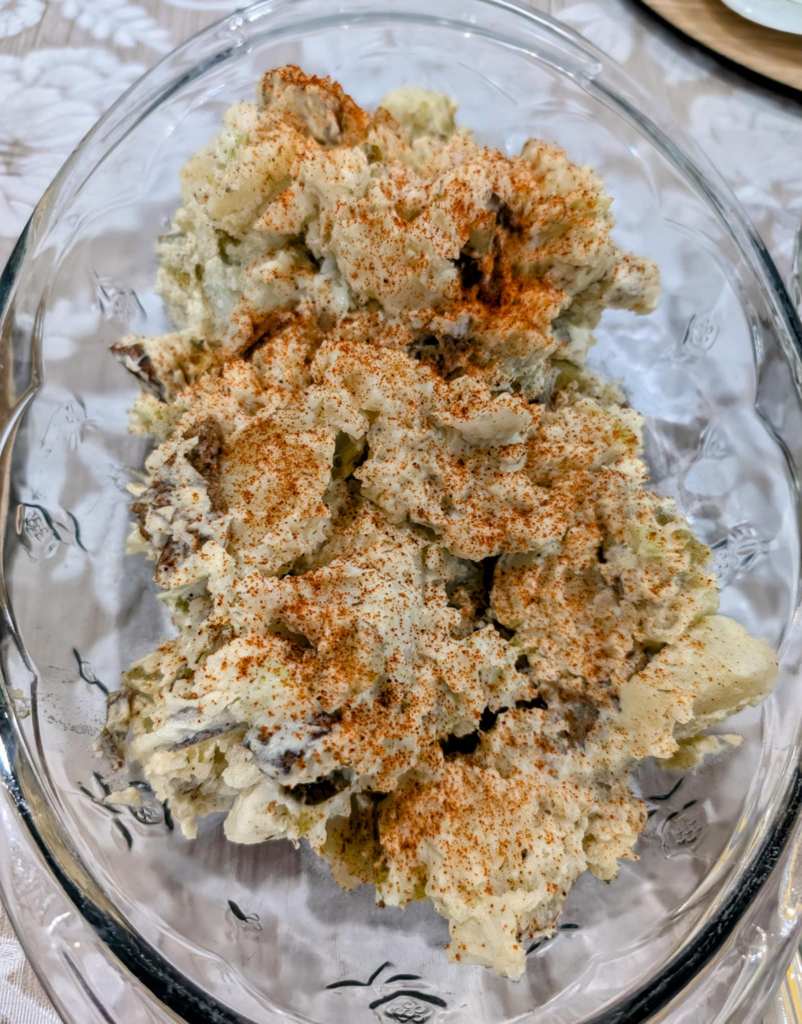
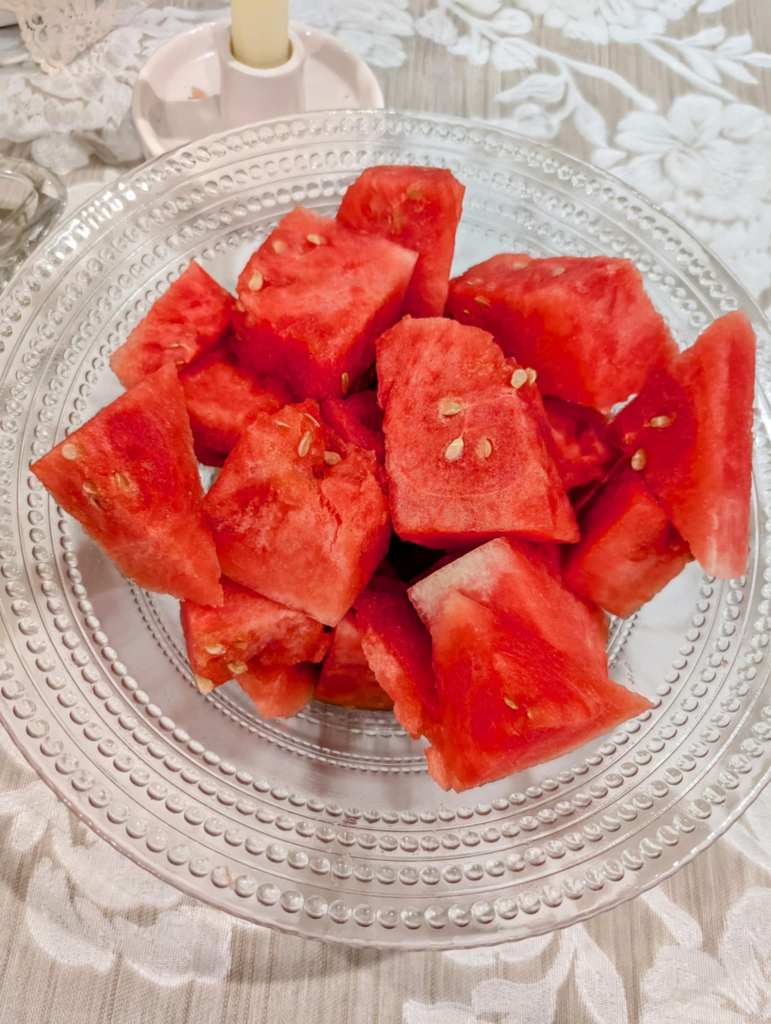
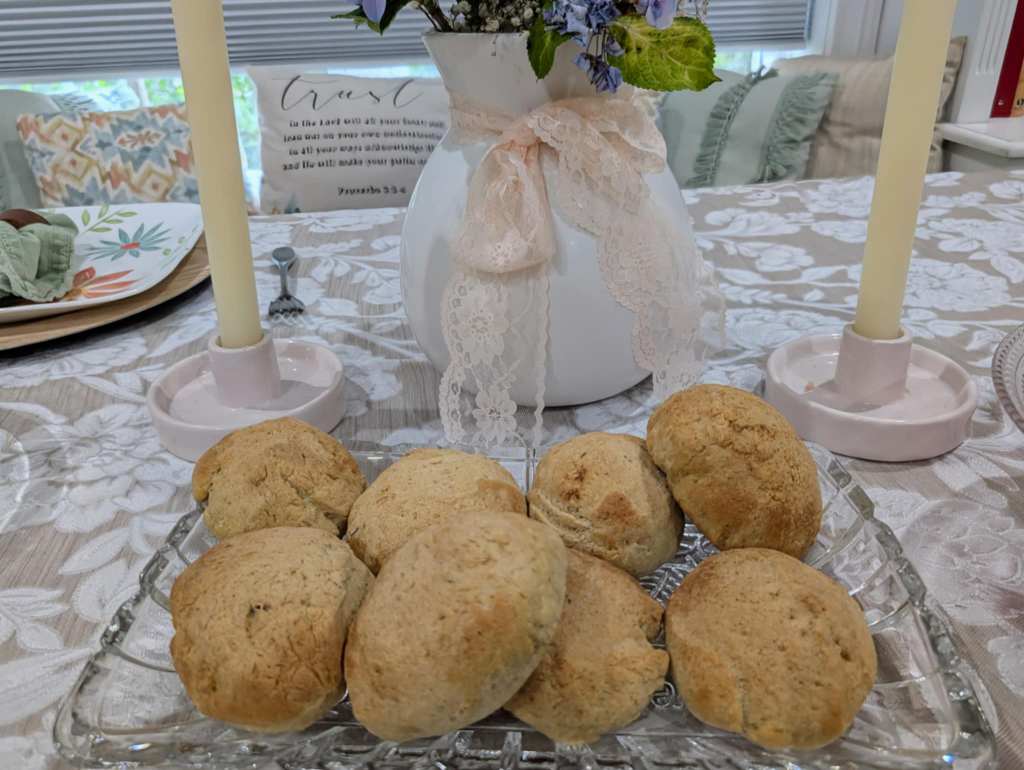
To keep it gluten-free, I created a fresh-milled breading mix and oven-fried the chicken until golden and crisp. We served it with a 1950s-style Southern potato salad, just like Grandma used to make—but with chopped dill pickles, mustard, crunchy celery, and hard-boiled eggs on the side. We also enjoyed juicy, summer watermelon. To round out the meal, I served my go-to millet dinner rolls, and glasses of Farmhouse Teas’ Southern Blend Iced Tea – cold and refreshing!
Gluten-Free Fresh-Milled Breading for Oven-Fried Chicken
Oven-Frying Instructions
- Preheat oven to 425°F (220°C). Line a baking sheet with parchment paper and lightly oil it, or use a wire rack set over a sheet pan for extra crispiness.
- Prep the chicken: Pat chicken pieces dry with paper towels.
- Wet dip: Dip each piece into your choice of wet mixture (beaten eggs, dairy-free milk, or buttermilk alternative).
- Coat in dry breading: Press each piece firmly into the gluten-free fresh-milled breading mixture to ensure the coating sticks well.
- Arrange and bake: Place on the prepared baking sheet or wire rack. Lightly spray or brush the tops with oil. I use an oil mister!
- Bake time:
- Tenders or small cuts: 25–30 minutes
- Bone-in pieces: 40–45 minutes, flipping halfway through for even browning.
Nostalgic 50s-Inspired Kid-Friendly Classic: Tuna Casserole
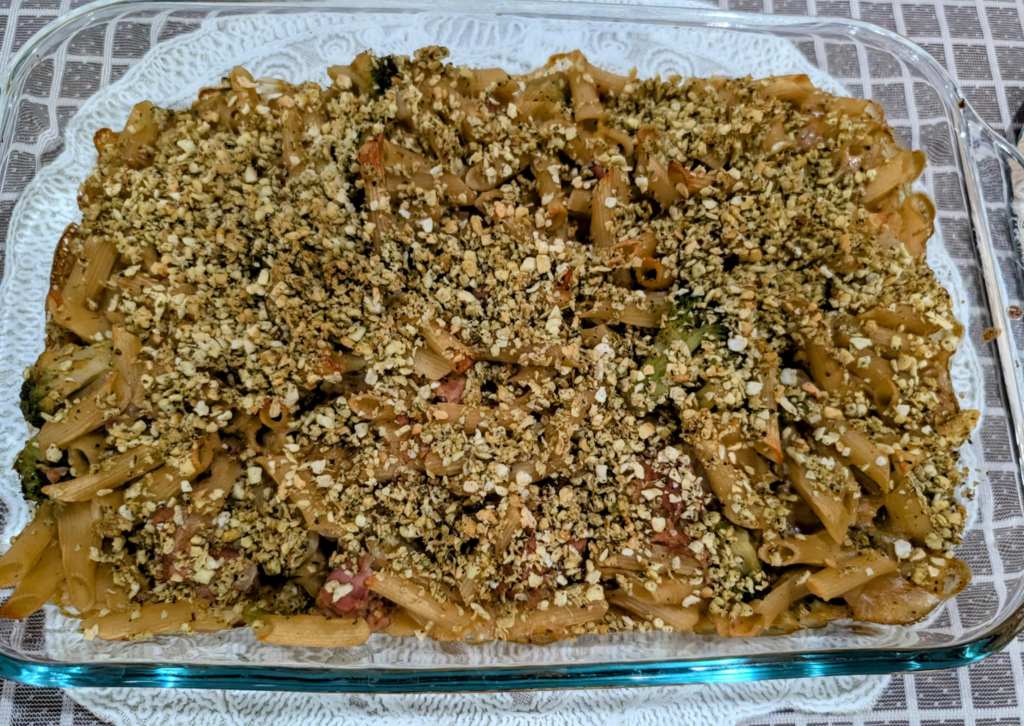
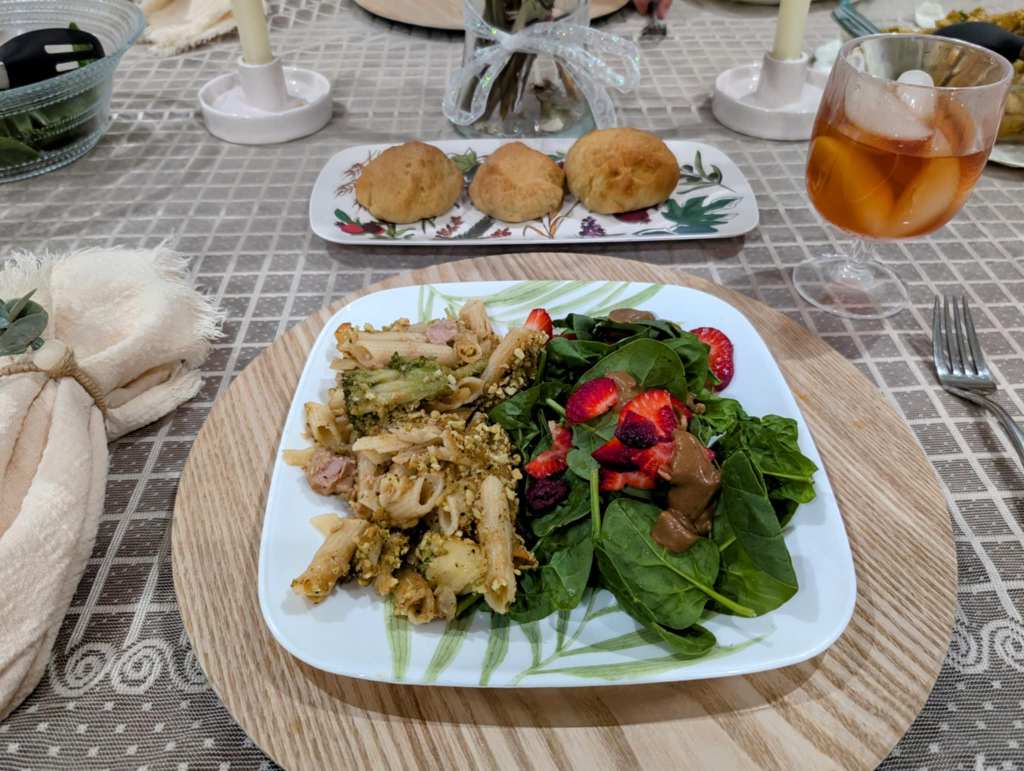
On the third evening of our 1950s-inspired meal series, we brought back a kid-friendly favorite from the era: tuna casserole. While I’ve made the Best Tuna Casserole recipe in the past, this year we needed a gluten-free and dairy-free version. The result? A cleaned-up, wholesome take on the original that was a palate pleaser.
To replace the sharp tang that cheese usually adds, I leaned on smoked paprika and mustard powder for bold, savory flavor. The brown rice flour roux created a lightly creamy texture thanks to the natural starch—no dairy required.
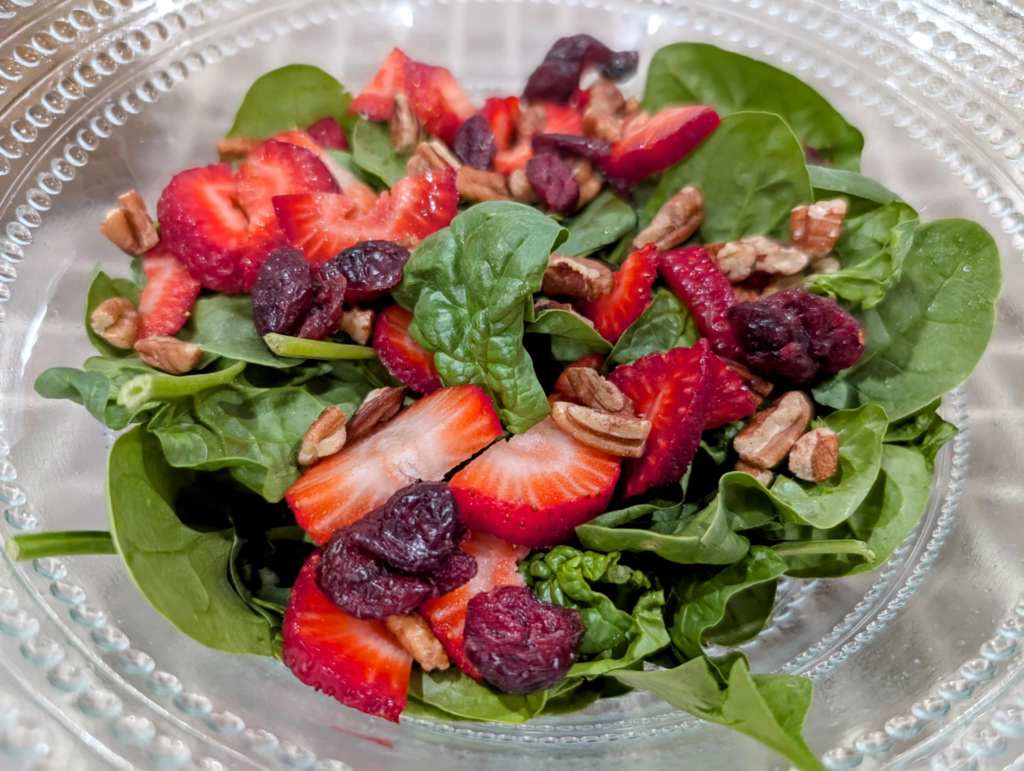
I served it with leftover millet rolls and a refreshing summer salad made of spinach, strawberries, dried cranberries, and pecans—all tossed in a quick homemade balsamic dressing.
If you’re not making your own salad dressing, you’re missing out! It’s as simple as whisking together:
- ¼ cup balsamic vinegar
- ¾ cup olive oil
- ½ tsp each salt and pepper
- 1 Tbsp Dijon mustard
- 1 Tbsp honey
Emulsify well, and that’s it. Barely even a recipe—but always a hit.
Gluten-Free, Dairy-Free Tuna Casserole
A wholesome take on a comforting 1950s classic made with fresh-milled flour and simple, nourishing ingredients.
Ingredients
- 12 oz gluten-free penne pasta
- 2 Tbsp olive oil
- 4 Tbsp fresh-milled brown rice flour
- 2 cups broth (chicken or vegetable)
- ½ onion, diced
- 2 cloves garlic, pressed or minced
- 2 cups broccoli florets (fresh or frozen)
- 2 cans of tuna, drained
- ½ cup gluten-free Panko breadcrumbs
- 1 Tbsp olive oil (for topping)
- ½ tsp mustard powder
- ½ tsp salt
- ½ tsp black pepper
- 1 tsp smoked paprika
Instructions
- Preheat oven to 350°F (175°C).
- Cook pasta in salted water until al dente. Drain and set aside.
- Sauté onion and garlic in olive oil over medium heat until soft and fragrant.
- Make the roux: Stir in brown rice flour and cook for 1–2 minutes. Slowly whisk in the broth until smooth. Add mustard powder, salt, pepper, and smoked paprika. Simmer until thickened.
- Combine the sauce with broccoli, tuna, and cooked pasta until evenly coated.
- Transfer the mixture to a greased 9×13″ baking dish.
- Top with breadcrumbs mixed with 1 Tbsp olive oil.
- Bake for 25–30 minutes, or until golden and bubbly on top.

A Vintage Classic – Beef Stroganoff (with a Twist)
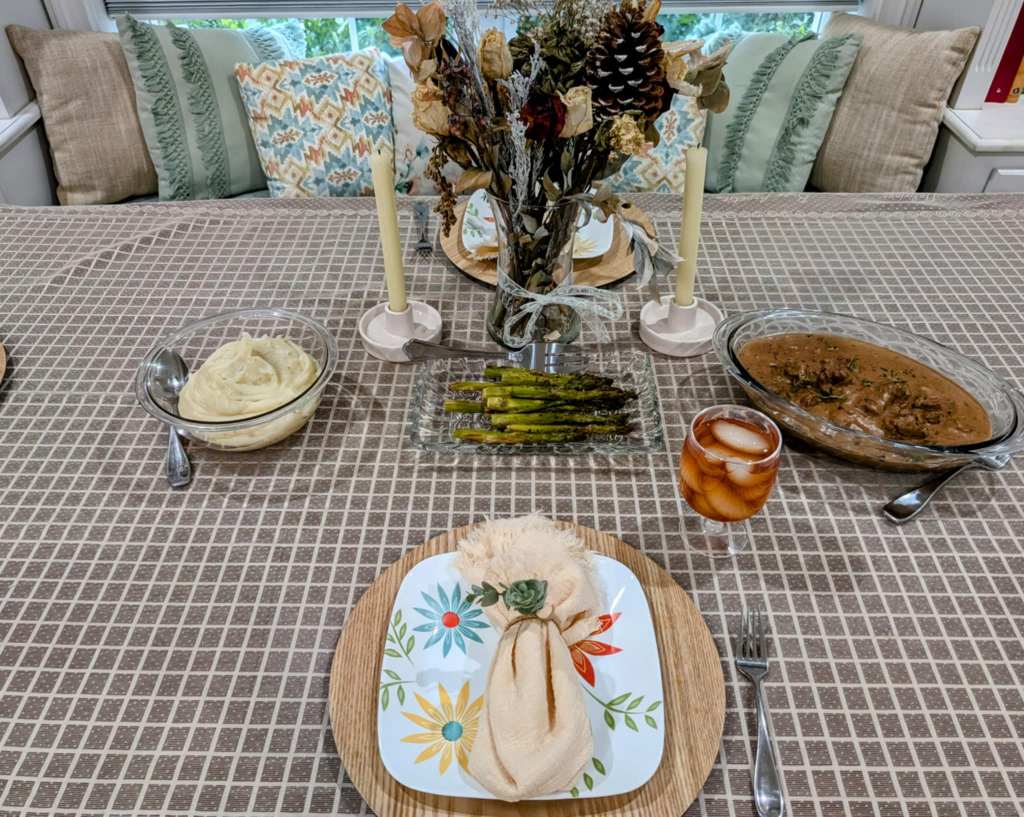
On the fourth evening of our 1950s-inspired meal plan, I made another classic: Beef Stroganoff. While I usually stick to my own simplified version, this time I decided to try a vintage recipe that surprisingly included ketchup—an ingredient I’d never considered using in stroganoff before!
To make the dish work for our family’s needs, I simply swapped out the traditional ingredients for gluten-free and dairy-free alternatives, like sour cream. I followed the recipe through the browning of the meat and onions, then transferred everything to the crockpot for 4 hours on high. This slow-and-low approach allowed the flavors to deepen while giving me more time out of the kitchen.
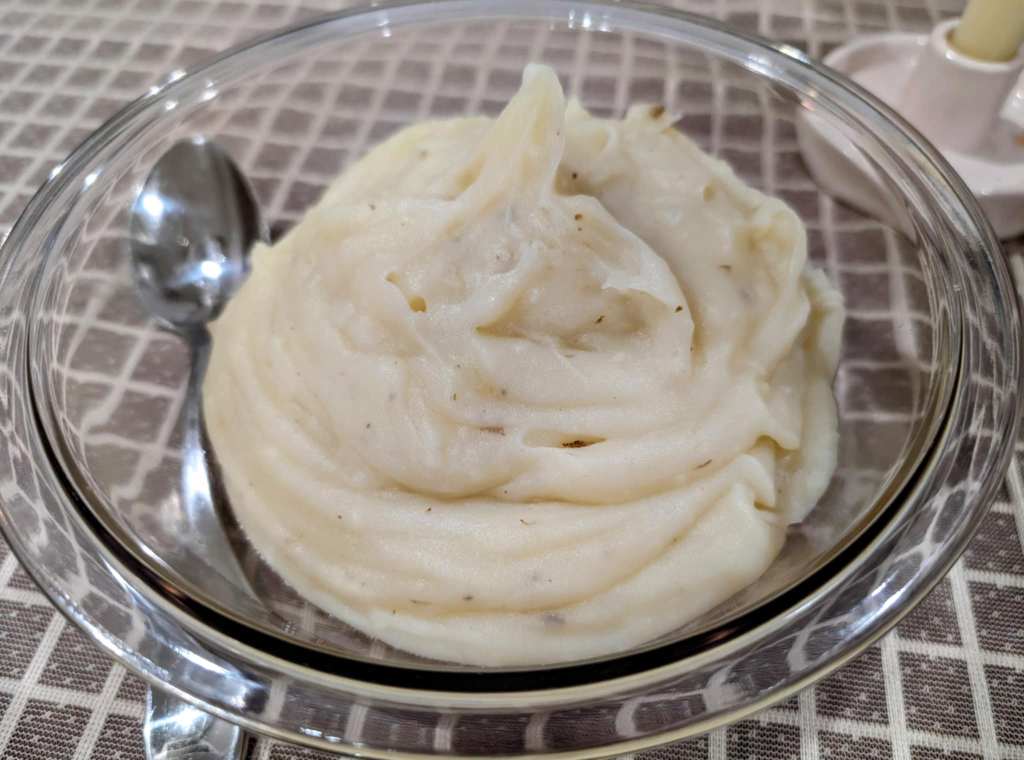
I served the stroganoff over a bed of simple mashed potatoes. And when I say simple, I mean it—I peeled and boiled five potatoes for about 15 minutes, then used my immersion blender to blend in 1 cup of chicken broth. It made a smooth, flavorful base that complemented the rich stroganoff sauce perfectly.
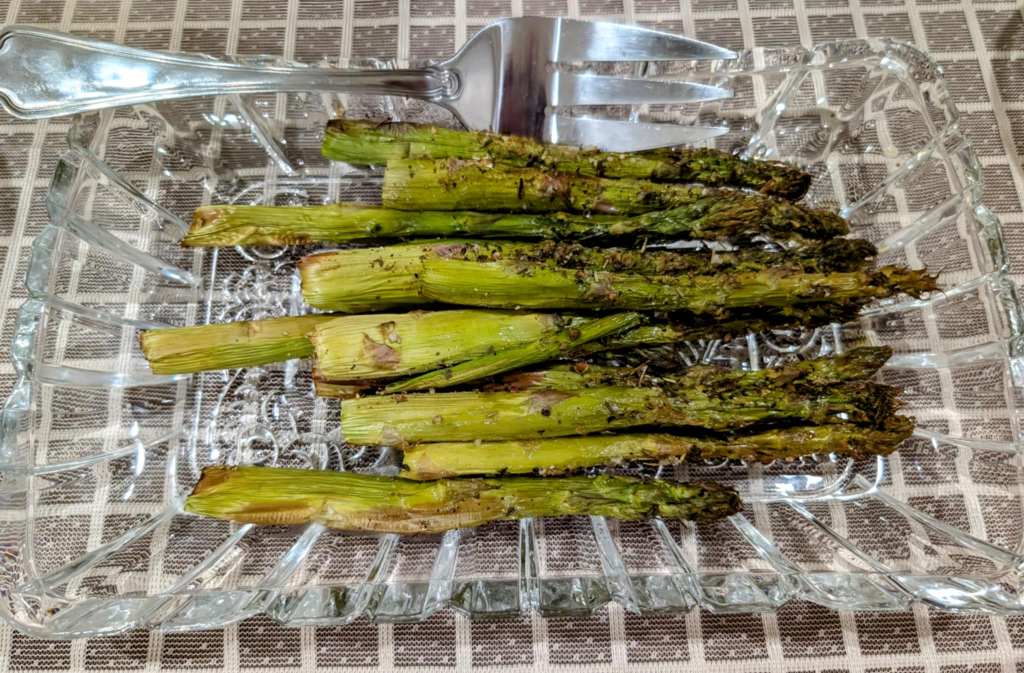
For sides, I added oven-roasted asparagus and glasses of FarmHouse Teas’ Southern Blend Iced Black Tea—a refreshing finish to a nostalgic and hearty meal.

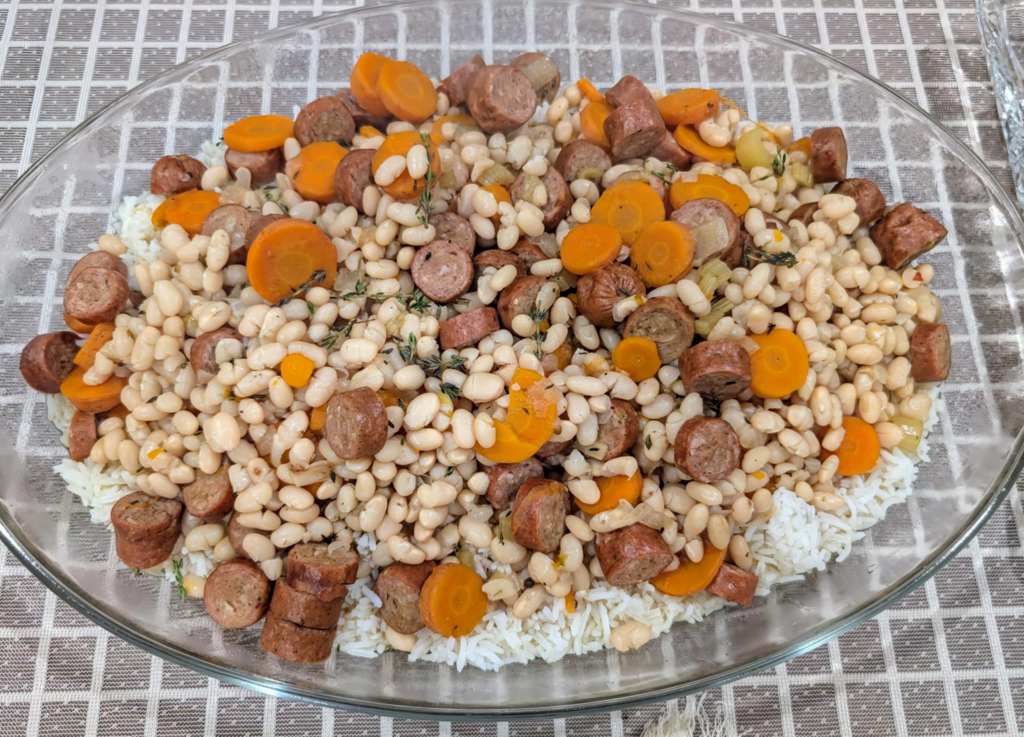
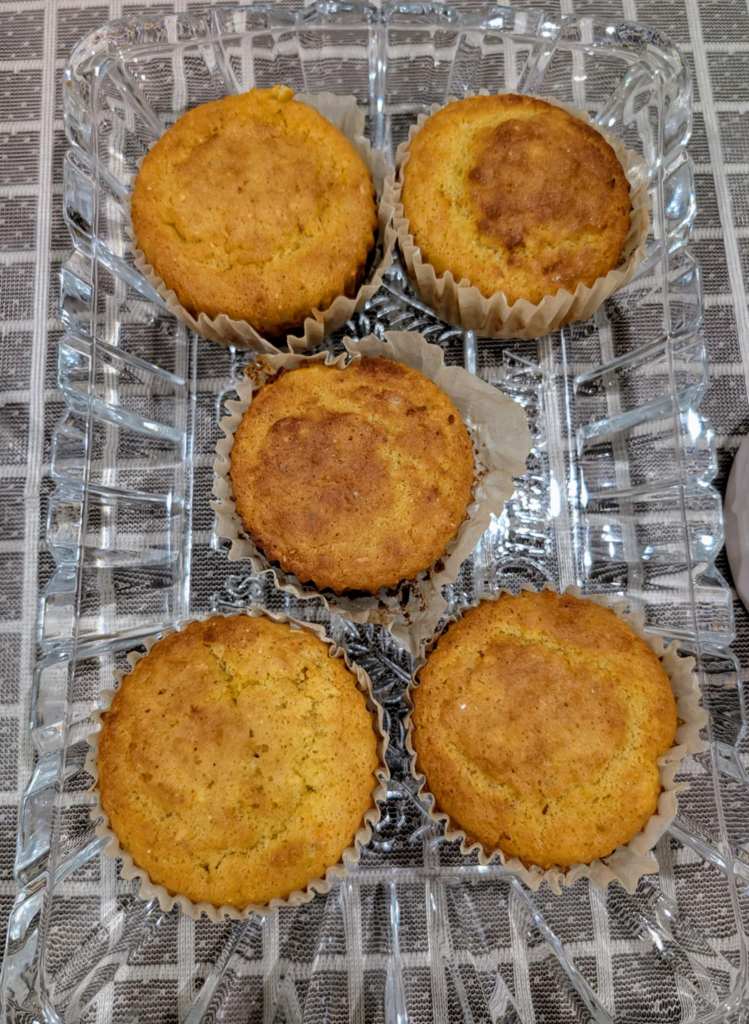
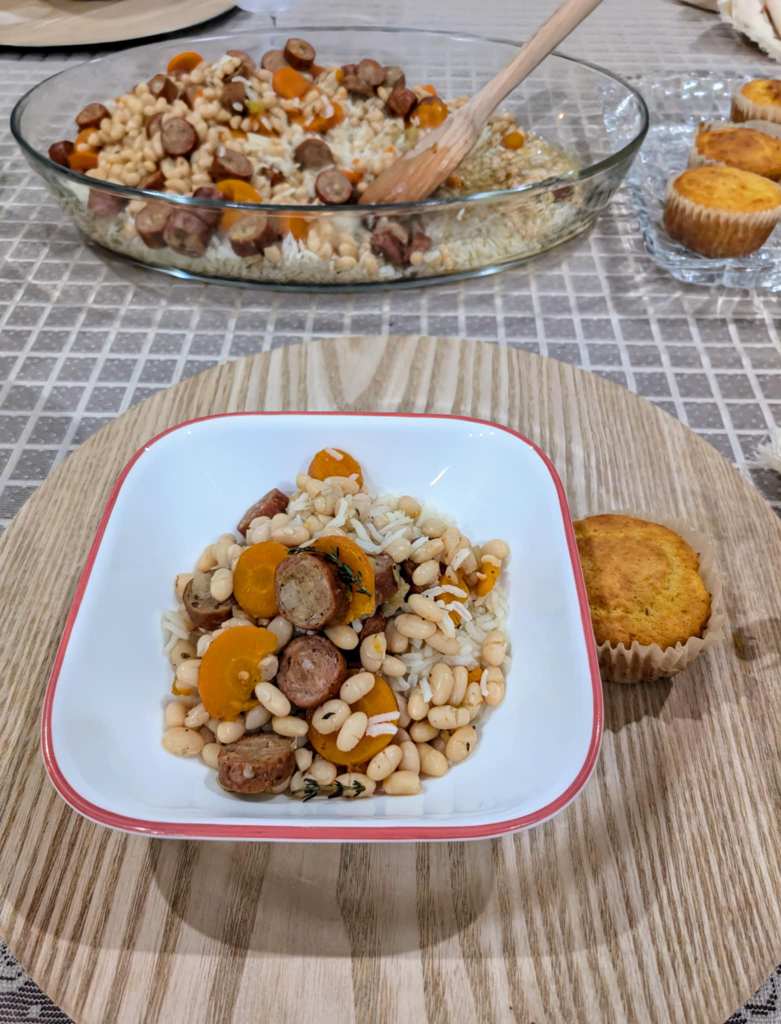
Andouille Sausage, Beans, and Rice with Cornbread Muffins – A Cozy 1950s-Inspired Meal
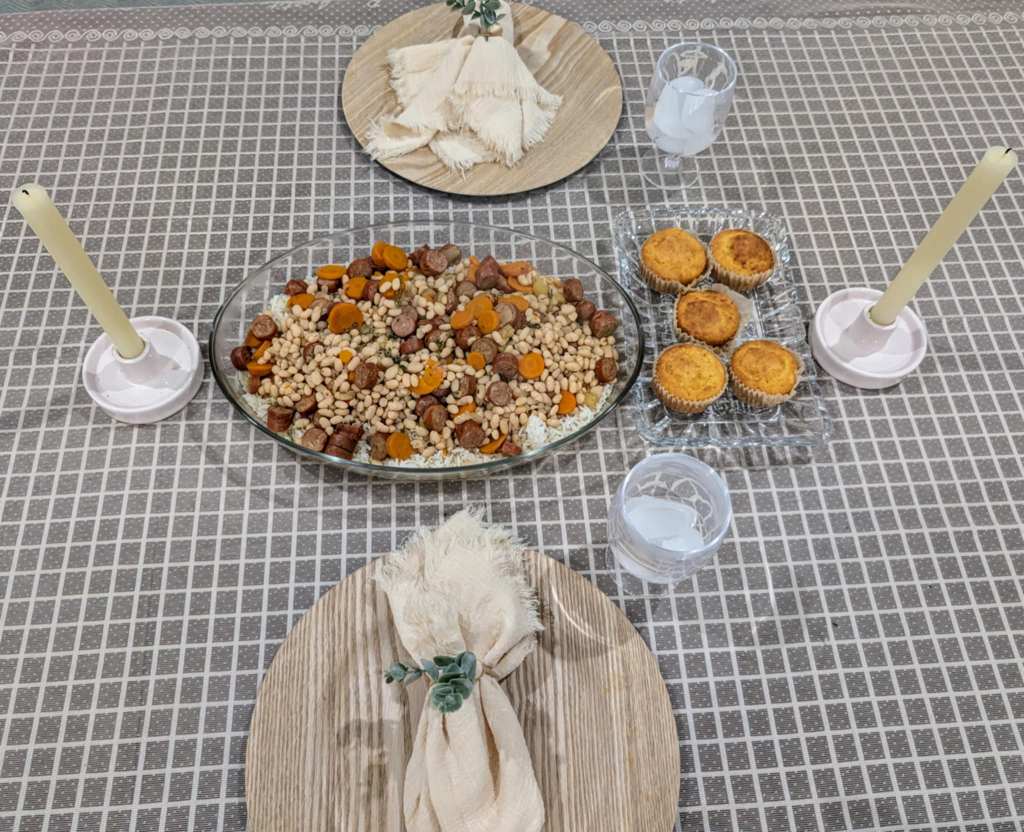
On the fifth evening of our meal series, we dug into a comforting, retro-inspired classic: a hearty pot of beans with rice and cornbread muffins—just like something you’d find simmering on a 1950s stovetop.
I started the night before by soaking 2 cups of navy beans overnight. The next day, I cooked them in 8 cups of broth with 1 diced onion, 2 cloves of minced garlic, 2 carrots (diced), and my go-to base seasoning:
- ½ teaspoon salt
- ½ teaspoon pepper
- 2 pinches of red pepper flakes
- 1 tablespoon Azure Italian seasoning
Meanwhile, I sautéed 1 pound of Amy Lu’s chicken andouille sausage along with the onions and garlic. Once everything was nice and caramelized, I deglazed the pan with broth, scraping up all those delicious browned bits before adding in the beans and carrots.
Using my Pampered Chef Quick Cooker, I set it to the “beans” setting and let everything pressure cook for about 40 minutes, until the beans were tender and full of flavor. To serve, I ladled the beans and sausage over a bed of steamed white rice—comfort food at its finest.
On the side, we enjoyed gluten-free cornbread muffins, made easy and delicious with a tried-and-true recipe from Meaningful Eats. I already had them on hand in the freezer, so it was a simple reheat for the perfect complement to the smoky dish.
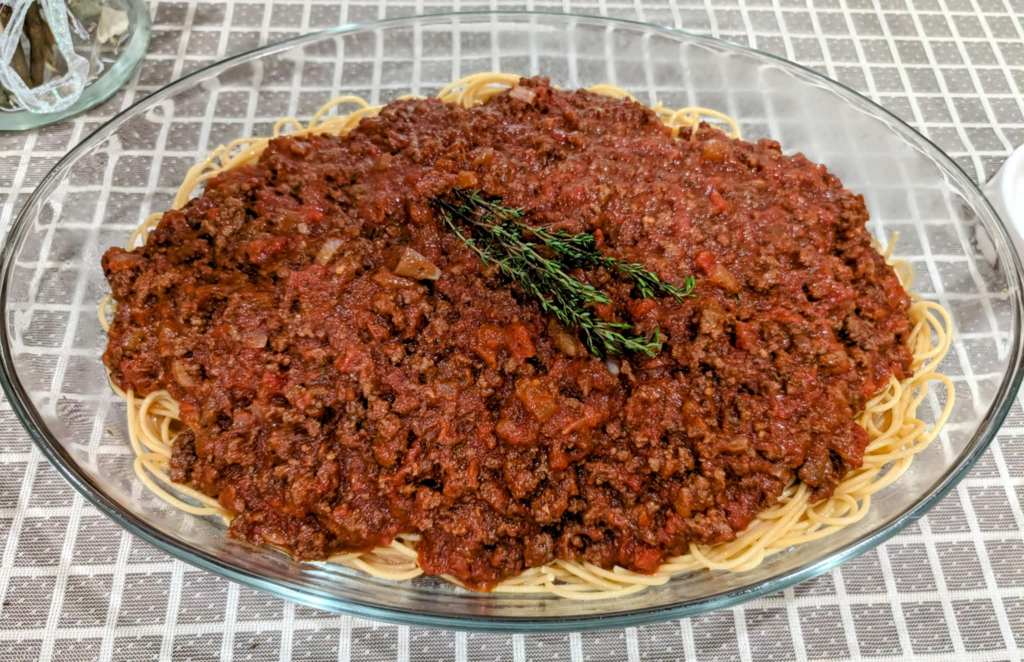
Spaghetti with Red Wine Marinara – A Vintage-Inspired Italian Night
A Taste of Italy—1950s California Style + A War-Era Dessert Surprise
On the sixth night of our meal series, we took a culinary trip to Italy—by way of 1950s California! I followed a charming vintage recipe from 1950s California Spaghetti Sauce | Vintage Family Dinner, and the results were absolutely delicious. The rich, red wine-infused meat tomato sauce was served over a bed of gluten-free spaghetti noodles, which held the savory sauce beautifully.
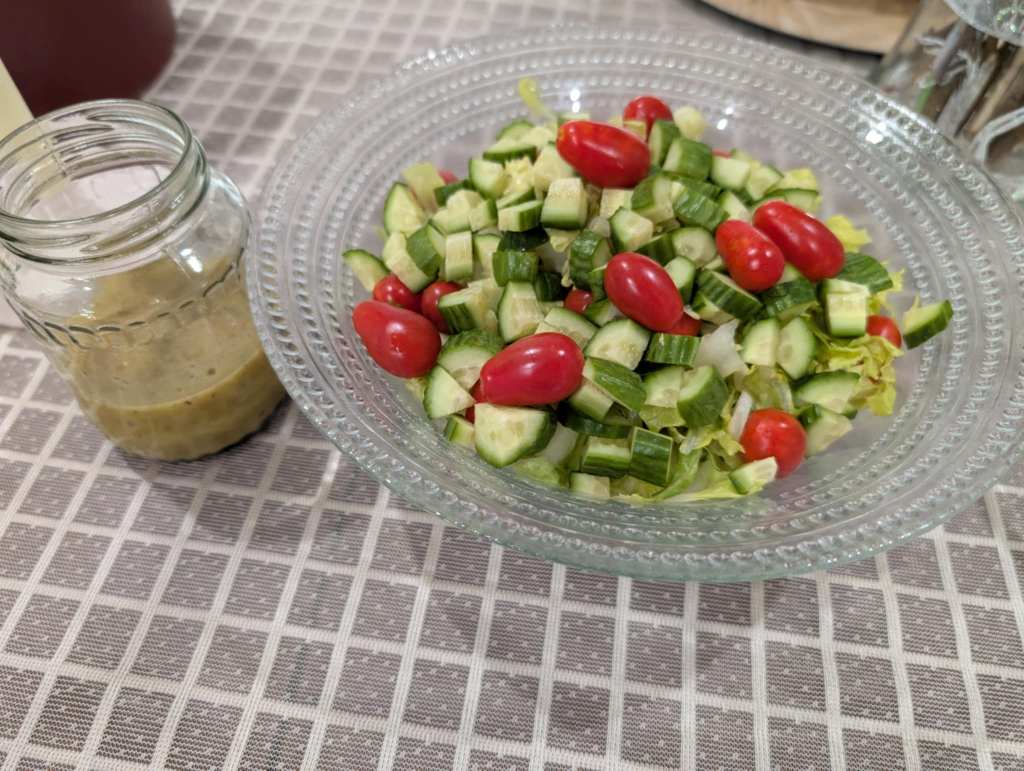
To round out the meal, I served a simple garden salad made with chopped romaine, diced cucumbers, and cherry tomatoes fresh from our garden. For the dressing, I whisked together a quick homemade red wine vinaigrette—bright, tangy, and the perfect complement to the fresh veggies.
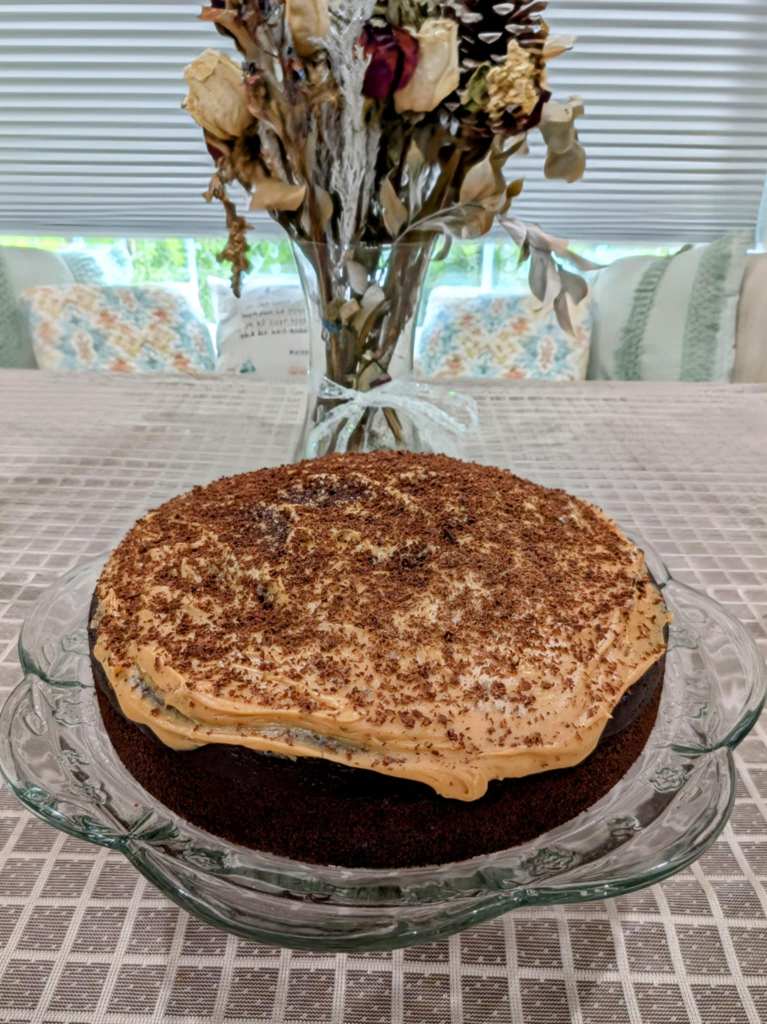
And for dessert? A delightful nod to history: War-Era Peanut Butter Chocolate Cake (Made with Mayonnaise!). Don’t let the ingredients fool you—this cake is rich, moist, and surprisingly decadent. I made it gluten-free and dairy-free using simple substitutions:
- Bob’s Red Mill 1:1 Gluten-Free Flour (You can get this on Amazon, Azure Standard, or Thrive Market. The best price per ounce on the 44 oz bag is with Thrive Market. Azure is cheaper for larger quantities).
- Unsweetened almond milk in place of dairy
I also ensured that I baked it in a non-toxic cake pan free from PFOAs, BPA, and other toxic metals. That’s something moms of the ’50s didn’t quite have to worry about yet.
Homemade Red Wine Vinaigrette:
- ¼ cup red wine vinegar
- ¾ cup olive oil
- ½ tsp salt
- ½ tsp pepper
- 1 Tbsp Dijon mustard
- 1 Tbsp honey
Just emulsify and pour over your greens for a fresh, tangy finishing touch. This meal was both comforting and elegant—proof that vintage recipes and a little love in the kitchen never go out of style.
A Southern-Inspired Fish Fry – Smoked Paprika Grits, Fried Flounder & Collard Greens
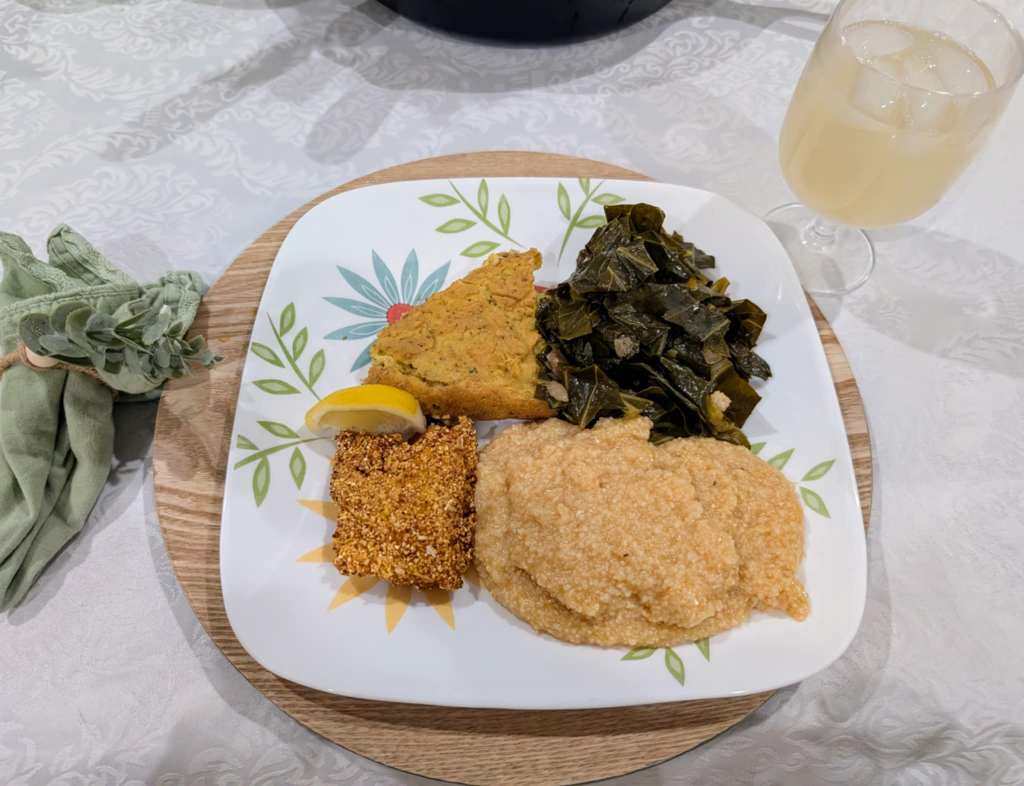
On the seventh night, we went full Southern with a fish fry straight out of a 1950s diner or church fundraiser. Crispy fried flounder, smoky dairy-free grits, and slow-cooked collard greens—summer comfort food at its finest.
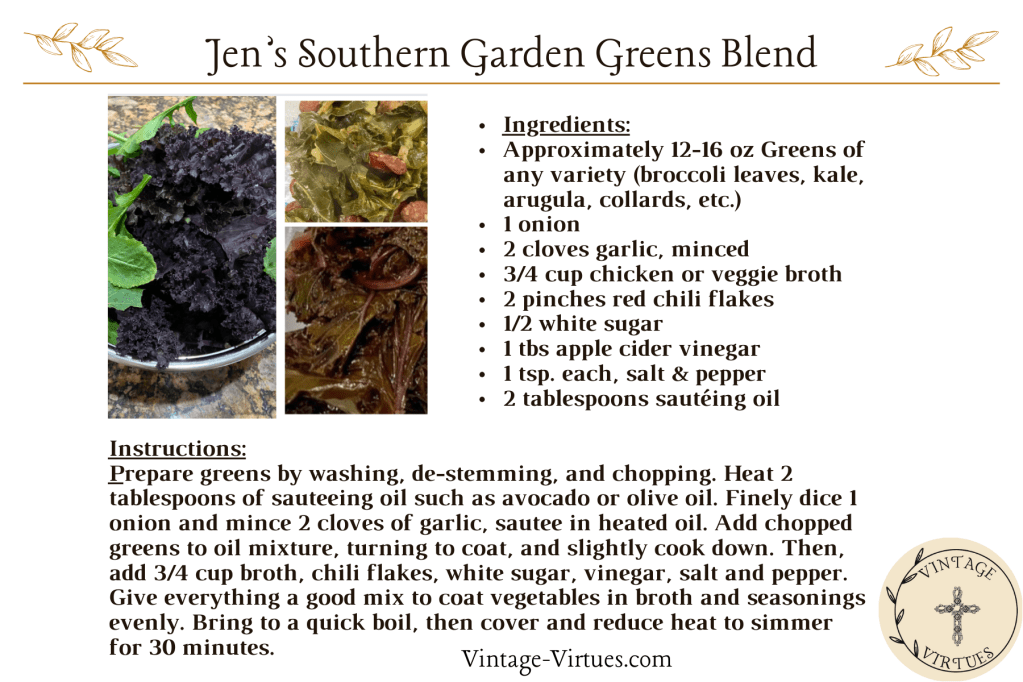
Thanks to the season’s bounty, I was able to find fresh collard greens, and I used my go-to Southern Greens recipe. A quick note: the recipe card has a small omission—the sugar should be measured at ½ tablespoon, and I prefer to use raw cane sugar.
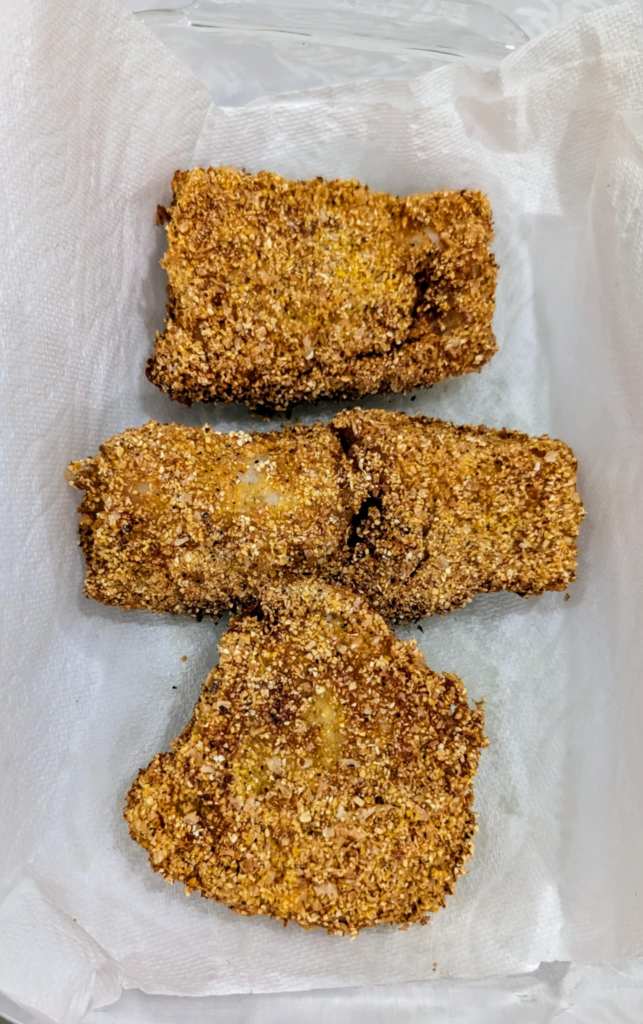
For the main course, I fried up flounder fillets using my classic Southern breading method. (You’ll find the recipe card for that below—it’s a crispy, golden favorite in our house.) Serve with lemon wedges!
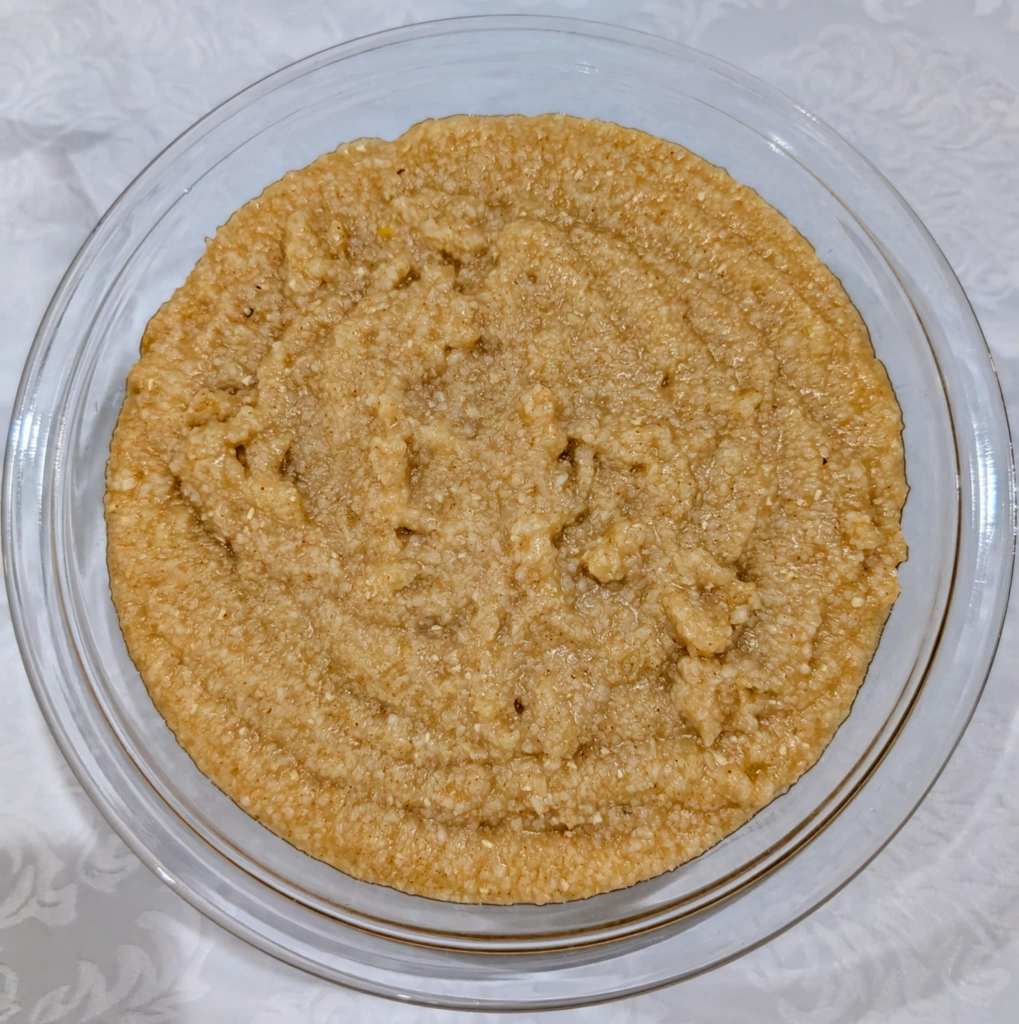
And what’s the perfect partner for fried fish? Grits, of course! But this time, I gave them a little twist with a dairy-free makeover that still delivered all the bold, cheesy flavor you’d expect—something like smoked gouda grits, but totally plant-based. My husband couldn’t stop raving about them!
Smoked-Paprika “Cheesy” Grits (Dairy-Free)
- 6 cups vegetable stock
- 1½ cups grits
- ½ tsp salt
- Bring the water and salt to a rolling boil, then stir in the grits.
- Cook for 10 minutes, stirring frequently to avoid clumping.
Once the grits were cooked, I added:
- ¼ tsp dry mustard powder (for a tangy bite)
- 1 Tbsp smoked paprika (for that deep, bold, smoky flavor)
- 1 Tbsp nutritional yeast (for a cheesy, umami-rich boost and a hit of B vitamins. (You can get this on Amazon, Azure Standard, or Thrive Market Brand. The best price is on Azure!)
- Then I thinned and finished the grits with ½ cup unsweetened almond milk for added creaminess.
The result? Creamy, smoky, and deeply satisfying grits that paired beautifully with the crispy fish and greens. This meal felt like something pulled from a warm Southern memory—simple, soulful, and made with love.

A Healthier Take on a 1950s Classic: Real-Food “Jell-O” Molds
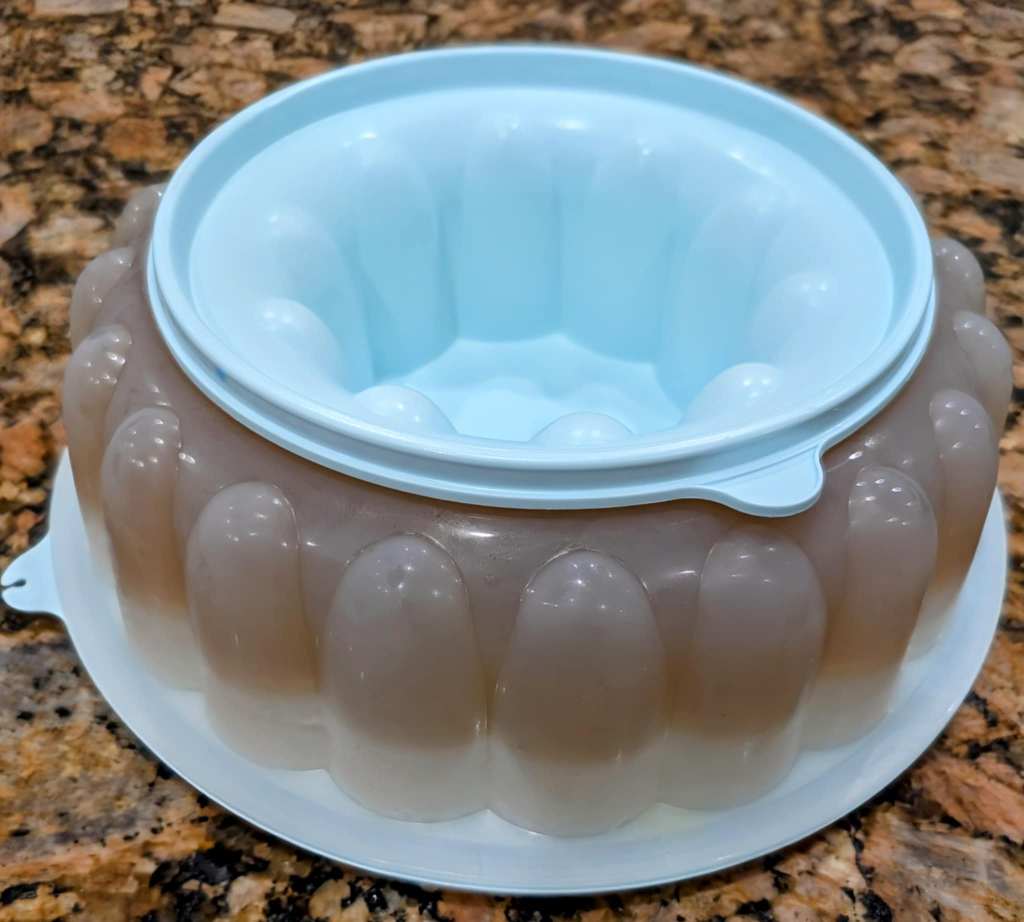
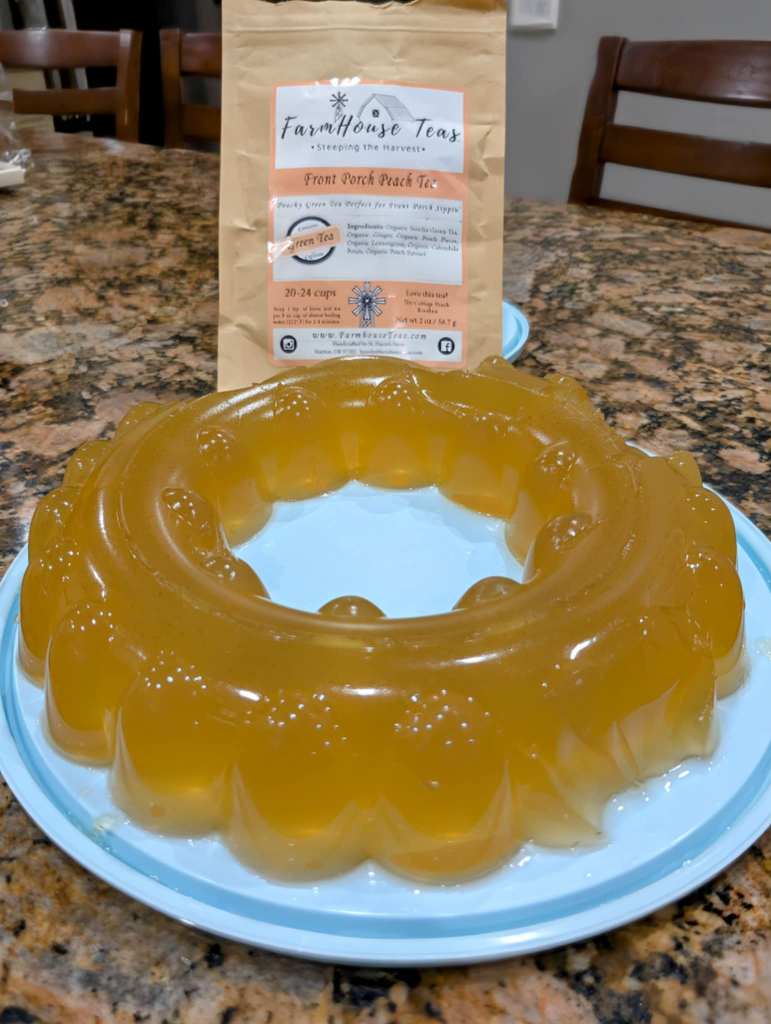
This week, I also made these iconic Jell-O molds—a staple of 1950s-era potlucks and dinner tables. They make for great, healthy snacks and simple desserts throughout the week. With our pantry now free of artificial dyes and heavily processed ingredients, the boxed version no longer fits the bill. So I gave this classic a real-food makeover using just two simple ingredients:
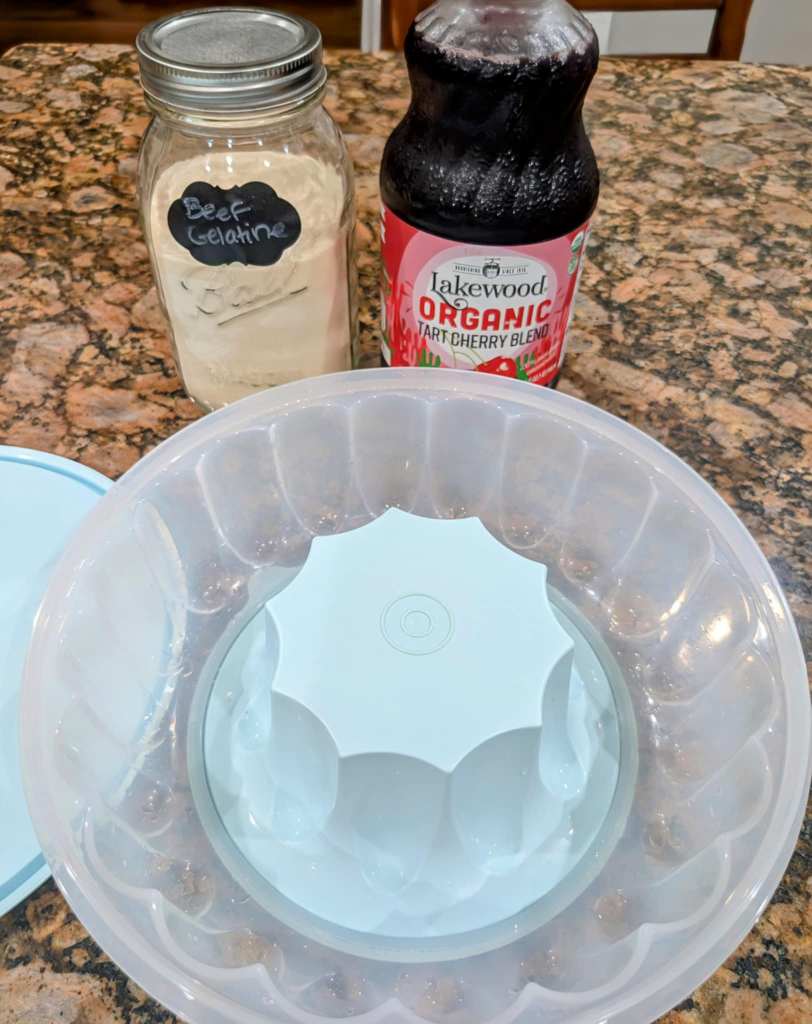
- 4 cups of your favorite liquid
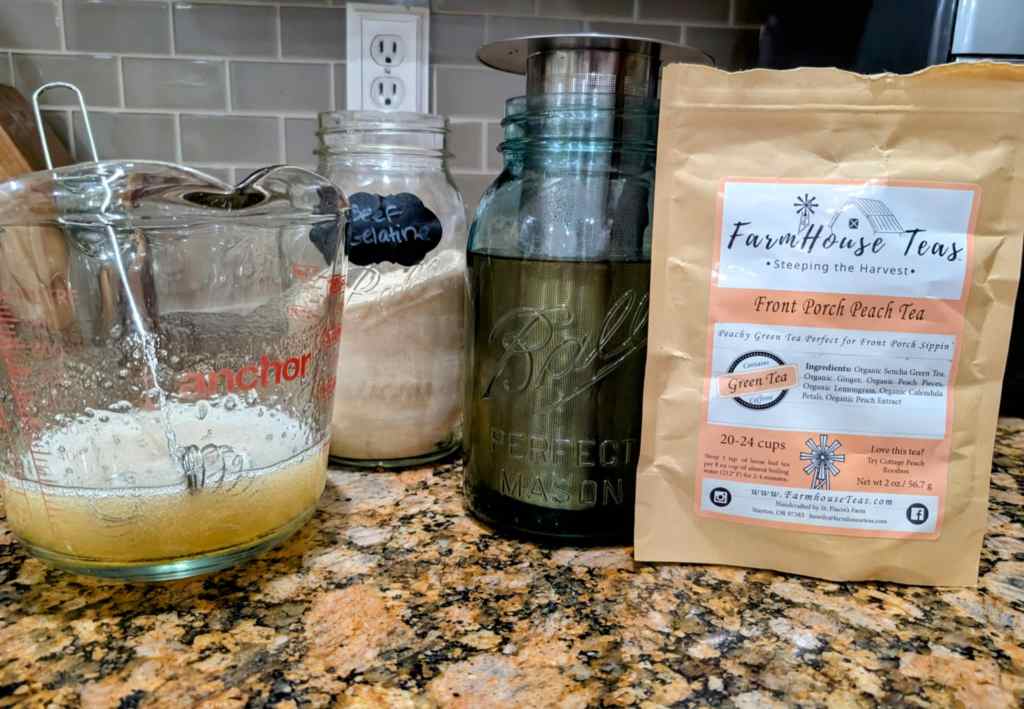
- 4 tablespoons of beef gelatin (I get this from Azure Standard)
To make it:
- In a small bowl, combine the gelatin with 1 cup of cold liquid and let it bloom for about 5 minutes.
- While it blooms, heat the remaining 3 cups of liquid until steaming but not boiling.
- Stir the bloomed gelatin into the hot liquid until fully dissolved.
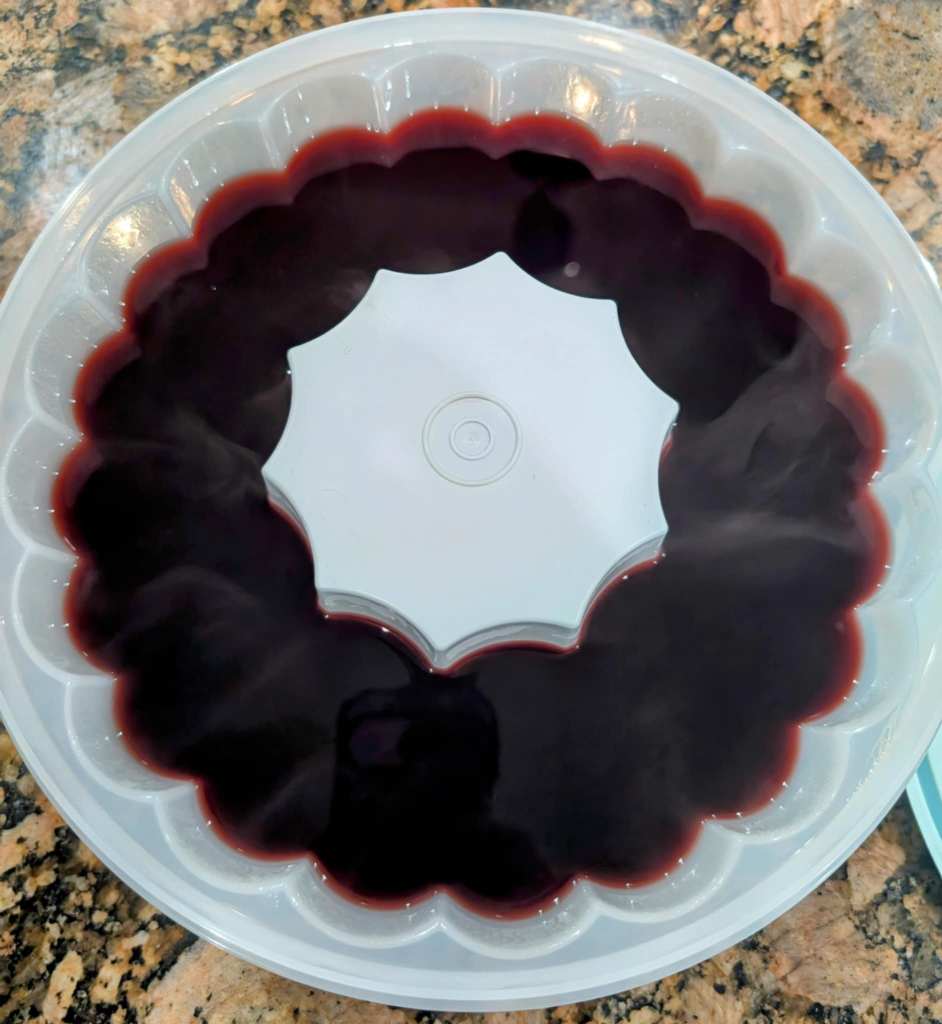
- Pour into your favorite gelatin mold or an 8×8 glass dish, and refrigerate until set, about 2-4 hours.
Not only is this version easy to make—it’s also nourishing and makes for a great snack, or healthy dessert. Beef gelatin is completely unflavored and naturally rich in proteins and amino acids that support gut, skin, and joint health.
For this batch, I made two flavors:
- 🍑 Front Porch Peach Green Tea from Farmhouse Teas, naturally sweetened with honey
- 🍒 Organic tart cherry juice from Azure Standard, for a bright, tangy flavor and an antioxidant boost
Both versions turned out beautifully—the perfect mix of vintage charm and modern wellness.
Concluding Thoughts: How a Little Extra Effort Transformed Our Family Meals
The most challenging part of giving these 1950s recipes a healthy makeover was working around the dairy, sugar, and artificial ingredients. In the post-Depression era, families finally had a bit more financial freedom. That meant richer meals—with butter, milk, and white flour showing up in just about everything. As we moved into the 1960s, food marketing and convenience products took over, and so did additives and artificial flavors.
My goal with this little project was to strip away the excess and bring things back to real food—simple, nourishing ingredients that still honor the era. I swapped in fresh-milled gluten-free flours (which we use for our family’s needs), used dairy-free alternatives, and tried to keep things wholesome without compromising flavor. And while I don’t believe gluten and dairy are a problem for everyone, they’re changes that work well for us.
Usually, we’re pretty casual with dinner—plates loaded right from the stove, eaten at the kitchen island. But this time, I took a little extra care: I transferred everything into serving dishes, set the farmhouse table, and added thoughtful touches like fresh herbs, lemon wedges, colorful veggies, and homemade breads and desserts.
That small shift made a big difference. My husband and kids enjoyed the change of pace. We slowed down. We talked more. Everyone lingered a little longer at the table. Sure, it meant a few extra dishes—but it was absolutely worth it.
Affiliate Disclosure: This post may contain affiliate links. You can read the full disclosure here. We may make a small commission from purchases made through these links, which helps offset the cost of operating this blog. Your support is much appreciated!

 Vintage Virtues
Leave a comment