

About the Author
Dale Partridge is Pastor of King’s Way Bible Church, author of several books, and President of Reformation Seminary and Relearn.org. The book is forwarded by Joel Webbon, Pastor of Covenant Bible Church and Founder of Right Response Ministries.
I must acknowledge personal concerns with some recent statements made by Right Response Ministries, particularly around antisemitism and what I perceive as imbalanced views on biblical womanhood. These broader theological stances somewhat colored my reading experience, especially when they seemed to interlace the book’s messaging.
Synopsis
In the book, A Cover for Glory: A Biblical defense for Headcoverings, the author Dale Partridge builds a case for the biblical and historical practice of women wearing headcoverings during worship, based on a verse-by-verse exposition of 1 Corinthians 11:2–16. Partridge argues from several angles: biblical authority, creation order, church history, spiritual symbolism, and the doctrine of headship. The book also includes frequently asked questions, historical timelines, diagrams, and a bibliography for further study.
Key Points
Partridge’s main point is that headcovering is a relevant command, rooted in creation and headship, not just a Corinthian custom. He presents a case that, for nearly 1900 years, headcovering was normative among Christian women.
He also argues that symbols, like headcoverings, help finite humans grasp divine truths—something that resonated with me. This same principle is why I personally find power and beauty in observing biblical Sabbaths and feasts, even though Right Response Ministries outright discourages practices such as participating in a Passover Seder. None of these symbolic acts—including headcovering—are salvific. Rather, they are responses of obedience and reverence.
Strengths
- Clarity & Accessibility: At just 166 pages, the book is easy to digest, even for readers new to theological works. It manages to stay accessible without being overly simplistic.
- Exegetical Depth: For those who appreciate a Reformed or expositional approach, the book provides a clear, systematic unpacking of the passage.
- Practical Tools: The included FAQs, block diagrams, and references make this not just a theological read but a practical one.
Weaknesses
- Reformed Lens: It’s not that I have a major issue with the reformed perspective. But at times, the inherent theological bias seems to cloud the clarity of the biblical text.
- Blended Authority: There’s a noticeable tendency to blend Scripture with personal conviction or theological interpretation without always clearly distinguishing between the two. For instance, the claim that an unmarried woman is under the authority of her brothers, church elders, or even an adult son extends well beyond the biblical text. This raises practical concerns—would a widow, for example, be expected to cover her head out of submission to her 18-year-old son? If so, the focus shifts away from Paul’s stated reasons—”because of the angels” and for the glory of the Lord—and becomes more about human authority structures.
- Selective Emphasis: The book strongly emphasizes the need to return to headcoverings as a mark of biblical obedience, but doesn’t seem to extend that same zeal to other biblical practices like clean eating, Sabbath-keeping, or the biblical feasts—even though these were clearly part of Paul and Jesus’ lives (cf. Acts 20:6, 20:16).
- Theological Overreach: Partridge calls the church the “new and better Eve,” but offers little biblical support for this metaphor. Statements like this feel like theological overreach, drifting from sola scriptura into speculative territory.
- Redundancy: The latter half of the book becomes repetitive in parts, particularly in the appeals to symbolism and authority.
- Chapter 4 Misalignment: “Building Confidence with Context” felt more like a plug for another book than an essential component of this work.
Personal Reflection
One line I appreciated was:
“If headcoverings are not binding for today, then those who commit themselves to this practice are not in sin but merely honoring their own conscience.”
This reflects my broader approach to biblical obedience—whether it’s clean eating, Sabbath rest, or headcovering. We may not all arrive at the same conclusions, but when something is pursued in faith and humility to honor the Lord, it should not be condemned. It leaves me asking: how do we determine which biblical commands to uphold and which to set aside?
While this book didn’t necessarily deepen my conviction around headcovering, it did lead me to reflect more intentionally on headship and spiritual symbolism. The phrase “because of the angels” took on new weight. It reminded me of how the prophets describe Israel’s “glory” being cast from heaven, prompting me to consider how our obedience on earth may carry unseen, heavenly consequences.
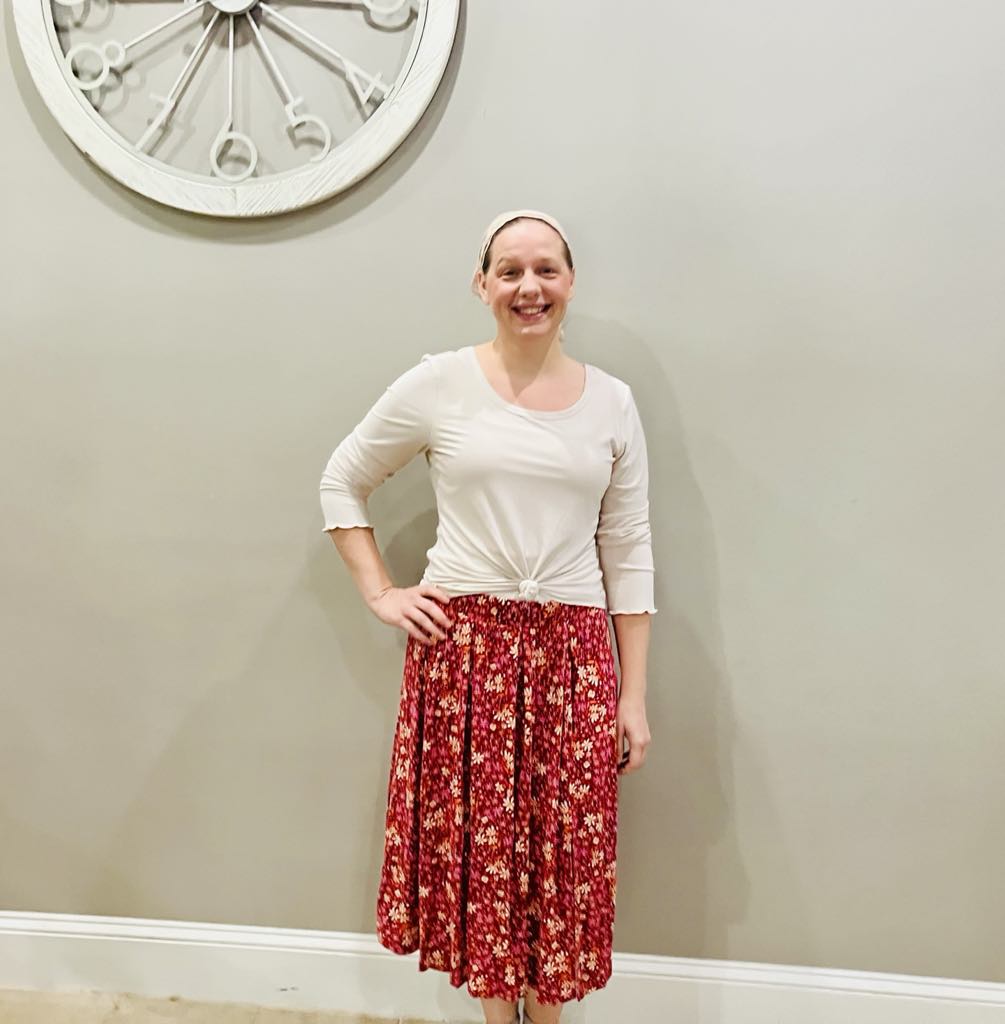
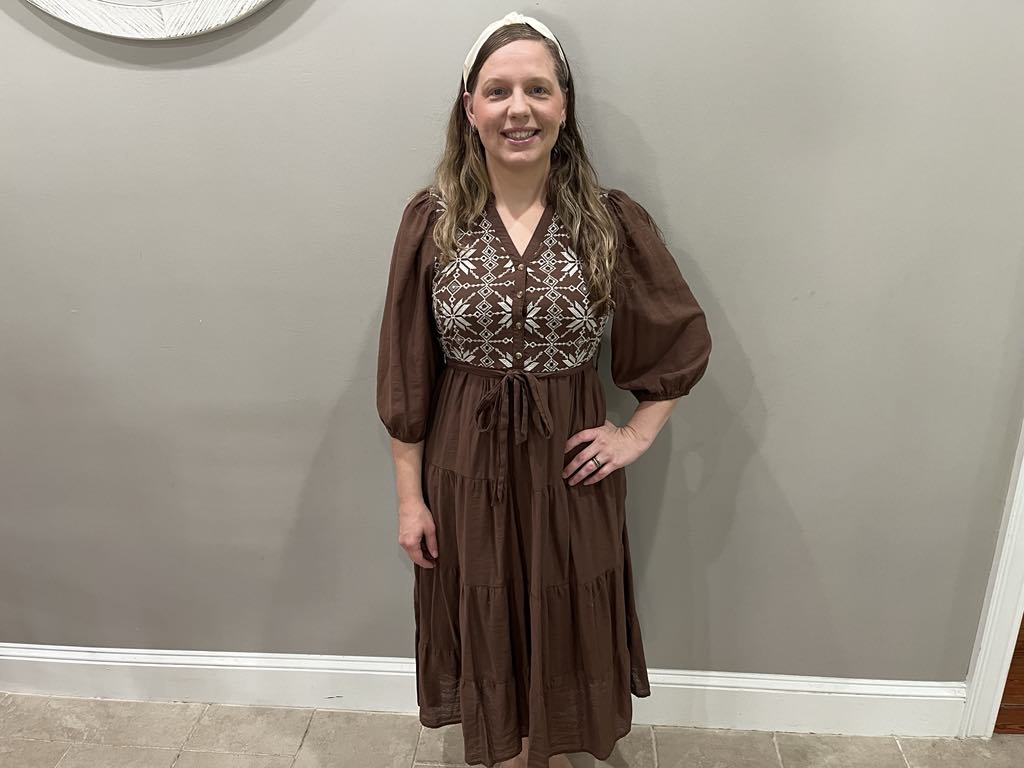
On a practical level, I’ve spent the past year occasionally covering my head during church or Sabbath gatherings, usually with a wide headband. I also wore a covering while traveling in Turkey. Though I haven’t been fully consistent, I’ve sensed a quiet prompting from both Scripture and the Holy Spirit to continue exploring this practice.
One recent moment brought unexpected clarity: during a Christian worship session, I noticed that nearly every man had his head covered—ball caps and cowboy hats—while all the women remained uncovered. For the first time, the scriptural reversal stood out so plainly. It felt like something was out of order.



Final Thoughts & Recommendation
I recommend A Cover for Glory as a helpful springboard on the topic of headcovering. It’s a good resource for those curious about the historical and scriptural case. However, readers should be aware of the author’s strong Reformed leanings and be discerning—especially when the book begins to build a broader theological framework that extends beyond its stated scope.
For a well-rounded exploration, I also suggest pairing this book with:
- Mike Winger’s in-depth YouTube series on headcovering and gender roles.
- The Head Covering Movement website, which provides testimonies, articles, and community support.
- Your own Bible—read prayerfully and in context, like the Bereans (Acts 17:11).
Above all, remain grounded in the Word. As Partridge writes, “The unlearning and relearning required for realignment with Scripture is significant.” May that be true not only of headcovering, but of all areas where the Spirit convicts us toward obedience.

Source Citation
Partridge, Dale. A Cover for Glory: A Biblical Defense for Headcoverings. Relearn Publications, 2023.
Affiliate Disclosure
This post contains affiliate links. As an Amazon Associate and affiliate of other brands, I may earn a small commission from qualifying purchases. This is at no extra cost to you and helps support the work of Vintage Virtues. Thank you! See full Affiliate Disclosure here.
“A Cover for Glory – A Biblical Defense for Headcoverings” by Dale Partridge: A Book Review by Vintage Virtues with Jen
Copyright © 2025 Vintage Virtues. All rights reserved. No portion of this review may be reproduced without express written permission.
 Vintage Virtues
Leave a comment