

Updated February 2025
As a novice chicken owner raising egg-laying chickens, I have spent time researching and gathering valuable insights into my flock’s diet—and that’s good news for you! Drawing from this experience, I’ve curated a semi-comprehensive list of the top 10 foods to avoid feeding chickens and the top 20 foods that benefit their health. This compilation is designed to help chicken owners optimize their feeding practices.
Chickens may not be picky eaters—they’re omnivores—but they still need a little TLC. While they enjoy a variety of foods, not everything is safe for them. In this updated guide, I’ll cover common foods chickens can and can’t eat, including my flock’s experience with GrubTerra grubs, a high-protein and sustainable treat. I’ve also included two videos: one showcasing Stuff My Chickens Eat and another highlighting my flock’s reaction to GrubTerra grubs.
At the end of this article, you’ll find links to the essential food supplements I use with our flock. Without further delay, let’s take a closer look at these essential lists!
Top 10 Foods Chickens Cannot Eat:
- Iceberg lettuce (can cause digestive upset and diarrhea, stick with dark leafy greens)
- Green tomatoes (toxin-solanine)
- Raw or Green Potatoes, Potato Peels (toxin-solanine)
- Beans (Raw, choking hazard and absorption issues)
- Citrus (can interfere with calcium absorption)
- Apple Seeds (and other fruit seeds or pits which contain poisonous Cyanide)
- Onion (toxin – thiosulphate)
- Avocado (all parts of the avocado contain toxins – Persin)
- Chocolate (contains theobromine, toxic to chickens)
- Alcohol (can cause ethanol toxicity in chickens)
Implications of Toxins on Chickens
Solanine
Solanine is a toxic compound found in nightshade plants like tomatoes and potatoes. When consumed by chickens, it can lead to symptoms such as digestive system issues, weakness, and respiratory difficulties (source: Poultry DVM).
Cyanide
Cyanide is a highly poisonous chemical that can be found in certain plants and seeds. In chickens, cyanide toxicity can cause rapid onset of symptoms like difficulty breathing and convulsions, which can be fatal (source: Merck Veterinary Manual).
Thiosulphate
Thiosulphate toxicity in chickens is often associated with the consumption of foods like onions and garlic. Chickens affected by thiosulphate can experience oxidative damage to red blood cells, leading to symptoms such as weakness, pale comb, and decreased egg production (source: Veterinary and Poultry Supply).
Theobromine
Theobromine, found in chocolate, is toxic to chickens and can result in symptoms like increased heart rate, hyperactivity, and seizures if ingested (source: Backyard Poultry).
Ethanol
Ethanol toxicity can occur in chickens if they consume alcohol-containing substances. This can lead to depression of the central nervous system, uncoordinated movement, and in severe cases, respiratory failure and death (source: The Poultry Site).
Overall, poultry owners must be aware of these toxins and ensure that their chickens do not have access to substances containing these harmful compounds.
Can Chickens Eat Grubs?
Grubs are a natural and protein-rich treat that many chicken keepers love to offer their flocks. In the video below, I share my experience feeding my chickens GrubTerra grubs and why they’re such a great addition to their diet. Soldier Fly Larvae are high in protein, promote shiny, healthy feathers, and contribute to stronger eggshells. Scattering these grubs also promotes natural foraging behavior.
Watch my flock try GrubTerra grubs and other treats in this video!
Top 20 Foods Chickens Can Eat:
- Dark Leafy Greens (Spinach, Kale, Collards) (Rich in vitamins and minerals for overall health and immunity support)
- Red Tomatoes, overly ripened (Rich in antioxidants like lycopene for vibrant feathers and enhanced immune function)
- Tomato sauce (Rich in nutrients and antioxidants for vibrant feathers and overall health)
- Potatoes, cooked and peeled (good source of Carbs and vitamins) (Provides essential carbohydrates for energy and vital nutrients for feather and egg production)
- Beans (Cooked, High in protein for muscle development and egg formation)
- Berries (Blueberries, strawberries, raspberries) (Packed with antioxidants, great for fighting free radicals, is perfect for vibrant feather coloring and overall health)
- Melons (Cantaloupe, watermelon) (High water content for hydration and vitamins for feather health)
- Black and Green Olives (avoid olive pits and olive seeds, treat in moderation due to high sodium content) (Natural source of healthy fats for glossy feathers and optimal metabolic function)
- Cucumbers (Refreshing treat with high water content for hydration and digestive support)
- Squash (High in vitamins and minerals for feather health and overall well-being)
- Quinoa (Rich in essential amino acids for feather health and energy production)
- Oatmeal (Rich in fiber and nutrients for digestive health and sustained energy)
- Pasta (opt for whole grain) (In small amounts, provides sustained energy and essential nutrients for feather and egg health)
- Bread (opt for whole grain) (Source of energy and essential nutrients for feather and egg production)
- Tuna (Source of high-quality protein and omega-3 for feather health and egg production)
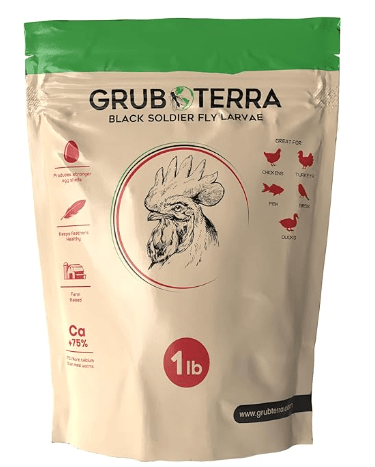
- GrubTerra Grubs Soldier Fly Larvae (A healthy treat that is protein-rich for muscle development and overall health).
- Olive Oil (Health fat source, for feather health. High in Polyphenols and Vitamin E for high-quality eggs, lower cholesterol, improved health, lubrication)
- Bacon Grease (In moderation, can be suitable for chickens when absorbed into oatmeal. Its high-fat content can provide potential benefits like extra energy and warmth, especially during colder periods, given as an occasional treat).
- Fresh water (Essential for hydration and overall health)
- Regular feed (Balanced nutrition for overall health and egg production)
I hope you’ve found value in the Top 10 Foods Chickens Cannot Eat and Top 20 Foods Chickens Can Eat lists. One of the great benefits of feeding grubs—like those from GrubTerra—is that it also helps reduce food waste. For every 1 lb of grubs sold, 20 lbs of food waste are upcycled, making this a sustainable choice for chicken keepers.
I highly recommend adding Chick Grit to their diet, as it plays a crucial role in maintaining digestive health. Grit for young chicks consists of smaller pieces, while older chickens require a coarser variety. As they mature and their diet diversifies, it’s essential to provide grit or oyster shells alongside their regular commercial feed, treats, and fresh water. This fosters a well-balanced diet and supports optimal digestion. To ensure treats complement rather than replace their feed, maintain consistency in portion sizes and feeding schedules.
Additionally, I’ve seen the benefits of supplementing with Hydro-Hen during the hot summer months to keep my flock hydrated and healthy. Below, I’ve listed the essential food supplements I use to keep my hens happy and thriving. Healthy hens lay nutrient-dense eggs!
Lastly, always monitor your flock for potential health issues such as digestive problems, diarrhea, lethargy, or wasting. If concerns arise, consult a veterinarian for the best advice and care.
Watch my flock try a variety of treats in this video!
My Favorite Chicken Supplements & Treats:
🐛 GrubTerra Dried Black Soldier Fly Larvae – A highly nutritious treat packed with healthy fats.
🪵 Manna Pro Chick Grit Digestive Supplement – Supports digestion for growing chicks.
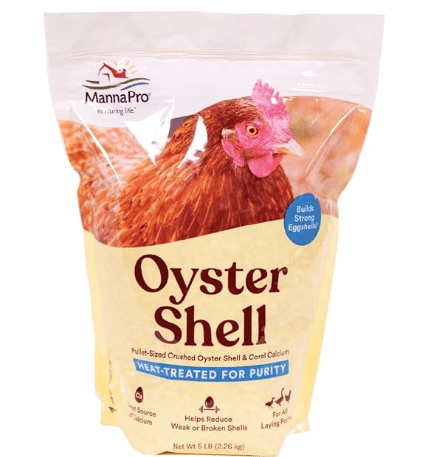
🐚 Manna Pro Crushed Oyster Shell – Provides essential calcium for laying hens.
💧 Manna Pro Hydro-Hen Water Supplement – A summer essential with probiotics, electrolytes, and acidifiers. I mix this into a 3-gallon waterer with ice for cool, refreshing hydration.
💡 Want to try GrubTerra grubs for your flock? Click below to use Vintage Virtues’ exclusive link for 20% off! Have you tried these treats with your chickens? Let me know how it went in the comments!


Affiliate Disclosure: This article contains affiliate links. I may earn a small commission for qualified purchases through these links. It costs you nothing and helps support the efforts of this blog, a win-win situation!
Source Citations
- The Happy Chicken Coop. “The Ultimate How to Guide: Feeding Chickens.”
- Hobby Farms. The Definitive Guide To Chicken Feed.
- My Pet Chicken. “What NOT to feed your chickens.” Accessed at www.mypetchicken.com
- Poultry DVM
- Merck Veterinary Manual
- Veterinary and Poultry Supply
- Backyard Poultry
- The Poultry Site


Leave a comment