

Color me surprised! Modesty is making a comeback in our modern world of dwindling traditional values, or as I affectionately call them, “vintage virtues.” I am genuinely excited to witness the rising trend of modesty and even the return of head coverings. I appreciate the diverse perspectives on this subject. On one hand, there are advocates for women to be covered from head to toe. On the other hand, some argue that as long as a person’s heart is in the right place, they should have the freedom to dress how they’d like with little regard to modesty. As someone who occupies the middle ground, I have been hesitant to speak on this topic due to its inherent contention. Nonetheless, I firmly believe that now is the opportune time to delve into this timely subject matter. In this article, I aim to present a concise history of modesty, explore the historical evolution of fashion, discuss the 20th-century shift towards immodesty, and highlight the notable resurgence of modesty. Finally, I’ll conclude by encouraging readers to participate in an open discussion. Join me on this journey through the pendulum swing in fashion.
Concise History of Modesty
Biblical Attire
There are scriptures in the Bible that guide appropriate attire, including the mention of head coverings. One well-known passage is 1 Timothy 2:9-10, which emphasizes the importance of women adorning themselves in respectable apparel with modesty, self-control, and good works. Another relevant section of scripture is 1 Corinthians 11:1-16, which addresses the significance of head coverings. Matthew 6:25 reminds us that life is more than food, and the body more than clothing.
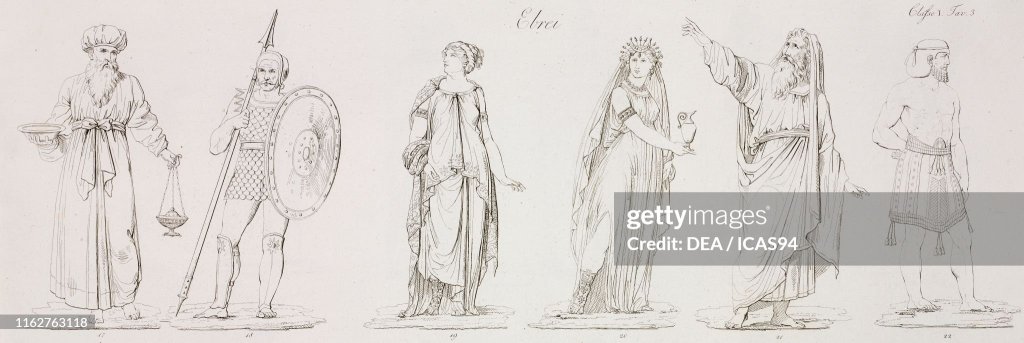
From a cultural perspective, both men and women in biblical times commonly wore modest clothing such as cloaks and tunics to ensure proper coverage. Women, in particular, often wore head coverings, a traditional garment, as a symbol of respect and modesty. These head coverings varied depending on the cultural contexts and ranged from veils to shawls.
Ancient Civilizations
Modesty standards during the ancient civilizations of the late 19th century and into the 20th century, differed among various cultures in Egypt, Greece, and Rome. In some cultures, modesty was predominantly expected from women as a reflection of societal hierarchy. Women had to cover their bodies extensively, and head coverings were commonly worn as a symbol of modesty and propriety. Meanwhile, men enjoyed more freedom in their dress, and the level of modesty also depended on factors such as social status and geographic location.
Source: “Modesty and civilization: The marginalization of women in 19th and 20th-century art,” by Maria Agnese Chiara Fabre

Middle Ages, Renaissance and Enlightenment Eras
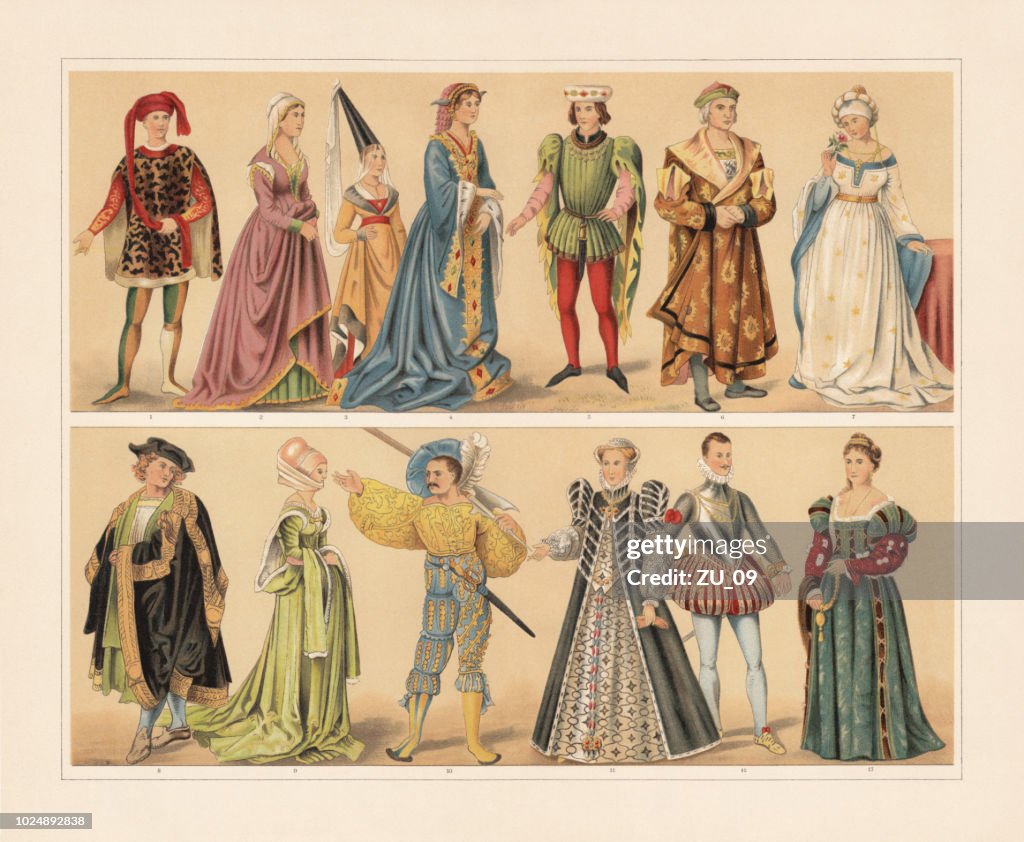
Throughout the Middle Ages, Renaissance, and Enlightenment eras, modesty played a significant role in societal expectations, encompassing not only attire but also head coverings. These three periods witnessed distinct developments in the styles and symbolism of head coverings, as cultural traditions shifted.
During the Middle Ages, head coverings were influenced by religious values and societal norms. Both men and women were expected to wear headgear as a sign of respect and modesty. Women typically adorned their heads with veils, hoods, or wimples, which varied in style and intricacy based on their social status. Men often wore caps or hats, such as the iconic “coif,” which were not only functional but also served as symbols of their social standing.
In the Renaissance era, head coverings took on a whole new level of elegance and artistry. Women’s headwear became highly elaborate, featuring intricate designs, feathers, jewels, and veils. Popular styles included the famed “Gable Hood” and the “French Hood,” which showcased the fashionable trends of the time. Men also embraced more decorative head coverings like wide-brimmed hats, adorned with feathers and embellishments, to accentuate their attire.
As the Enlightenment era dawned, head coverings became simpler and more practical. Women’s headwear shifted towards bonnets, which offered a more understated and functional approach. Men favored tricorn hats, which were versatile and widely worn. The emphasis during this period was less on extravagant head coverings and more on the cultivation of inner virtues and intellectual modesty.
Source: “Fashion in the Middle Ages” by Margaret Scott, “The Virtue Ethics of the Renaissance” by Rem B. Edwards, and “Enlightenment Fashion: The Sources of Historical Dress” by Gary S. Seligman
Victorian Era
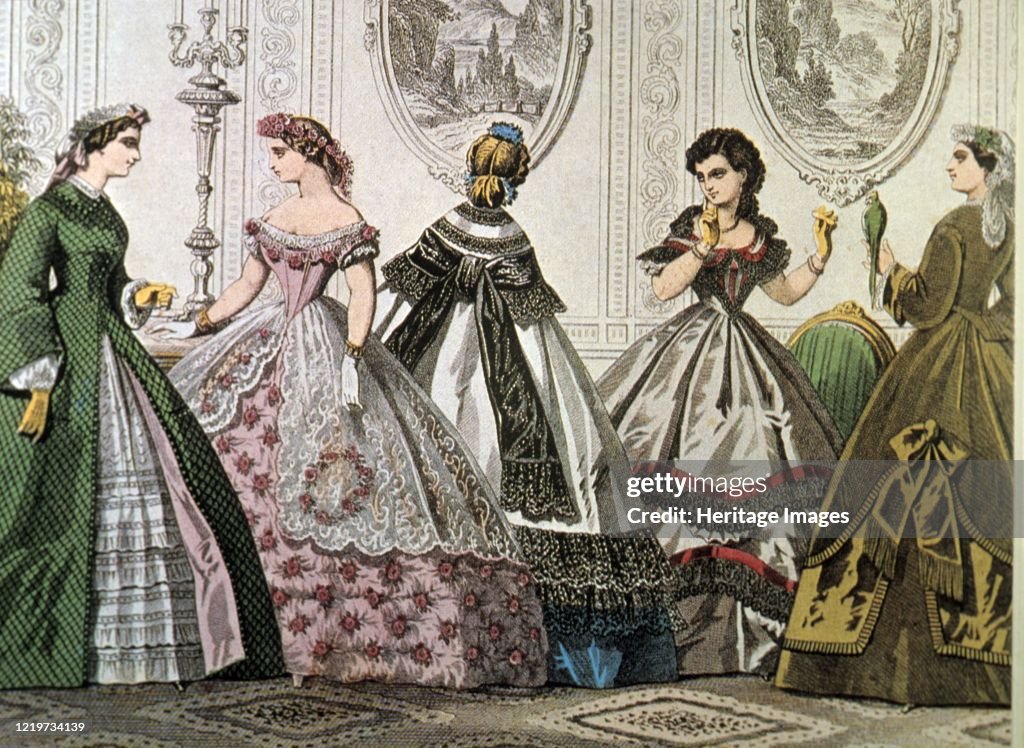
The Victorian era, particularly in the 19th century, was characterized by a strong emphasis on morality and propriety. Modesty in clothing was paramount, especially for women. Expectations included high necklines, long sleeves, and voluminous skirts, intended to cover the entire body. The display of excessive skin was considered indecent. Additionally, head coverings played an important role in Victorian fashion. Women often wore bonnets or hats to complete their outfits and showcase their elegance and social status. These head coverings were adorned with ribbons, flowers, feathers, or lace, adding a touch of sophistication to their ensemble. As the era progressed, some women also embraced turbans and veils, which added variety to their headwear choices. It is worth noting that towards the later part of the era, there was a shift in fashion trends, which saw some women adopting plunging necklines and revealing cleavage.
Source: “Victorian Fashion: A Brief History,” by Rachel E. Wynn
20th Century Fashion
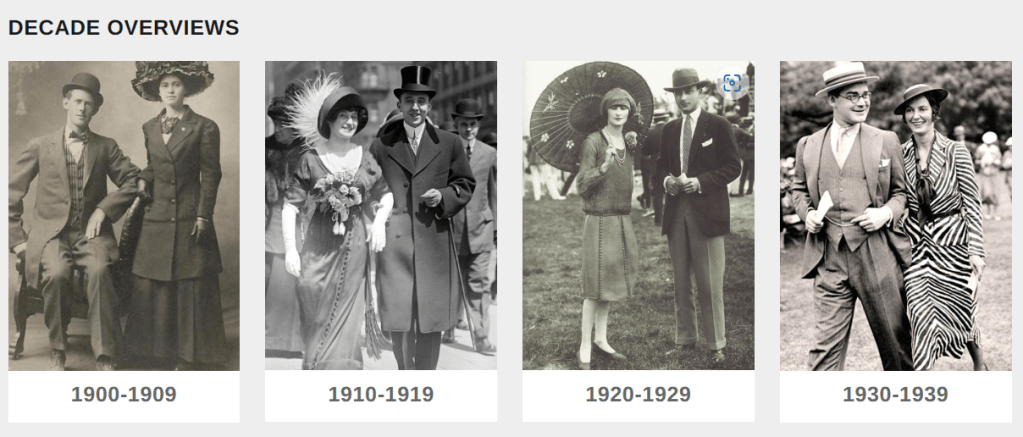
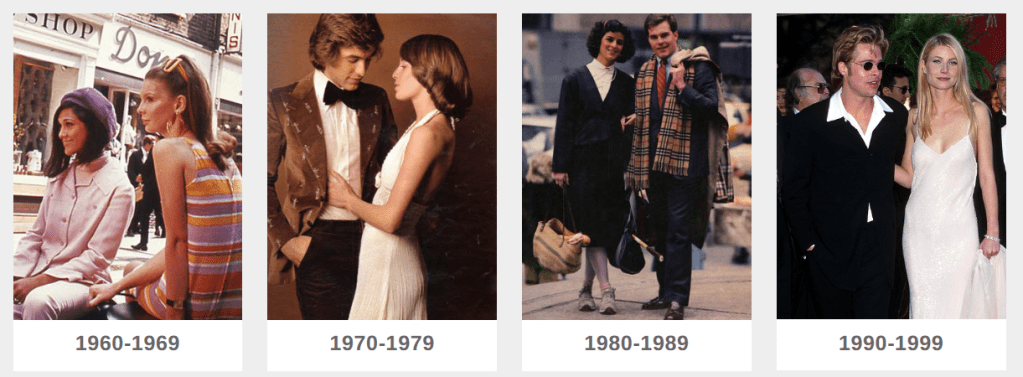
Over nearly 2,000 years, modest dress has been largely the norm, influenced by religious beliefs, social norms, and cultural values. However, the 20th century brought about a transformative shift in the fashion industry, challenging traditional standards of modesty. By the early 1900s women’s fashion began to embrace practicality and comfort, leading to looser silhouettes, loose-fitting garments, and shorter hemlines. Modesty became more of a subjective concept, varying across cultures and regions. Head coverings, including hats, turbans, and veils, were popular accessories, adding elegance to women’s outfits.
Contrary to this prevailing trend, the 1980s witnessed significant deviation from wearing head coverings, marking a departure from long-standing practices. The Vatican’s declaration that women no longer needed to wear head coverings and the influence of Western fashion trends, particularly highlighted in a Paris fashion show, played a role in this shift. Changing social and cultural attitudes towards modesty, the increasing emphasis on personal expression, and the desire for liberation from traditional gender roles also contributed to this transition. Traditional clothing, namely dresses for women, faded out as everyday wear by the 21st century. This really marked a turning point in fashion.
Source: Forest, Jennifer. “Fashions in Early 20th Century America: 1900 – 1920.” Fashion History Timeline. Fashion Institute of Technology. Accessed October 15, 2021. https://fashionhistory.fitnyc.edu/category/20th-century/

Pivot into 21st Century Fashion
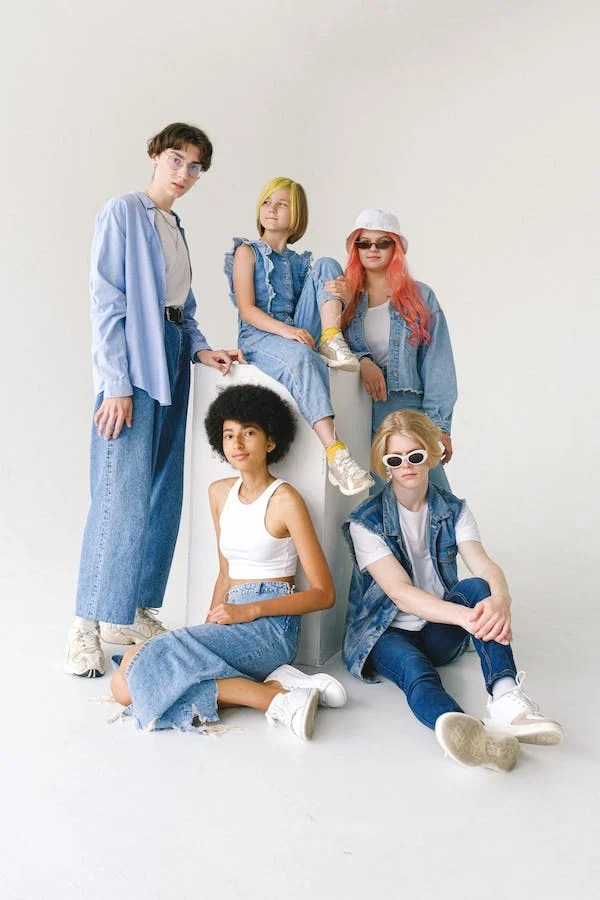
Contemporary fashion in the 21st century has experienced a significant transformation since the latter part of the 20th century. Modern trends have been largely impacted by the fast fashion industry. Fashion designers now emphasize self-expression and individuality, challenging traditional notions of modesty which have resulted in a profound impact. The styles have become more daring, with low-cut tops and body-hugging silhouettes being prevalent. The rise of street style has blurred the line between mainstream and alternative, as designers find inspiration in the creative expression seen on the streets. This movement celebrates cultural identity, diversity and inclusivity, allowing individuals to express themselves authentically through their fashion choices. There’s also been a noticeable shift towards body positivity, although it’s important to address concerns about the objectification and commodification of the human form.
Source: Vogue – The Power of Contemporary Street Style
Image source: Pexels.com




Resurgence of Modesty
In more recent years, I’ve started experiencing a personal conviction to embrace a more modest style. I’ve been shopping in-person and online, watching videos on social media platforms, and researching articles on the subject. I even recently joined a community called “True Modest Fashion & Fellowship for Christian Women.” This rapidly growing group, established just four months ago, already has nearly 2,000 members. With an average of nine posts per day, this flourishing community is a testament to the increasing popularity of modesty in fashion.
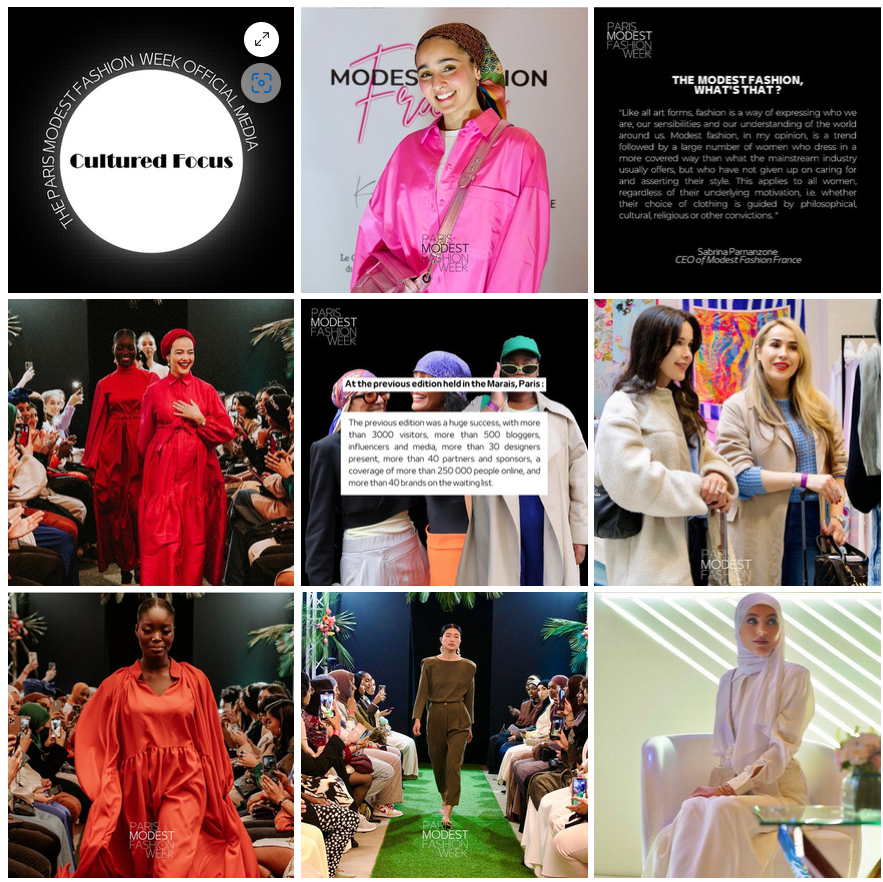
Modest fashion is gaining traction not only within communities but also in the industry. Fashion designers and brands are responding to the shift in demand. According to a thought-provoking article by Wajma Nasri, the modest fashion movement is projected to transform the fashion landscape by 2023[^1^]. The inclusivity, elegance, and conscious design choices associated with modest fashion are captivating an increasing number of individuals, drawing the attention of designers, influencers, and consumers alike. Technological advancements and online platforms have also played a role in the rise of modest fashion influencers.
The influence of modest fashion has even made its way to the couture runway, thus opening up modest fashion to a global audience. Designers are incorporating modest elements into their collections, featuring luxurious flowy silhouettes and stylish headscarves to cater to a wider range of individuals seeking refined and fashion-forward options [^2^]. This demonstrates that modesty is not merely a passing trend but a significant movement within the fashion industry, albeit in the early days of resurgence. The modest fashion industry itself is projected to reach $122.73 billion by 2030, showcasing its impressive growth and potential [^3^] in the global market. The rising demand for modest clothing has led to an increase in fashion designers and fashion brands working to supply the demand, clothing retailers marketing modest options, and the emergence of modest fashion influencers. In turn niche markets and online boutiques, have also sprung up. A simple Google search of “fashionable modest Christian clothing” will yield a plethora of results, as depicted below.
Sources:
[^1^]: Nasri, Wajma. “2023 and Modest Fashion.” Medium. Read more
[^2^]: “Modest Fashion Makes Inroads on Couture Runways for Spring 2022.” WWD. Read more
[^3^]: “North America Leads Modest Fashion Market, Set to Reach USD 122.73 bn.” Fashionating World. Read more

Wrapping It Up
I believe it is important to engage respectfully in the way we dress and present ourselves. Lately, I have noticed a positive change in the fashion industry where more modest clothing options are becoming increasingly accessible and affordable. This shift towards modesty seems to be driven by the growing demand for such fashion choices. It will be interesting to see how the evolution of modest fashion continues to pivot in coming years.
I would love to hear your thoughts on what might be driving this shift and how you feel about the concept of modesty. I encourage you to join the conversation and share your perspective.

 Vintage Virtues
Leave a reply to Guide to a Modest Wardrobe Spring + Hot Summer Edition – Vintage Virtues Cancel reply