

As I was doing research for a homeschool co-op lesson on the Great Depression, I was inspired to take on the best of the era’s cuisine in my own kitchen. From chicken sliders to wacky cake, depression meatloaf, and hearty navy bean soup, to Goulash, homemade pizza, a Poor Man’s meal, and water pie, I challenged myself to recreate these comforting dishes. Surprisingly, many of the comfort foods I grew up eating were actually born out of necessity during this tumultuous period. Following the advice of my husband’s grandmother, who taught me the importance of a well-stocked pantry, I only needed to purchase eight additional ingredients to whip up a week’s worth of delicious meals. Join me on this nostalgic journey as we travel back in time and explore a series of recipes inspired by a bygone era. You can find the recipes linked within each paragraph or included on photo recipe cards for your convenience.
Sunday Supper
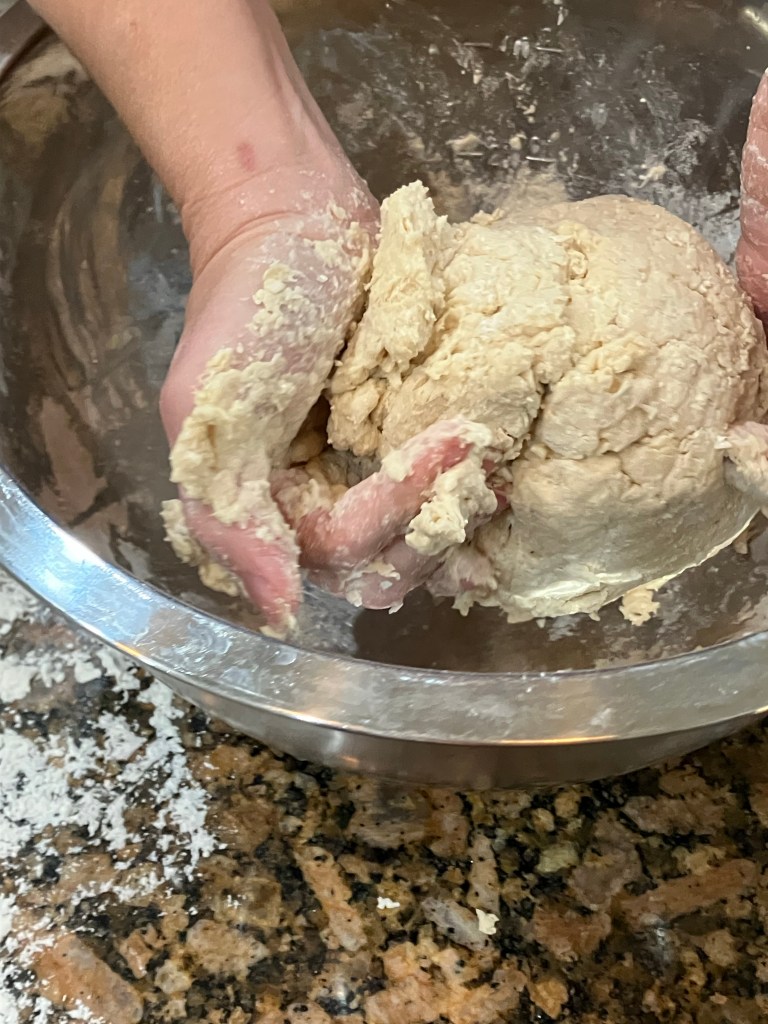
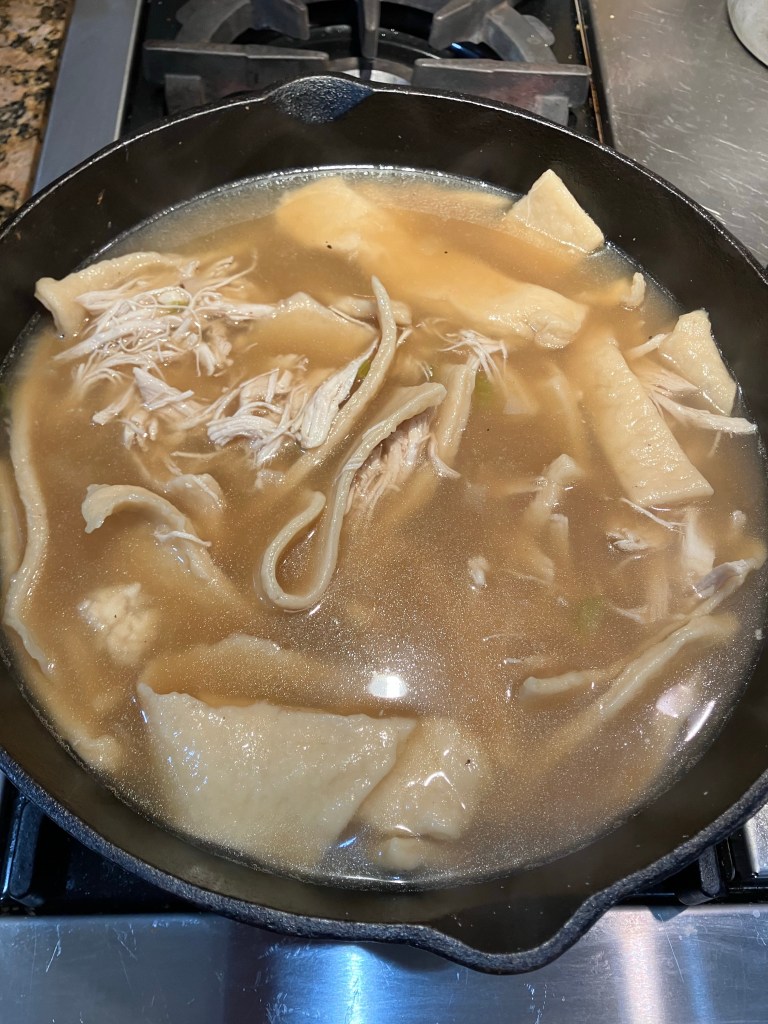
Chicken and Sliders: This recipe is considered a culinary gem with historical roots. Originally developed in Canada during the Depression era, Chicken and “Sliders” resemble the beloved chicken and dumplings that my grandma Jewell used to make. I substituted the suggested whole chicken with chicken breasts that I got at a great price. It was heartwarming to engage the kids in the process of making and hand-rolling the dumplings. It added a nostalgic touch, reminiscent of precious moments spent in the kitchen with my grandmother. I served these alongside canned green beans heated through with a splash of bacon grease.


Depression Cake (Wacky Cake): After a warm bowl of dumping’s, we each indulged in a slice of Wacky Depression Cake. This vegan cake is unique as it doesn’t contain eggs or butter, relying instead on ingredients like vinegar and oil. I must say, it was amazing! The cake was incredibly moist, and the frosting had a deliciously, light airiness to it. We enjoyed it so much that we decided to share some slices with our neighbors, and my husband even took a few pieces to share with his co-workers. The linked recipe suggests using the frosting of your choice. My daughter has a closely guarded recipe for a delicious chocolate buttercream frosting that we used.


Modays Meal
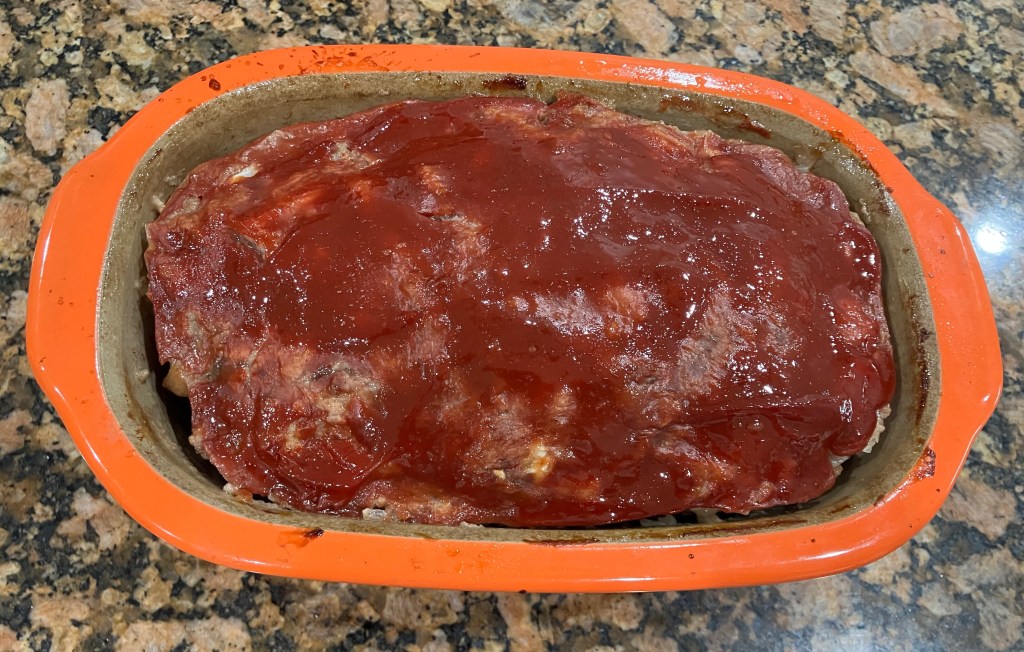
Depression Meat Loaf: This recipe calls for the use of evaporated milk, which must have been more affordable during those times. However, Carnation is priced at $2.19-$2.43 for one 12 oz can at my local grocery stores. Some would say we’re living in a “Silent Depression” with high food inflation. So, I opted for whole milk. Even with using organic milk, it only came out to about 50 cents per cup. I served the meatloaf alongside mashed potatoes and cinnamon-sugar glazed carrots. We enjoyed another slice of leftover Wacky Cake and the game of “Life”. Although we played the modern, electronic banking version, the original Life game was popular alongside Monopoly, Scrabble, and Chess during the Great Depression era.


Tuesdays Dinner
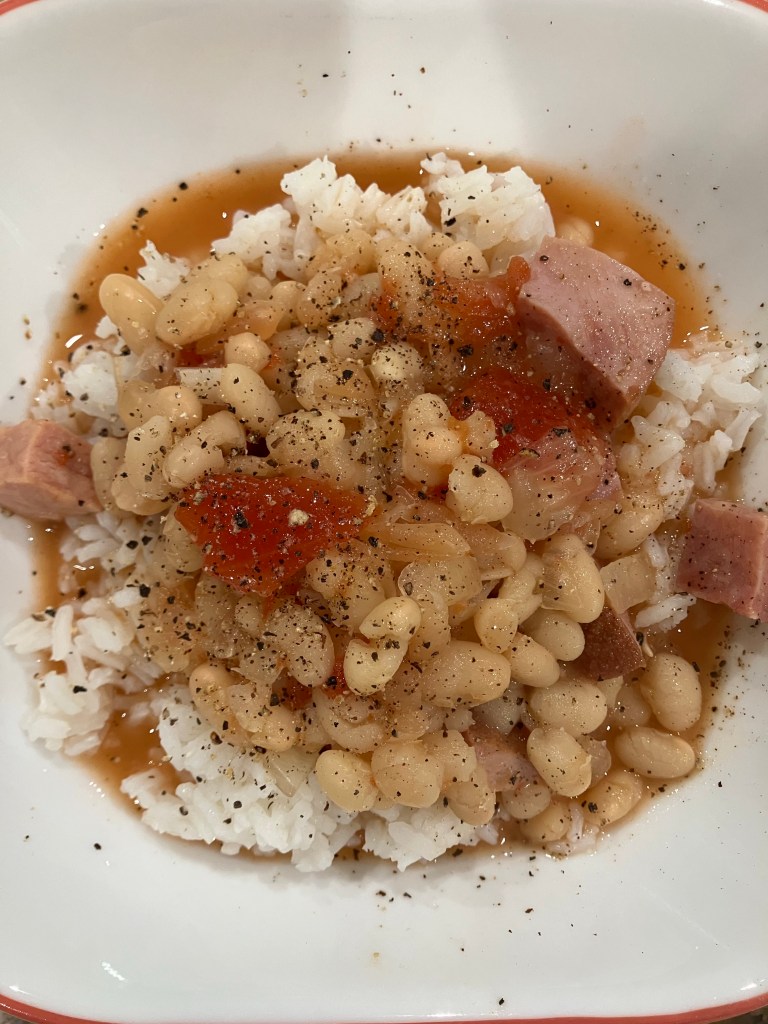
Hearty Navy Bean Soup: This recipe for Hearty Navy Bean Soup reminds me of the bean soup my husband’s grandmother makes. While her version doesn’t usually include diced tomatoes, this variation adds a tangy flavor to the soup. The combination of celery, onion, and tomatoes adds a touch of freshness and enhances the overall nutritional value. This soup is perfect when served over a bed of warm, white rice. I must admit, we also indulged in a third serving of leftover wacky cake for dessert!

Wednesdays Fellowship Dinner & Bible Study
On Wednesday nights, we participate in a fellowship dinner and Bible study at a local church that also hosts our homeschool co-op. Church volunteers prepare a delicious meal, which is served at 5:30 PM. Following the meal, we attend Bible study starting at 6 PM, with something for the whole family. The dinner options range from simple pizza or sandwiches to more substantial dishes such as chicken and rice with vegetables. On this Wednesday, I was pleasantly surprised to enjoy a meal reminiscent of those served during the Great Depression. The plate featured elbow pasta noodles with marinara meat sauce, accompanied by green beans and a dinner roll. These meals serve as a vital ministry of the church, which also offers a food bank, disaster relief assistance in collaboration with the Salvation Army, and numerous other invaluable services. Their commitment echoes the selfless spirit of Christian ministries during the challenging times of the Great Depression.

Thursdays Meal
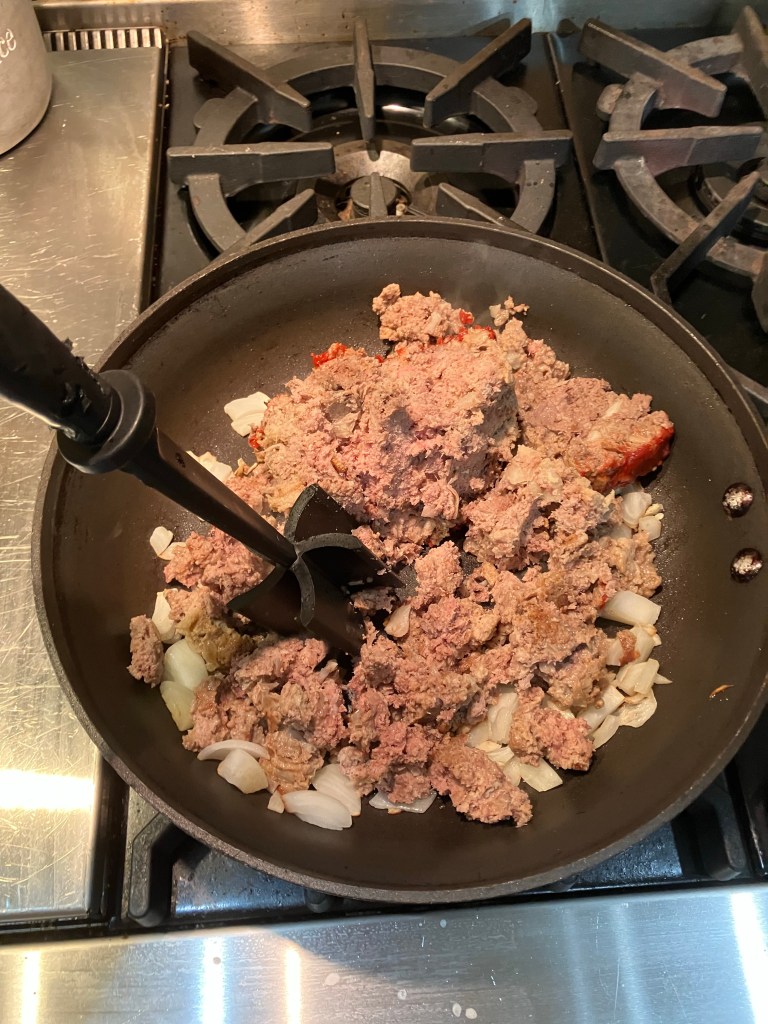
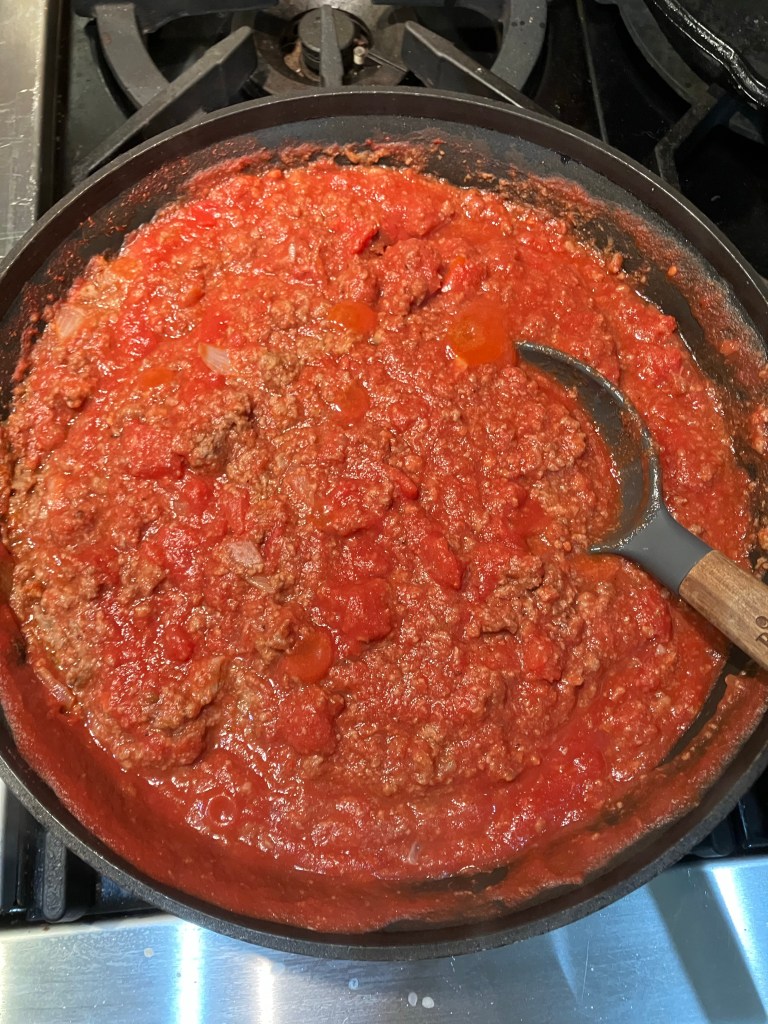
Goulash (Recipe Card Below) So, this meal was pretty similar to what we ate the night before, which was a total coincidence! I had already planned to make Goulash, following a specific recipe. However, when I discovered that I had 1 pound of leftover meatloaf from Tuesday, I decided not to waste it. Any leftover ground beef would work for this dish, so I used the meatloaf instead. I also have a variation of Goulash that incorporates taco meat and chili powder, giving it a Tex-Mex twist. The flavors in this Goulash were delightful. The combination of the reheated meatloaf with onions and fresh garlic intensified the flavors. With the addition of tomato sauce and shredded cheese, it became a filling and satisfying meal. I even had three extra meal prep containers that provided my husband with a hearty lunch the next day.


Fridays Dinner
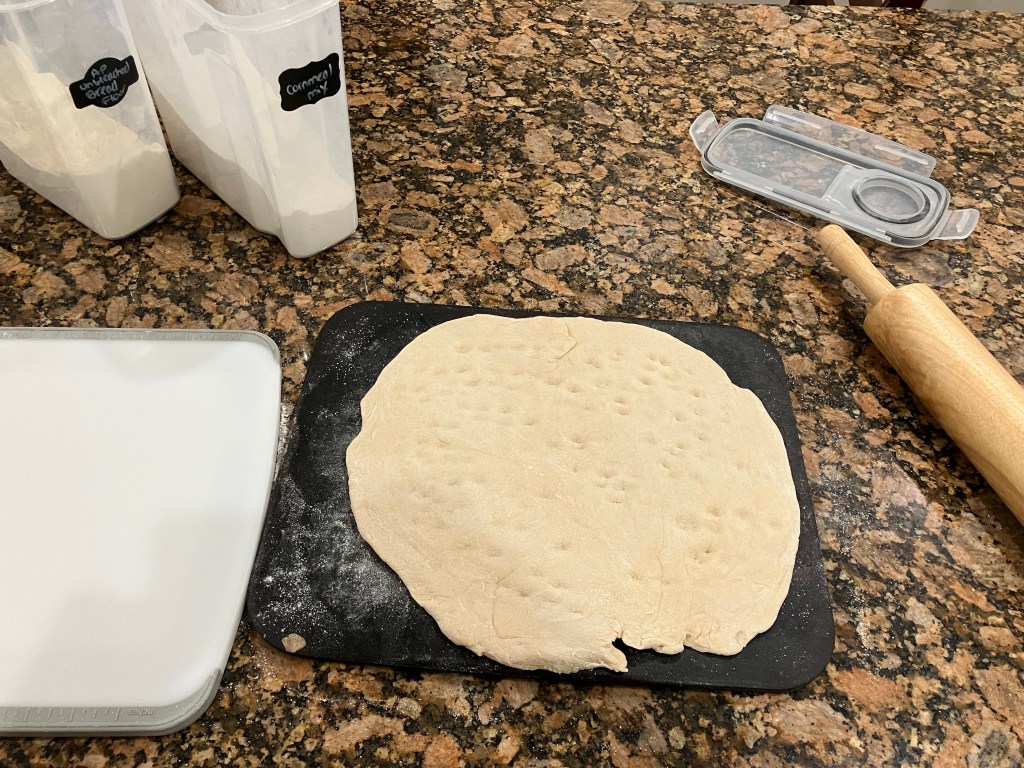
Nana’s Great Depression Pizza from Clara’s kitchen: I followed the basic recipe but omitted the anchovies. Fresh basil and pepperoncini from my garden were diced up and added to the pizza. The kids insisted on having olives and pepperoni. The pizza turned out delicious with a nice spicy kick. I adore Clara’s perspective that “We were more of a family during the Great Depression.” On her website, www.welcometoclaraskitchen.com, Clara shares not only her childhood memories and stories, but also her cherished recipes.


Saturdays Supper
Poor Man’s Meal: Our family enjoyed this delicious meal, which consists of beef hotdogs, potatoes, and onions, seasoned with a touch of salt, pepper, and oregano. To elevate the flavors, consider adding bell peppers or substituting the hotdogs with sausages, both ingredients would likely have been easily accessible to small family farms. The most challenging part of preparing this dish is chopping the three large onions; I was brought to tears over this poor man’s meal! Served with a fresh side salad.


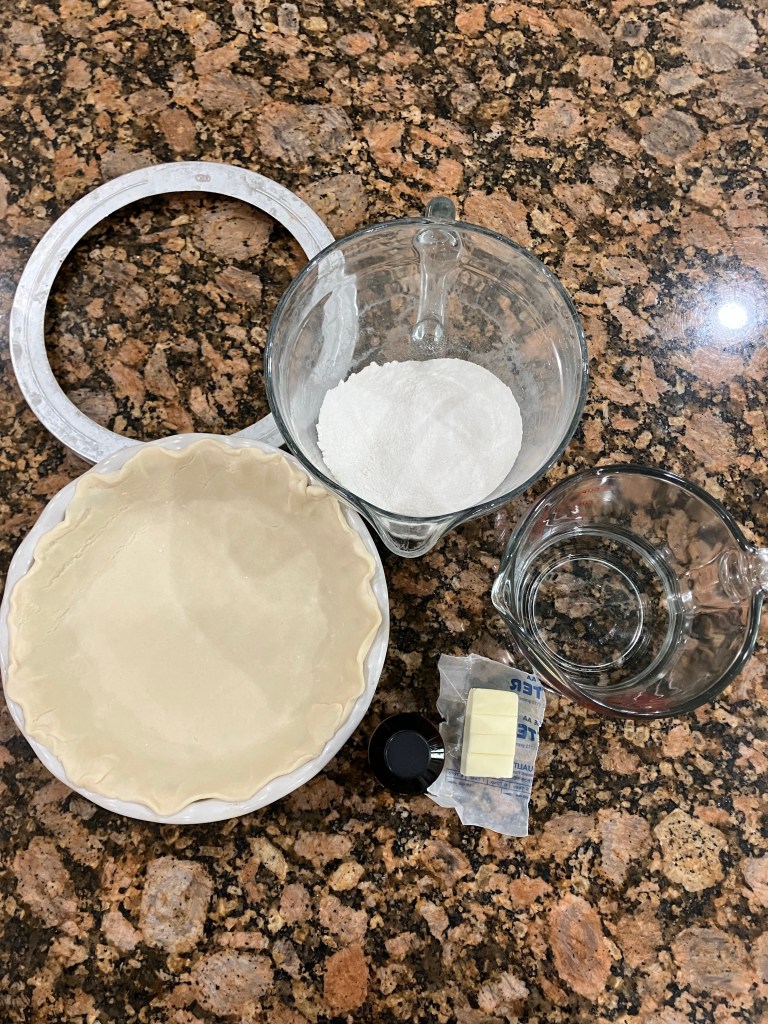
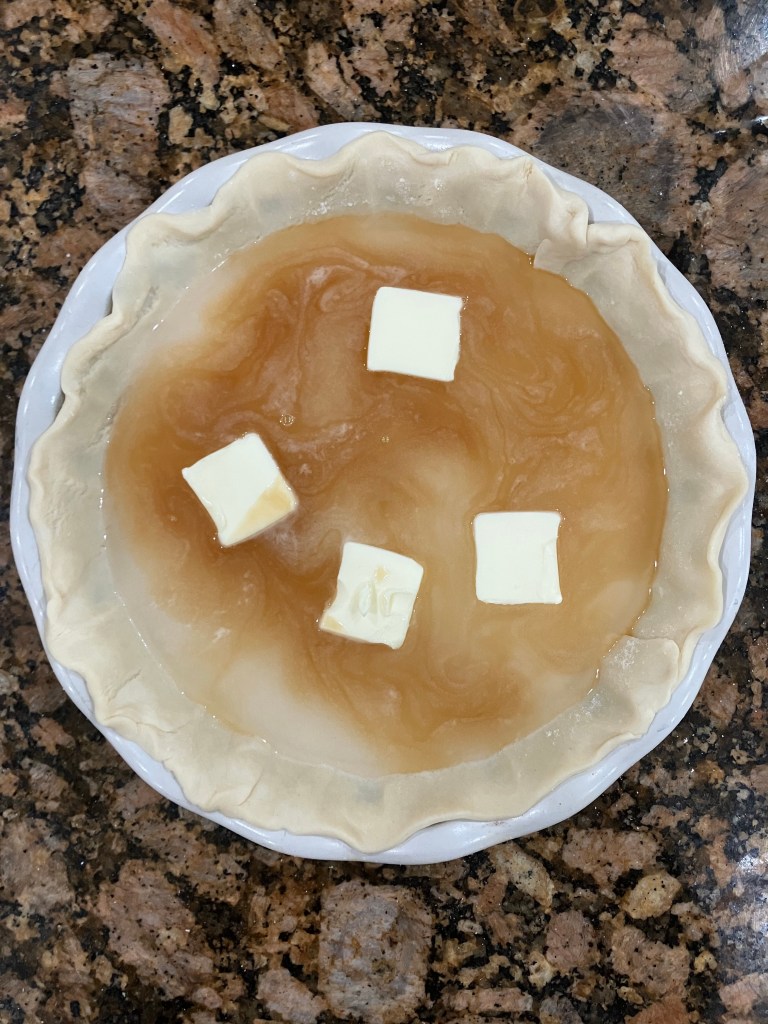
Water Pie: I have never even heard of this pie until recently while researching the Great Depression. This has been the most fascinating thing I’ve come across lately! The main ingredient in this pie is water, followed by a generous amount of sugar. It’s amazing how people during the Great Depression came up with such creative recipes using minimal ingredients, and this one is truly unique. Some describe its taste as reminiscent of custard or a sugar cookie. Personally, I think it’s similar to a pecan pie, but without the pecans. My son absolutely loved it, my husband found it acceptable, and my daughter decided to skip it altogether. As for me, I enjoyed the crust but found it to be a bit too sweet for my liking.



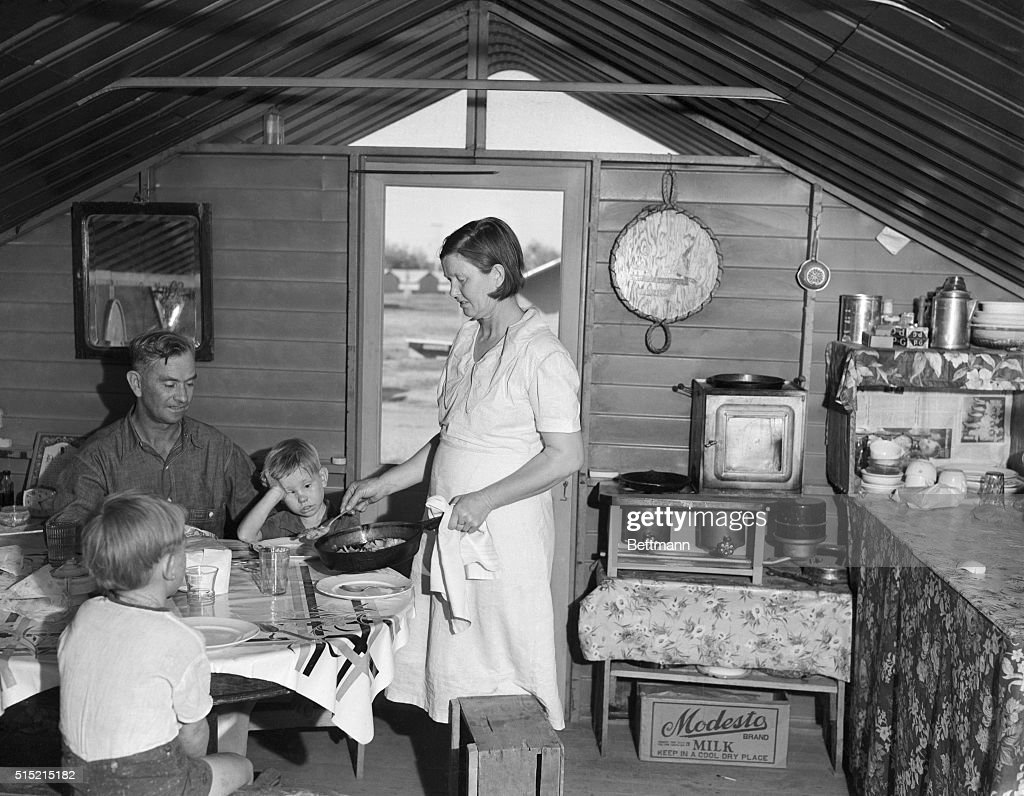
Final Thoughts. I hope you enjoyed this nostalgic journey through Mom’s Diner and the meals of the Great Depression. These simple dishes relied on pantry staples like flour, canned vegetables, beans, and rice. Ingredients such as water, rice, and bread were cleverly used to stretch meals, while meat was considered a luxury and served in smaller portions. Seasonings were minimal, with salt, pepper, and a hint of herbs. The shared experience of making the most out of limited resources created lasting memories that continue to inspire us today.


Leave a comment