
From the First Deer to the Dinner Table
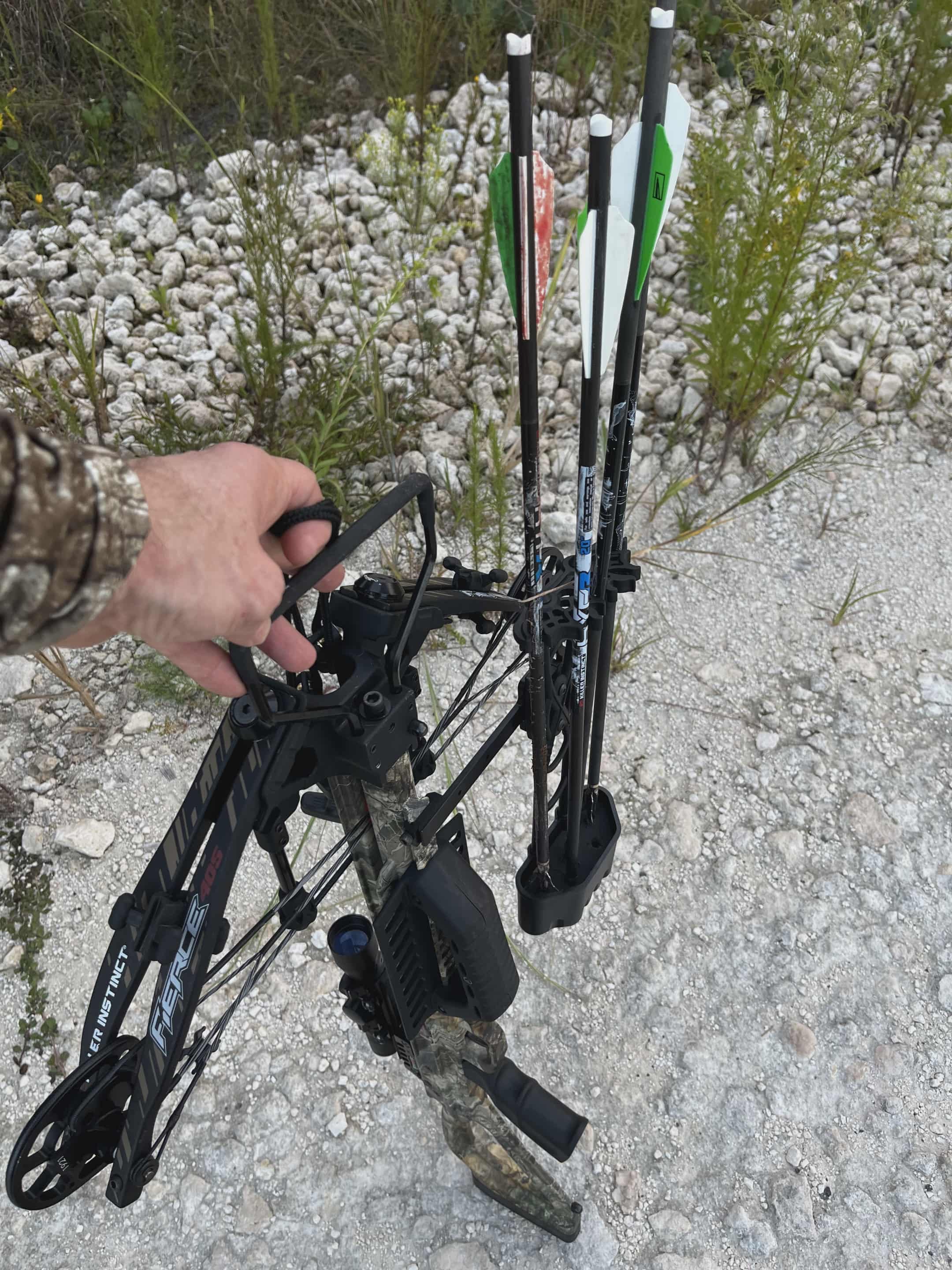
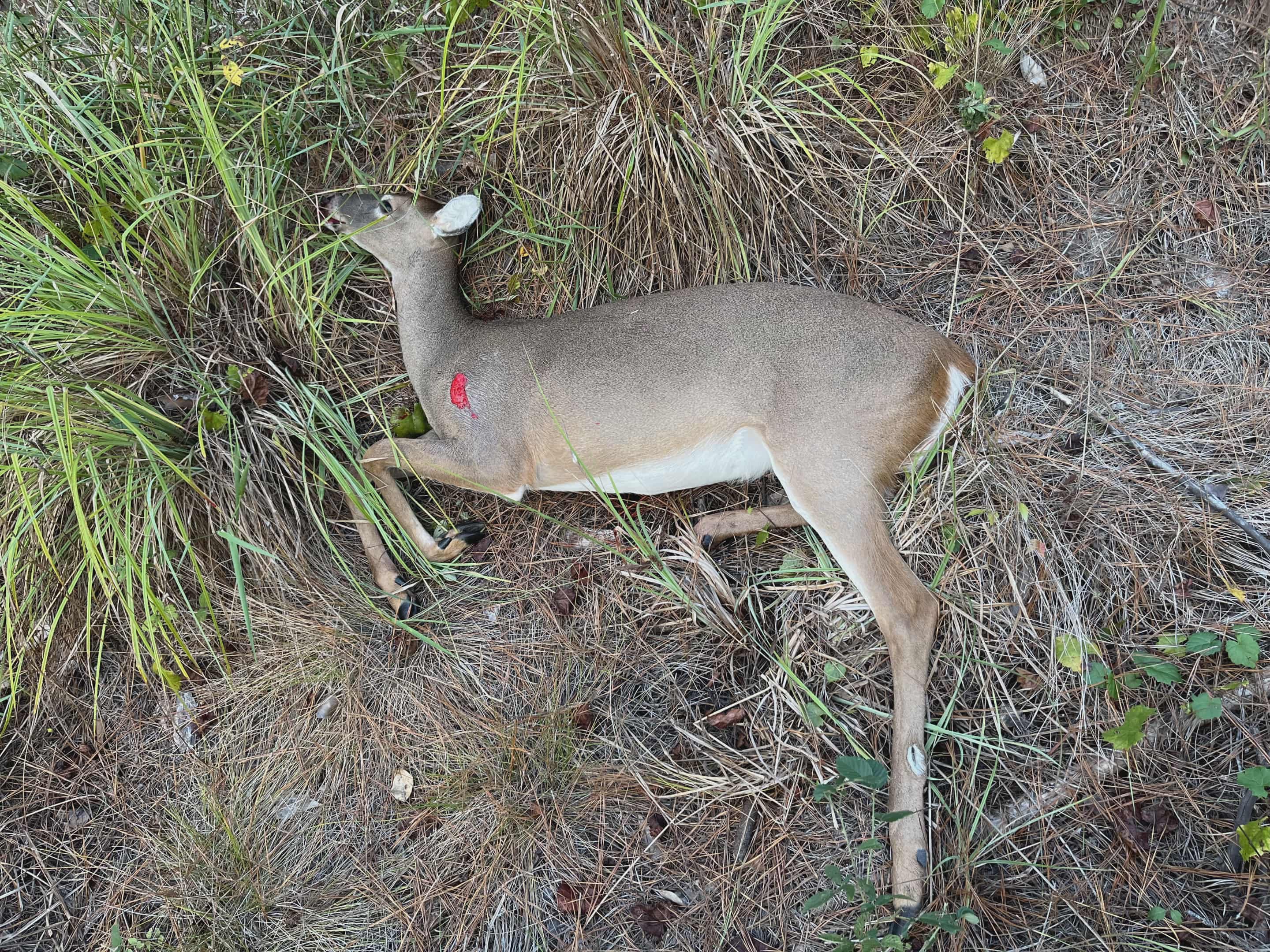
My husband recently went on a hunting trip and scored his first deer. I was prepared for him to be gone the entire afternoon, well into the late evening hours. I was surprised when I received a text with a photo early in the hunt. Then I thought, ‘What’s next?‘
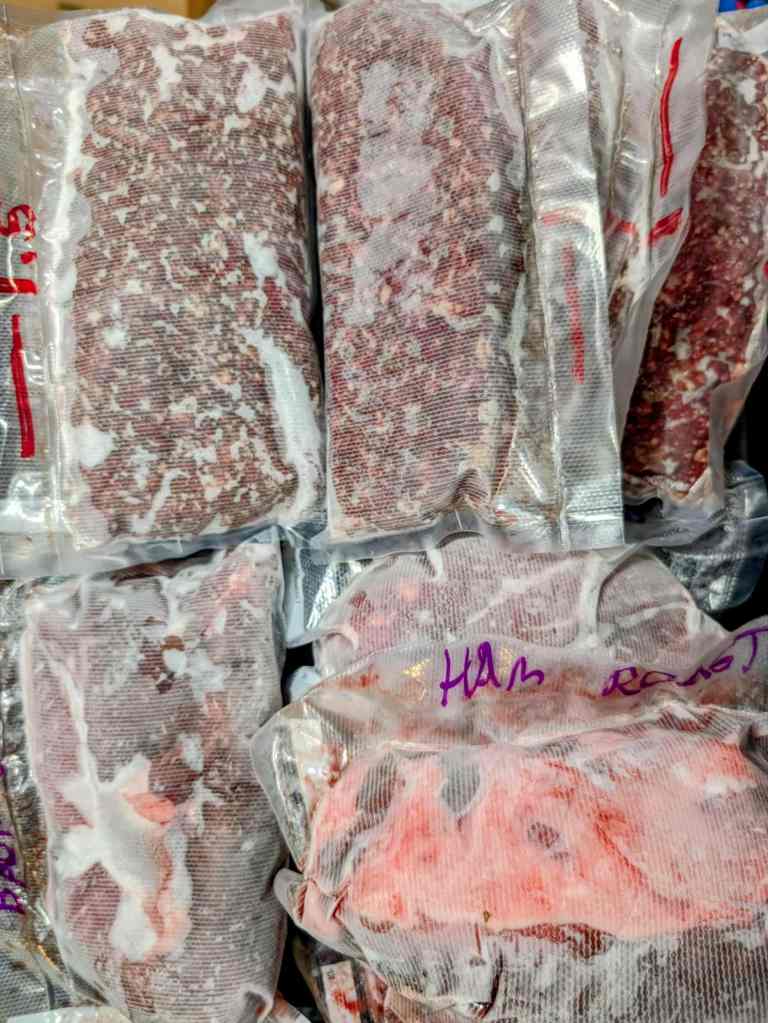
It needed to be field dressed, harvested for meat, processed, packed, and brought home. He did arrive late that evening, but with success. He and his friend split about 37 pounds of meat. I found myself the recipient of three roasts, one backstrap, and seven packages (each weighing 1–1½ pounds) of ground venison.
As a child, I’d witnessed unethical hunting when a deer was suffocated in the back of a vehicle. I had also tasted venison and didn’t care for it. It had that strong wild game taste I couldn’t get past. I never thought of it as a viable meat source.
As an adult, though, I reluctantly tried some venison breakfast sausage, and to my surprise, I liked it. It just tasted like sausage. Then, at a friend’s house, I tried smoked venison that reminded me of steak. I was shocked there was no gamey flavor. My friend explained that it’s all about the right preparation techniques; the way the meat is handled, cleaned, and cooked makes all the difference in the flavor of venison.
With all the meat from my husband’s first hunt, I knew I needed to learn how to prepare venison properly. I set out to find different ways to cook venison at home—methods that bring out its natural flavors and make it something to look forward to on the dinner table.
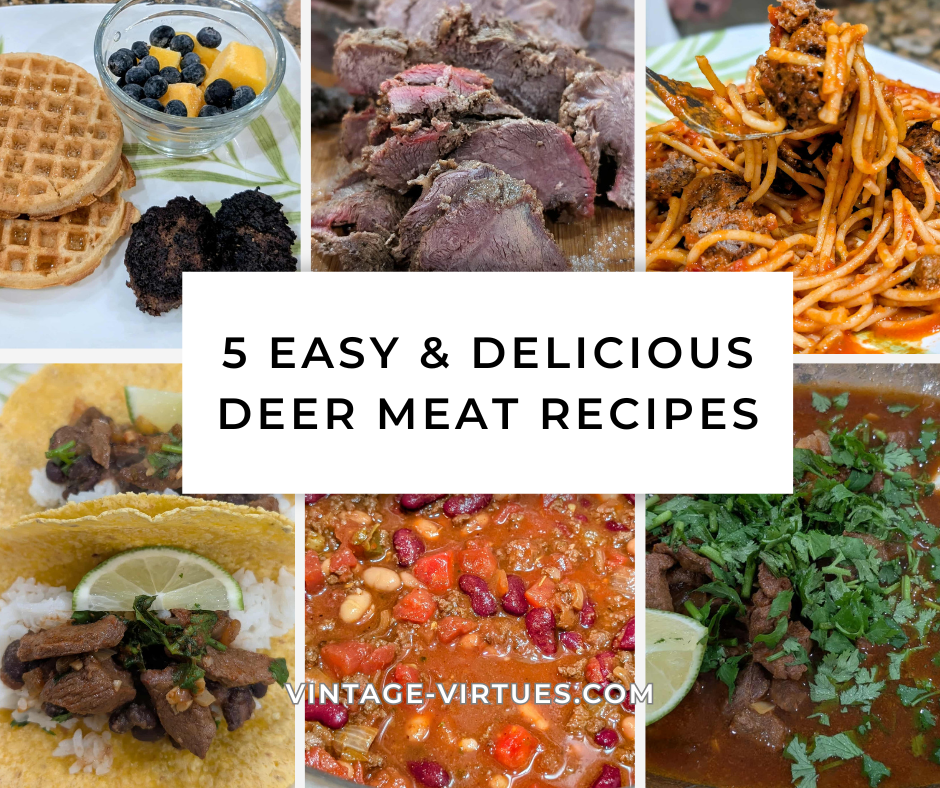
When you have a lot of venison, it’s essential to know how to cook it well to bring out its best qualities, reduce that wild-game taste, and highlight its natural richness. This article will share five of our favorite ways to cook venison: from smoked roast fillets to deer smash burgers, along with tips and tricks for getting the most flavor from every cut.
Understanding Venison Cuts & How to Use Them
As with beef, different cuts of venison lend themselves to other cooking methods. Knowing which is which helps you choose the best way to prepare each one.
- Backstrap – A tender cut, perfect for high-heat searing, sous vide, or even Birria.
- Roast/Shoulder – Best suited for low-and-slow methods, such as smoking, slow cooking, Dutch oven, or pressure cooking. These cuts benefit from a gradual leaching process that breaks down tough muscle fibers, resulting in tender, flavorful meat.
- Ground venison – Ideal for meatballs, burgers, and chili. Mix it with a bit of ground beef or another fat source to balance out its lean nature and achieve juicier results.
Before cooking, always remove the silver skin and connective tissue. It’s one of the most effective ways to reduce natural gaminess and achieve tender, mild venison cuts.
For added flavor and tenderness, try soaking the meat in a simple saltwater brine (1 cup of salt per gallon of water) or a vinegar-based solution. These proper prepping techniques help mellow the intensity of venison and bring out its natural flavors.
Now, let’s get into the venison recipes themselves: five easy, delicious, and tried-and-true ways to turn your own deer into memorable meals.
Recipe #1: Smoked Venison Roast Fillets
This was our very first venison recipe from my husband’s first deer! We chose a smoked venison roast because we’d both tasted and loved it at a friend’s house. It felt like the “safe choice.”
This method turned out to be one of the most effective ways to highlight the flavor of venison without masking its natural flavors. Below, I’ll walk you through our process, from prep to smoking, and share a few takeaways (and photos!) along the way.
Prepping the Venison Roast
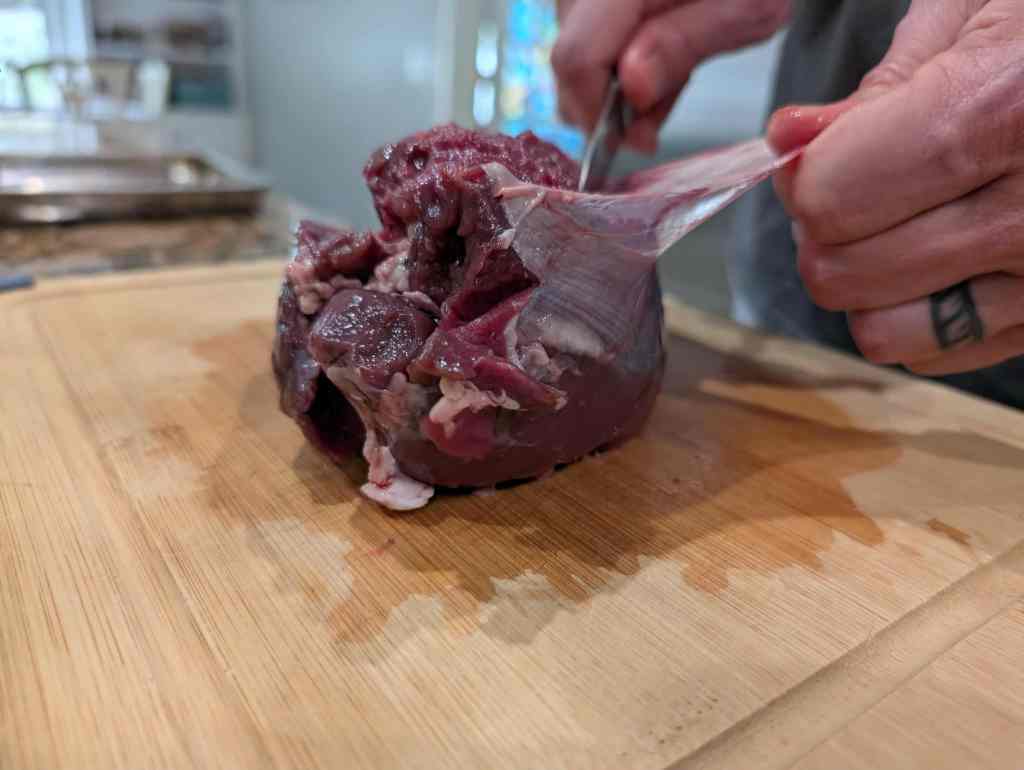
The first step was butchering the roast, which meant removing the silver skin and connective tissue until we had a clean, tender cut of meat ready to go. Removing these tougher layers helps reduce the gamey taste and makes the meat much more tender.
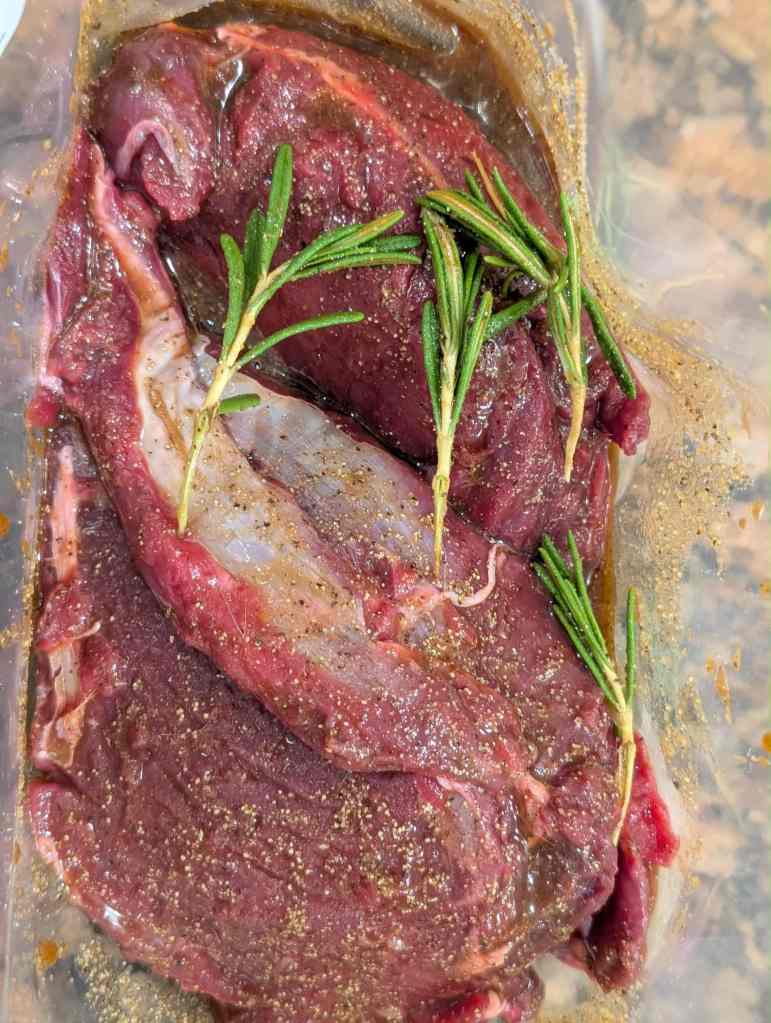
Once the roast was trimmed, we made a simple marinade for soaking using olive oil, apple cider vinegar, spices, and fresh rosemary using this recipe: Smoked Venison Roast Recipe: Tips for Smoking Venison – 2025 – MasterClass.
This vinegar-based solution helps tame the wild game flavor through a gradual leaching process, letting the meat rest in flavor rather than fight it.

Smoking the Venison
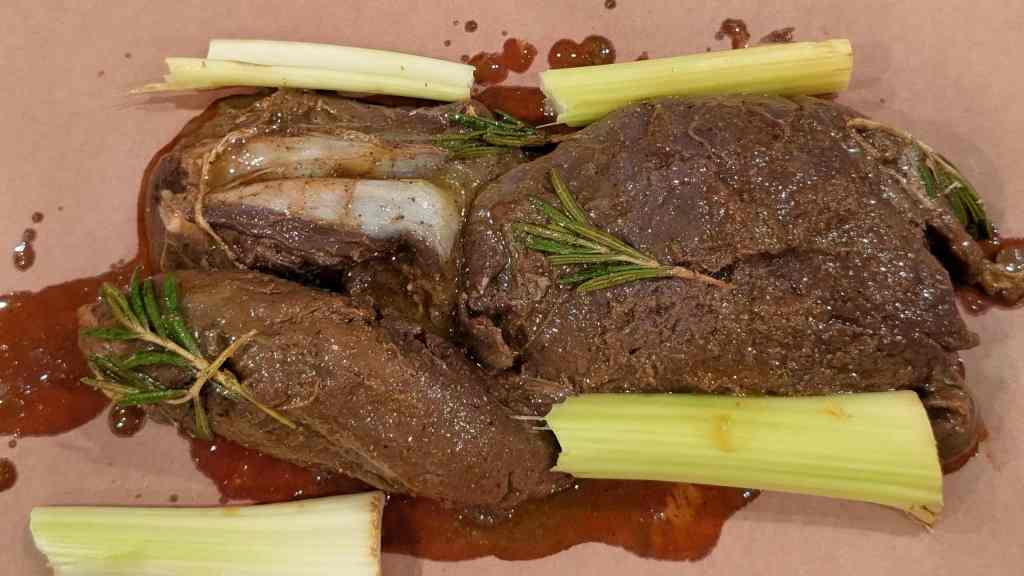
We used a steakhouse-style dry rub, wrapped the roast in butcher paper, and placed it in the smoker. I’d read a tip to add stalks of celery to the smoker to help retain moisture, so that’s what we did.
Smoking Details:
- Temperature: Preheat smoker to 225°F
- Cook time: About 2 hours
- Internal temperature: Aim for 135°F–140°F for a tender, medium-rare finish
- Rest time: Let the roast sit until it reaches room temperature before slicing
When finished, drizzle with barbecue sauce for a smokehouse-style BBQ Brisket experience.
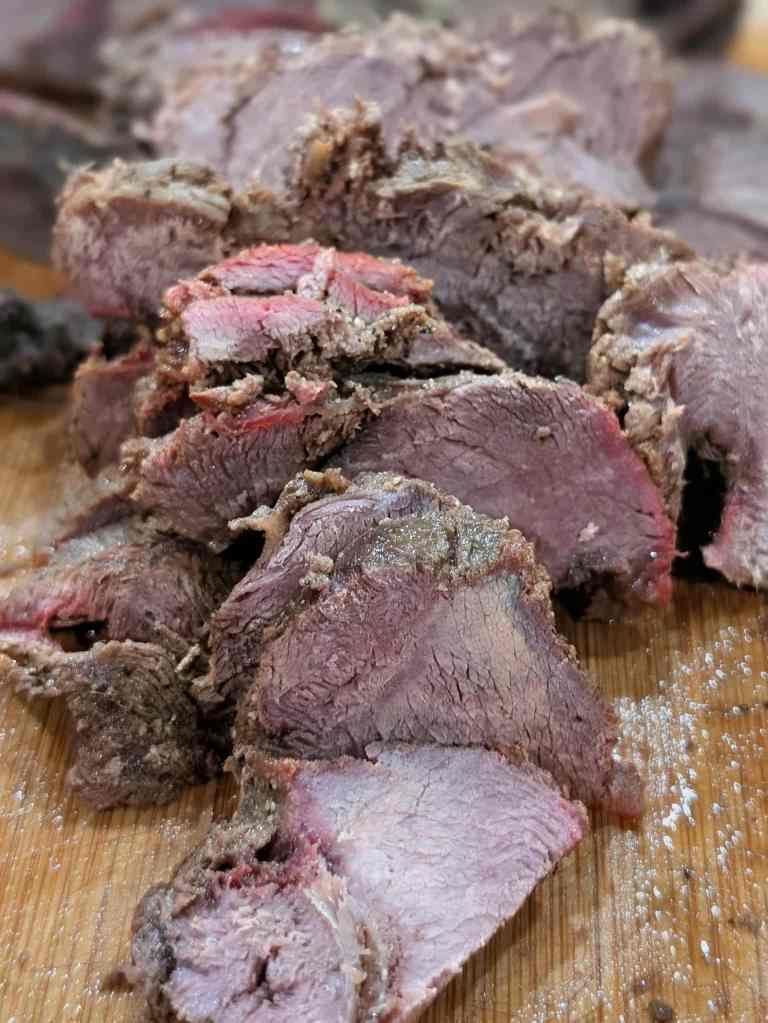
This smoked venison roast reminded me of smoked beef brisket. It was rich, tender, and full of flavor, like something from a great BBQ restaurant.
My only slight regret? The fresh rosemary was pungent and clashed slightly with the barbecue sauce. Next time, I’ll use fewer herbs or skip the rosemary altogether.
Still, this was a win. The meat was flavorful, simple, and a great way to learn how to prepare venison from our own deer. It was far less intimidating than I expected and definitely earned a place in my go-to venison recipes.
Recipe #2: Venison-Beef Meatballs
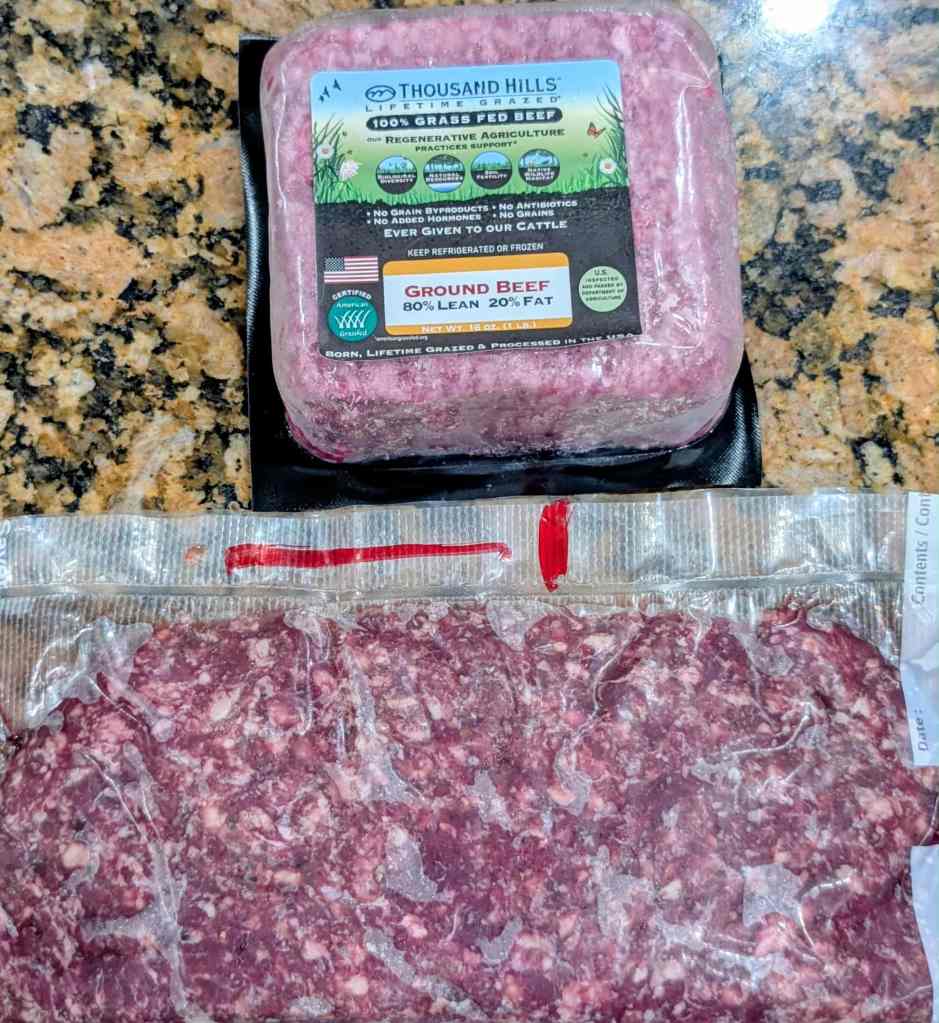
For this recipe, I used a blend of ground deer meat and ground beef to achieve the perfect balance of fat and flavor. I started with the Best Ever Venison Meatballs recipe as a guide, but made a few tweaks to suit our preferences.
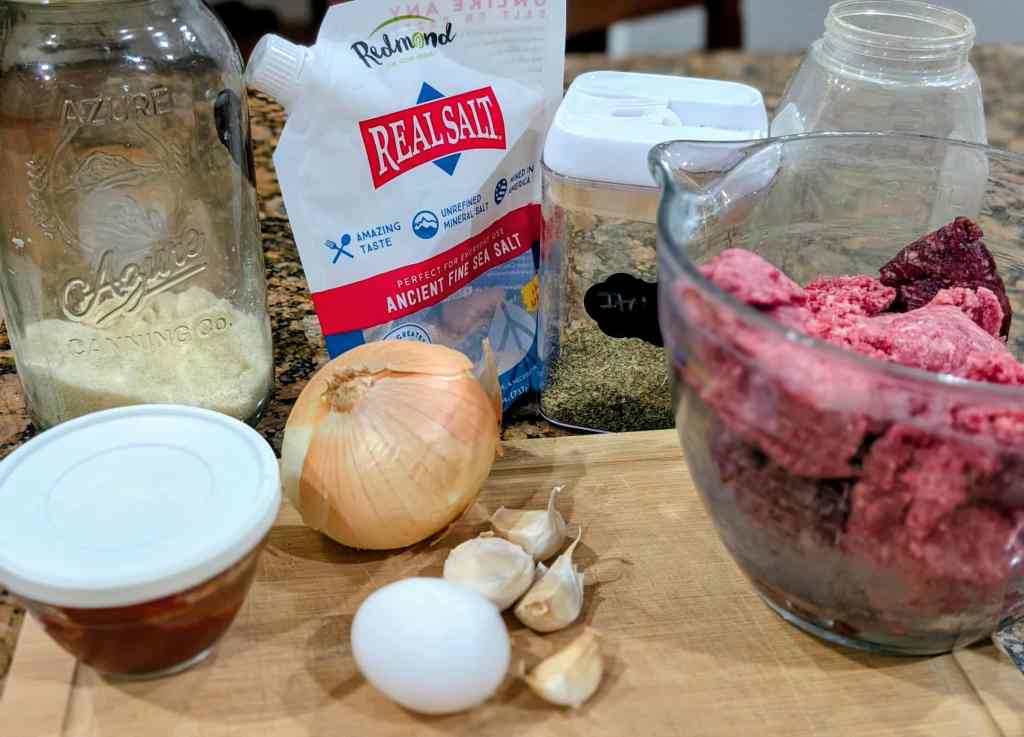
The original recipe calls for a whole onion (I used half), garlic, red wine, Italian seasoning, salt, pepper, venison, ground pork, an egg, and almond meal. Since we don’t eat pork, I substituted 1 pound of ground beef for the ½ pound of pork. I also added tomato paste for depth and richness.
Unfortunately, our oven was out of commission, so we cooked the meatballs in a cast-iron skillet instead of baking them. They still turned out beautifully tender, flavorful, and juicy. Next time, I’ll add a splash of Worcestershire sauce for that extra savory tang (my favorite brand is Portlandia Foods from Azure Standard).
The Meatball Mixture
To make these meatballs, I combined:
- 1 lb ground venison
- 1 lb ground beef
- ½ onion, finely diced
- 4 cloves garlic, minced
- 1 Tbsp Italian seasoning
- 1 tsp salt
- ½ tsp pepper
- 1 egg
- ¼ cup almond meal
- 1 Tbsp red wine vinegar
- 1 Tbsp tomato paste
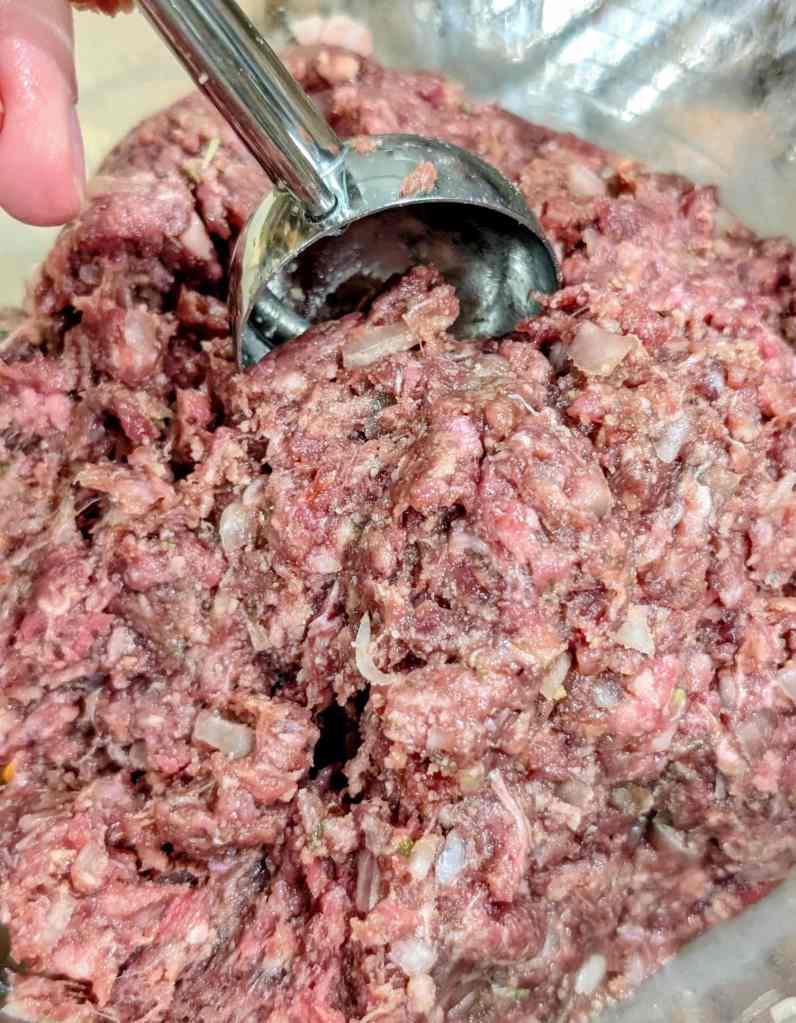
Blending lean venison with beef adds healthy fat and helps tame the wild flavor. I mixed everything until well incorporated, then let it rest for a few minutes to allow the flavors to balance before forming the meatballs.
Cooking Method
Using a small cookie scoop, I shaped about 36 meatballs. In a cast-iron skillet, I heated 1 tablespoon of avocado oil and 1 tablespoon of ghee over medium heat, then browned the meatballs in batches, making sure they had plenty of space to cook evenly.
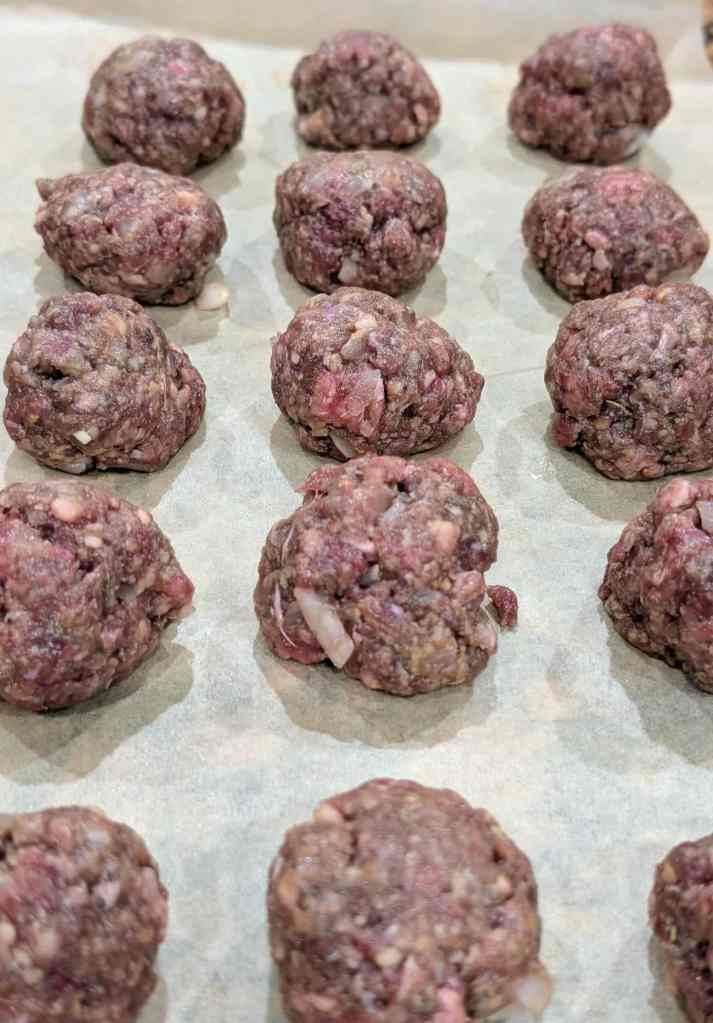

Turn the meatballs as they brown, checking that the internal temperature reaches 160°F for safety.
Serving & Storing
We enjoyed half of the batch right away, served over gluten-free spaghetti with a spicy Arrabbiata sauce. It was absolutely delicious and full of flavor. The remaining meatballs cooled completely before being vacuum-sealed with our FoodSaver and frozen for easy weeknight meals.

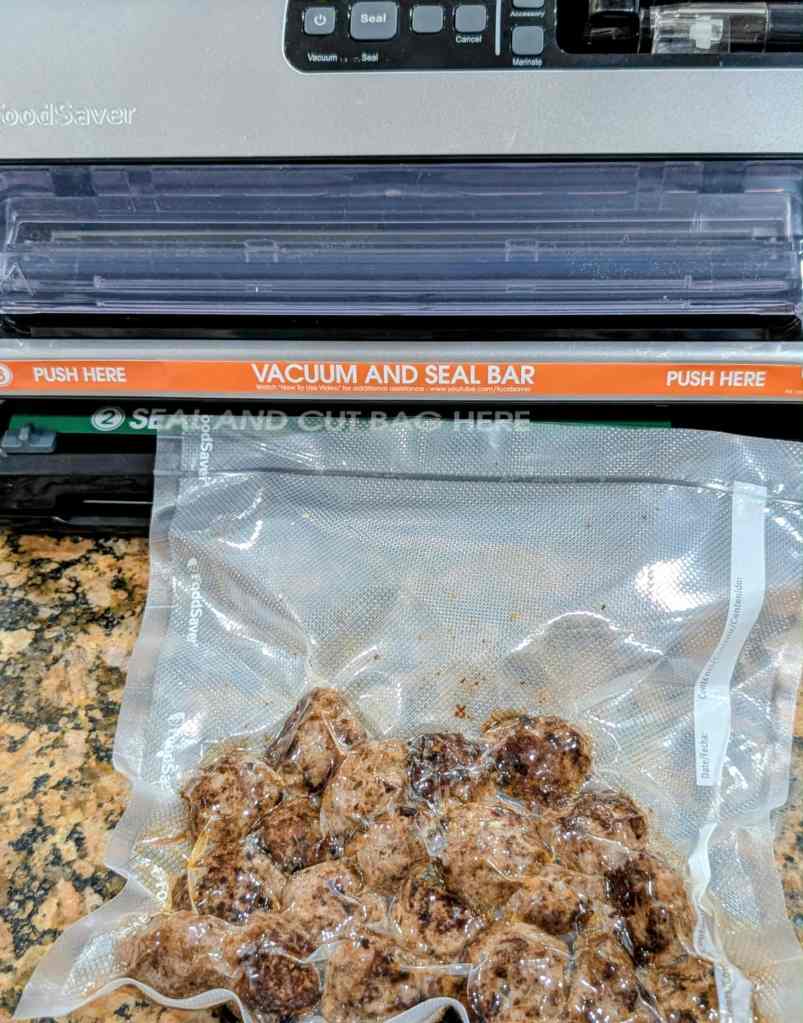
These versatile meatballs are perfect for spaghetti, subs, or meal prep, and they’re one of the best ways to cook deer meat for the whole family.
By the way, I buy the gluten-free pasta and Arrabbiata sauce from Thrive Market. You can get 40% off your first order with this link.
Recipe #3: Venison Chili
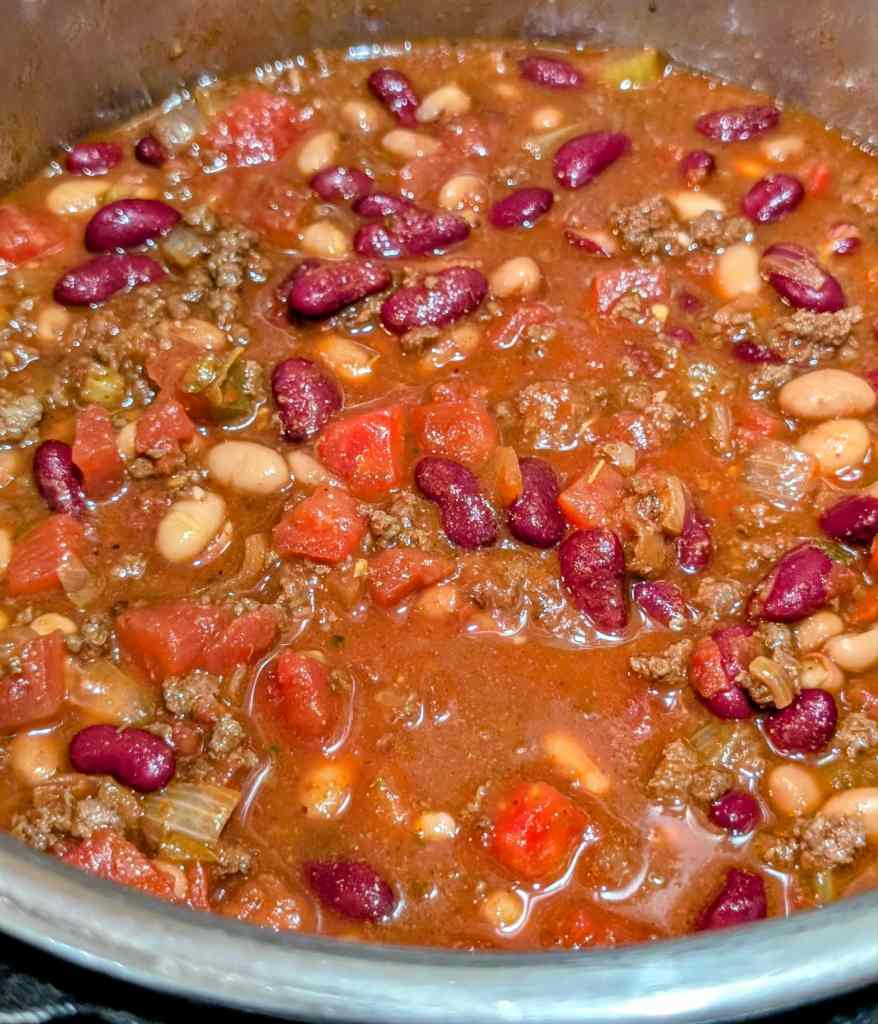
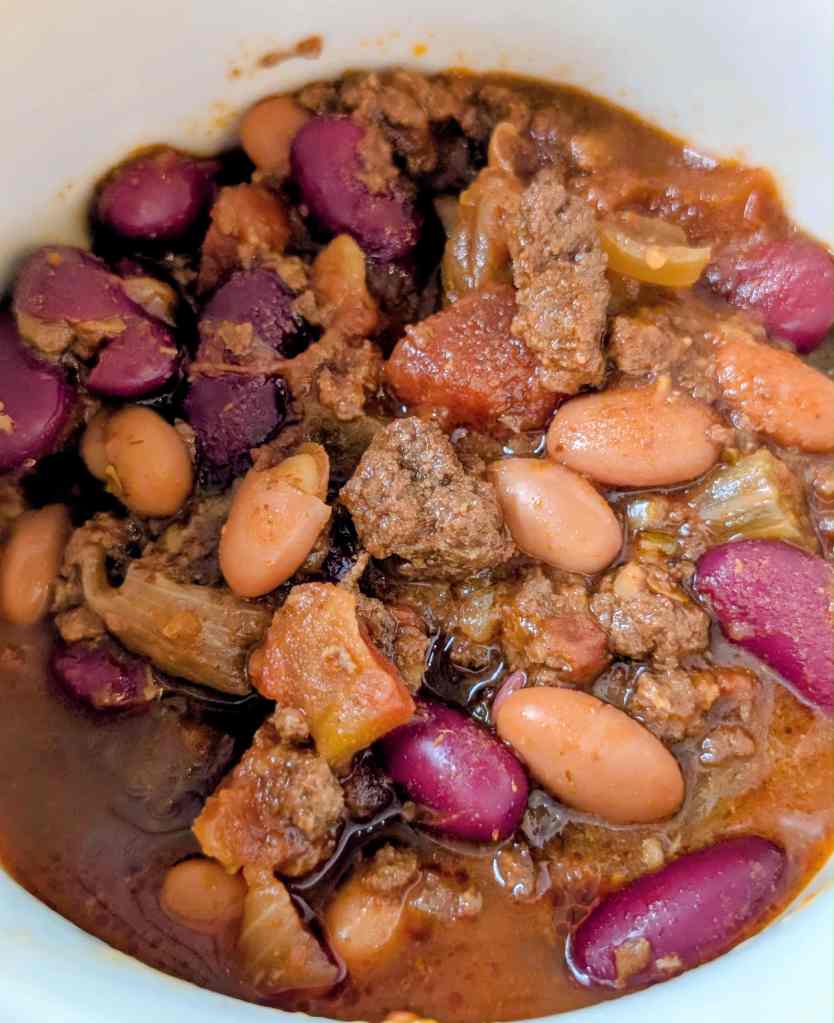
Many people in our Biblical roots homesteading and homemaking group said chili is one of their favorite ways to cook venison, and I have to agree. This recipe marks only the second time I’ve ever tasted venison chili, and honestly, it tasted just like beef chili. I could hardly tell the difference between deer meat and beef!
This hearty chili is a perfect way to use ground venison from your freezer stash and makes a comforting, protein-rich meal for gatherings or family dinners.
I used the ingredient list from Culinary Hill’s Venison Chili as inspiration, but went a little rogue to match our family’s flavor preferences. I made this particular pot for a Friendsgiving-style, Sabbath get-together, and everyone enjoyed a cup. I made a second batch for another gellowship get-together, and it was a hit!
It’s also straightforward to make. Using a pressure cooker or Instant Pot, you’ll sauté the aromatics, brown the meat, and let the spices and tomatoes meld together. The Worcestershire sauce (I love the one from Portlandia Foods via Azure Standard) balances the flavors beautifully.
Ingredients
- 2 Tbsp olive oil
- 1 Tbsp ghee
- 1 onion, diced
- 4 ribs of celery, diced
- 8 cloves garlic, minced
- 1 lb ground venison
- 4 Tbsp Worcestershire sauce
- ¼ cup chili powder
- 2 Tbsp ground cumin
- 1 Tbsp dried oregano
- 1 tsp smoked paprika
- 2 pinches cayenne pepper
- 2 tsp dried thyme
- 1 tsp ground coriander
- 1 tsp salt
- ¼ tsp black pepper
- 2 (15.5 oz) cans kidney beans, drained and rinsed
- 2 (15.5 oz) cans pinto beans, drained and rinsed
- 2 (10 oz) cans Rotel diced tomatoes with green chiles, undrained
- 2 (16 oz) cans tomato sauce
- 1 bay leaf
Instructions
1. Sauté the aromatics
Set the Instant Pot to Sauté (or Sear) mode. Add olive oil and ghee. Once hot, add the onion, garlic, and celery, cooking until they are translucent and fragrant.
2. Brown the venison
Add the ground deer meat and brown evenly. Splash in Worcestershire sauce to enhance the flavor and mellow any wild game flavor.
3. Add vegetables and spices
Stir in chili powder, cumin, oregano, cayenne, thyme, coriander, paprika, salt, and pepper. Mix until everything is well combined and aromatic.
4. Build the chili base
Add the beans, diced tomatoes with green chiles, tomato sauce, and bay leaf. Stir well to combine.
5. Pressure cook
Secure the lid and set the Instant Pot to the Chili, Stew, or Soup function. Cook until the chili thickens and the flavors have melded, about 30-40 minutes total, including the time for pressure build and release.
6. Serve and enjoy
Ladle the hot venison chili into bowls or mugs. Top with your favorite garnishes, such as shredded cheese, chives, or gluten-free crackers.
Recipe #4: Venison Backstrap Birria Tacos
I’d heard that using venison for Birria is a popular preparation method, especially with venison backstrap. Chef Hank Shaw has a highly recommended version that’s often cited as one of the best ways to cook wild game, but I didn’t have all the ingredients on hand. It’s definitely one I want to try next time.
For this meal, I opted for a more approachable but still flavorful version of Backstrap Birria using the Easy Birria Venison Tacos recipe as my guide. I followed their ingredient list closely, but chose to use my PC Quick Cooker/Instant Pot instead of the slow-cooker method. The result was incredibly tender meat, perfectly seasoned and ideal for weeknight tacos.
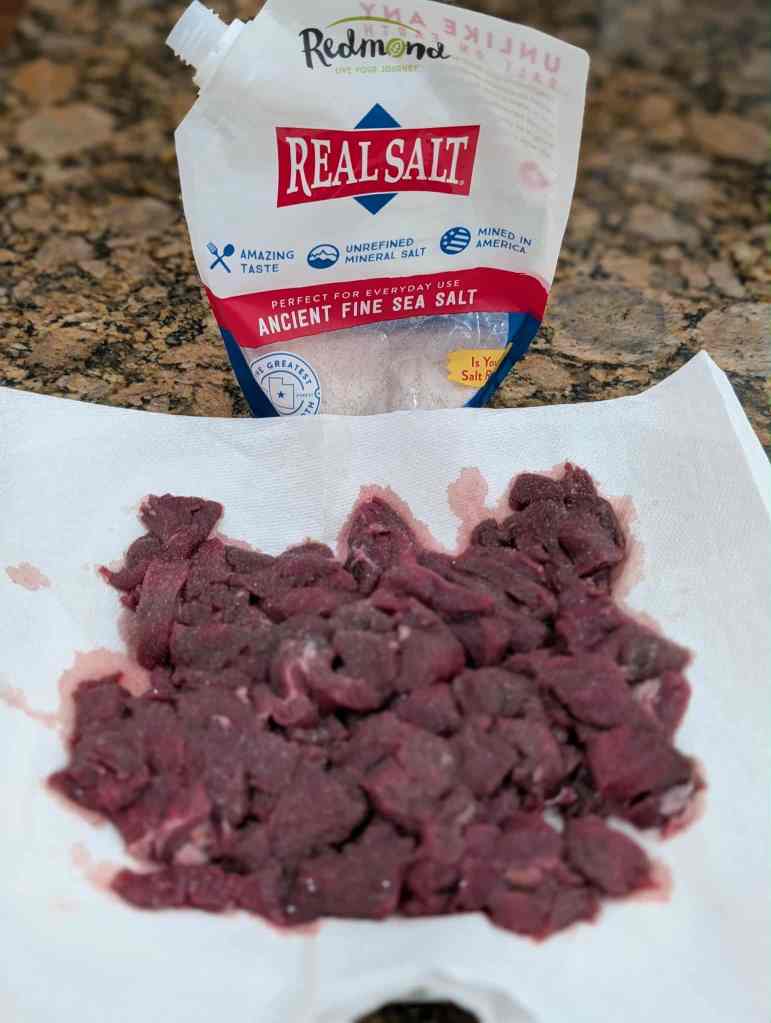
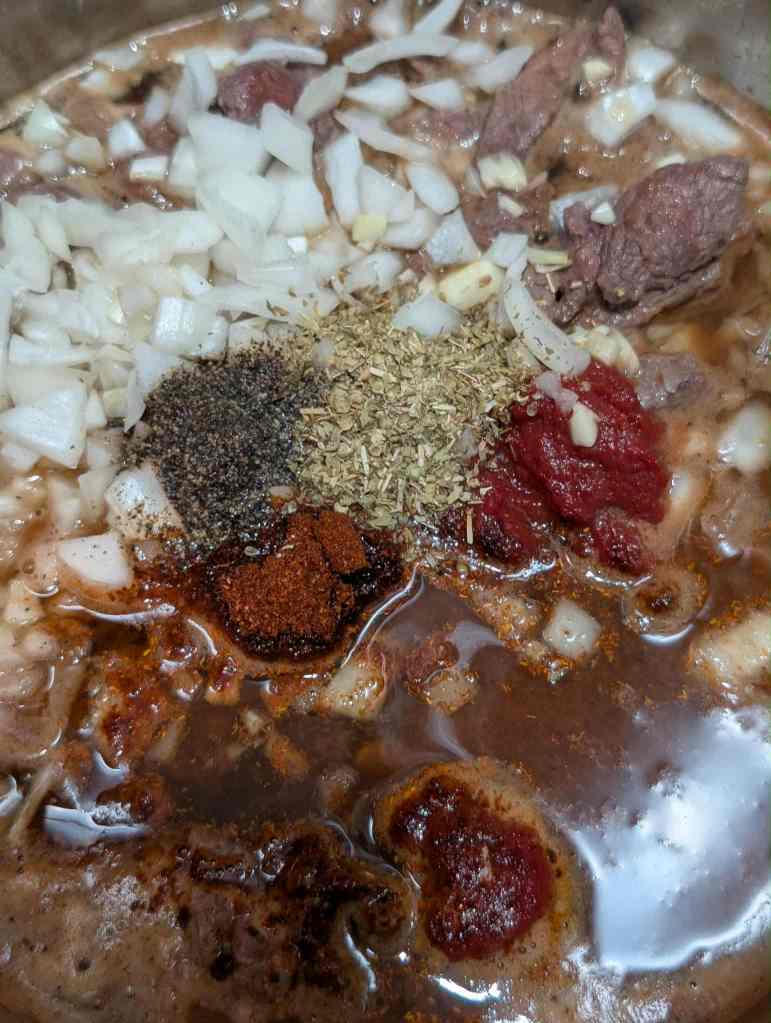
To start, my husband carefully removed the silver skin and cut the venison backstrap into 1-inch cubes. This prep step helps break down tougher muscle fibers and ensures a tender final texture. The meat was then pressure-cooked in a rich broth made with beef stock, tomato paste, lime juice, and warm, savory spices like chili powder, oregano, salt, black pepper, and finely diced onion.
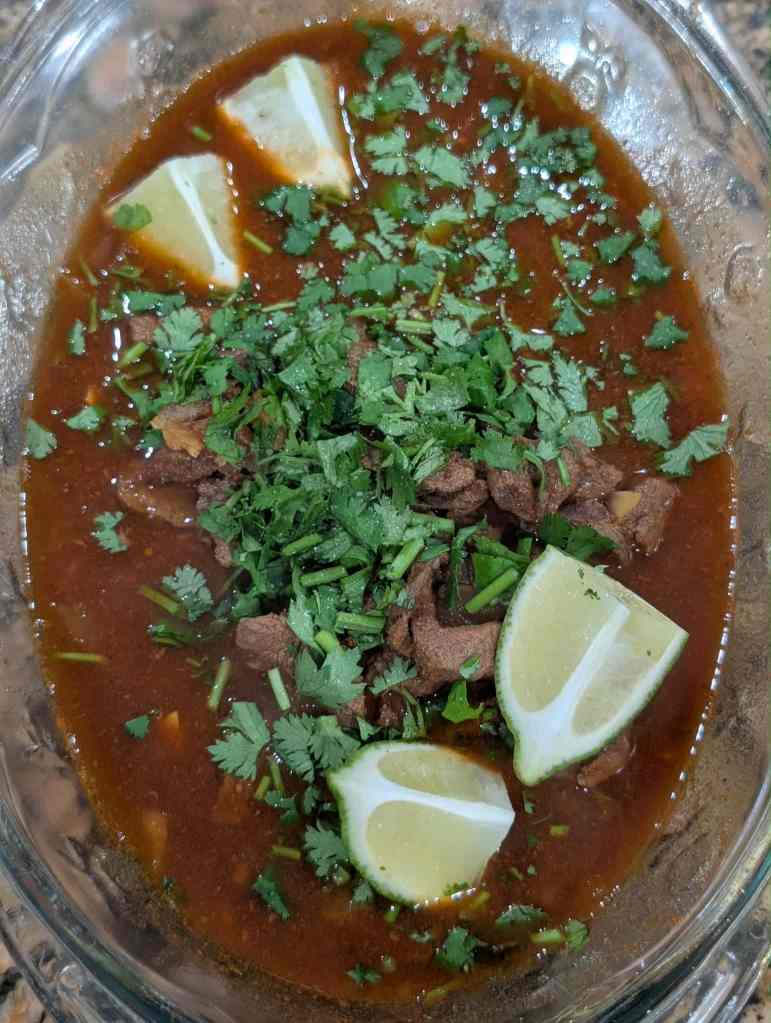
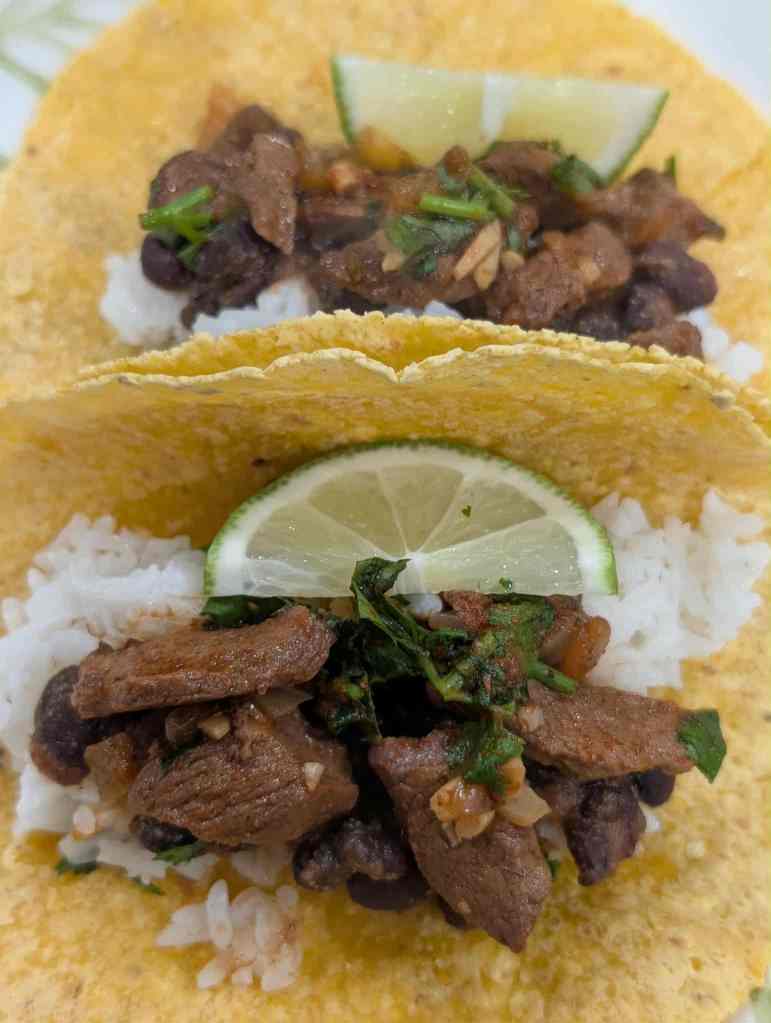
Once cooked, the venison was topped with fresh cilantro and used as a flavorful taco filling in warm sprouted corn tortillas. We served it alongside cilantro lime rice, beans, and extra lime wedges for a delicious meal that felt both comforting and special, a great way to use one of the most prized cuts of meat from our deer.
Recipe #5: Breakfast Sausage Patties
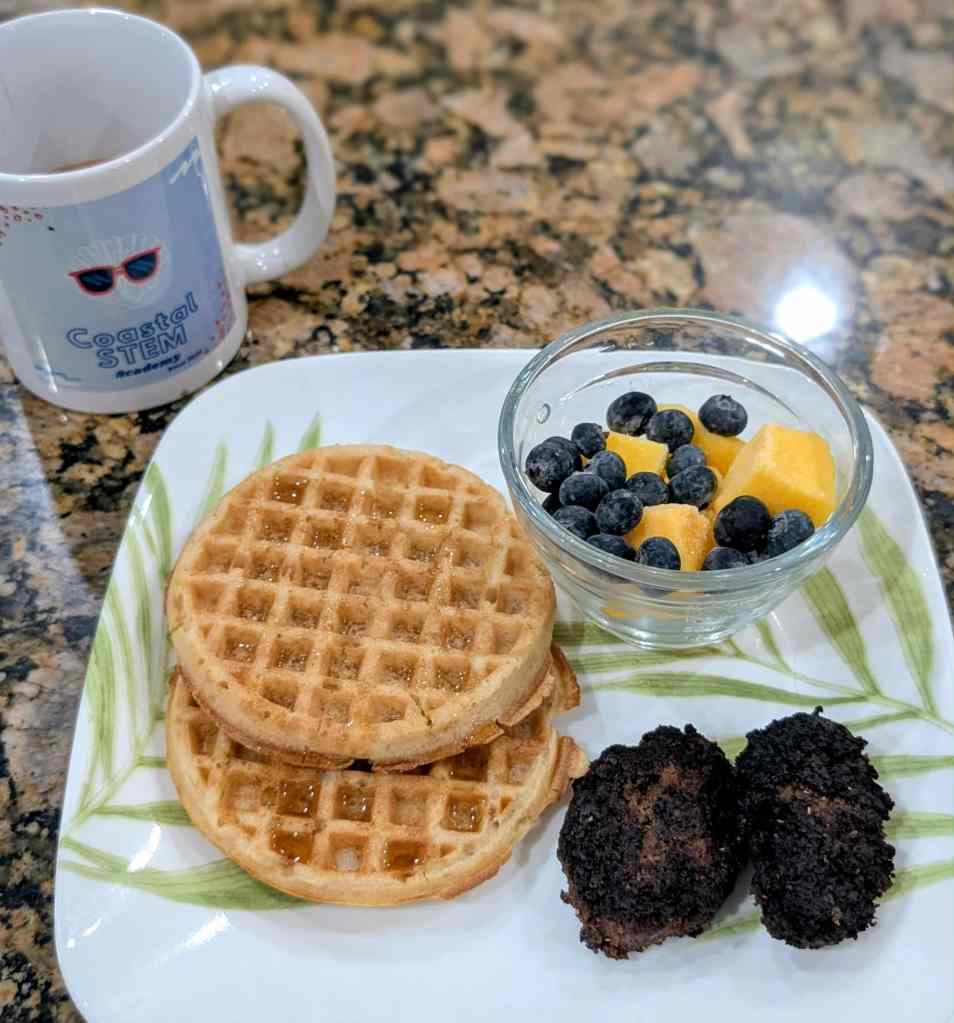
Venison isn’t just great for dinners; it also makes an excellent high-protein breakfast meat. Most venison sausage recipes call for pork fat and seasoning blends that often contain MSG. We’re pork-free and prefer natural ingredients. I created these clean, all-natural venison breakfast sausage patties using beef tallow for moisture.
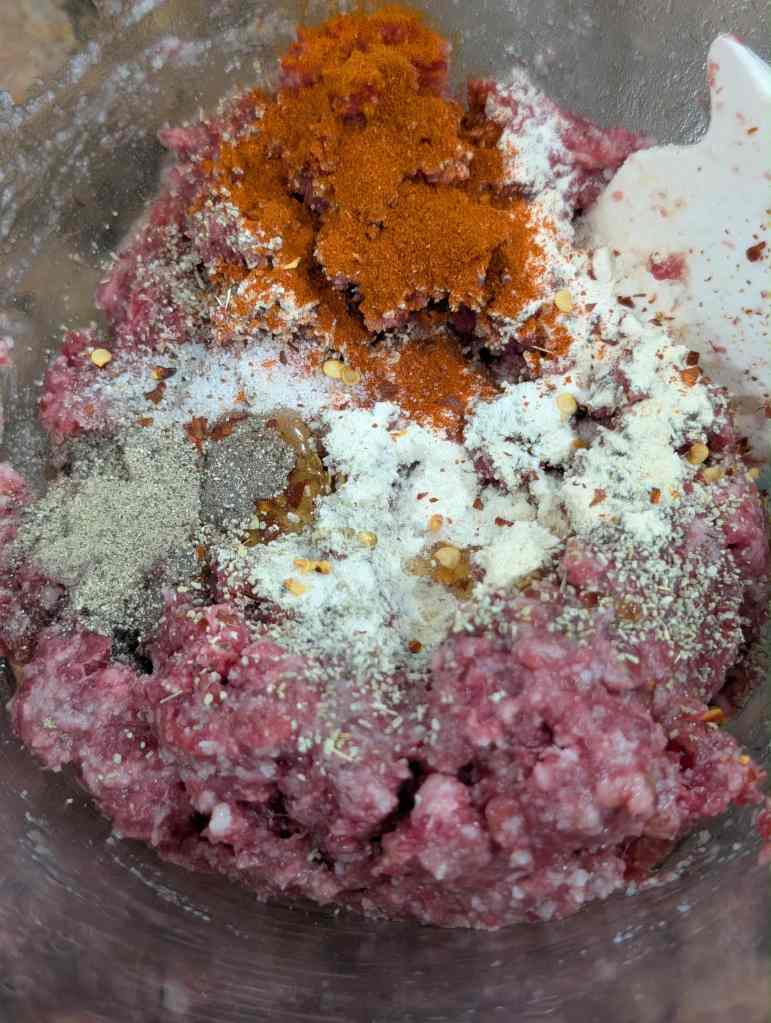
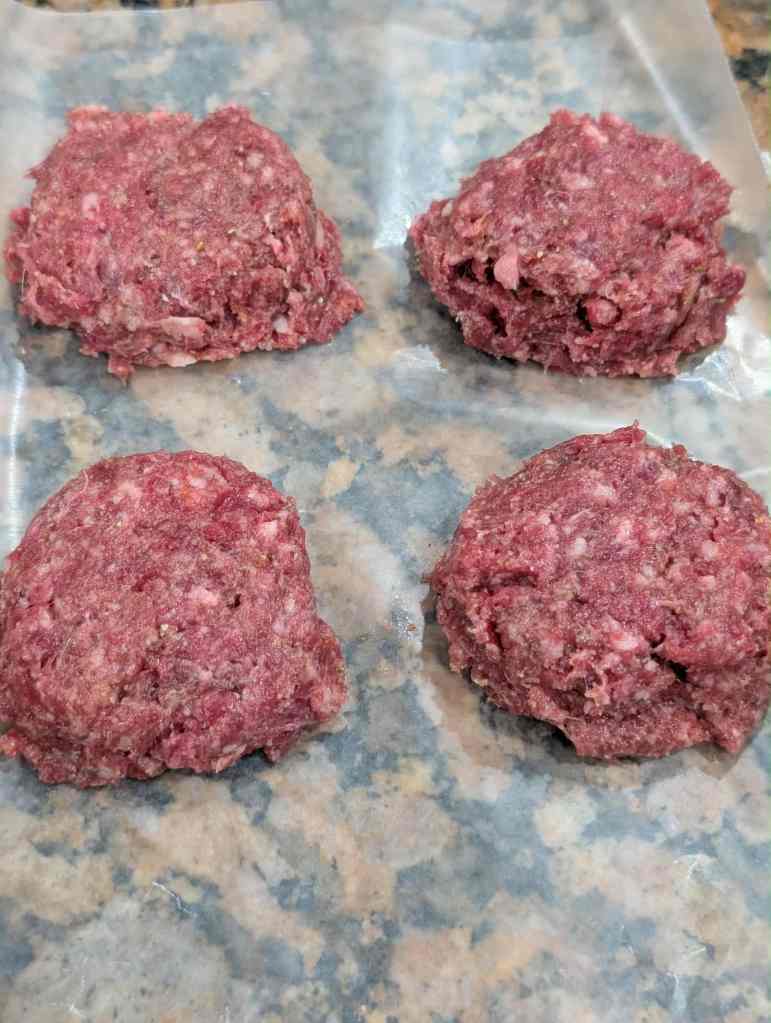
Because venison is so lean, adding fat is essential. I used 1 lb of ground venison with 4 oz of beef tallow to create a roughly 75/25 blend, keeping the patties juicy while letting the venison’s natural flavors shine. I added warm breakfast spices and a touch of maple syrup, formed the patties, and let them rest overnight to allow the flavors to develop.
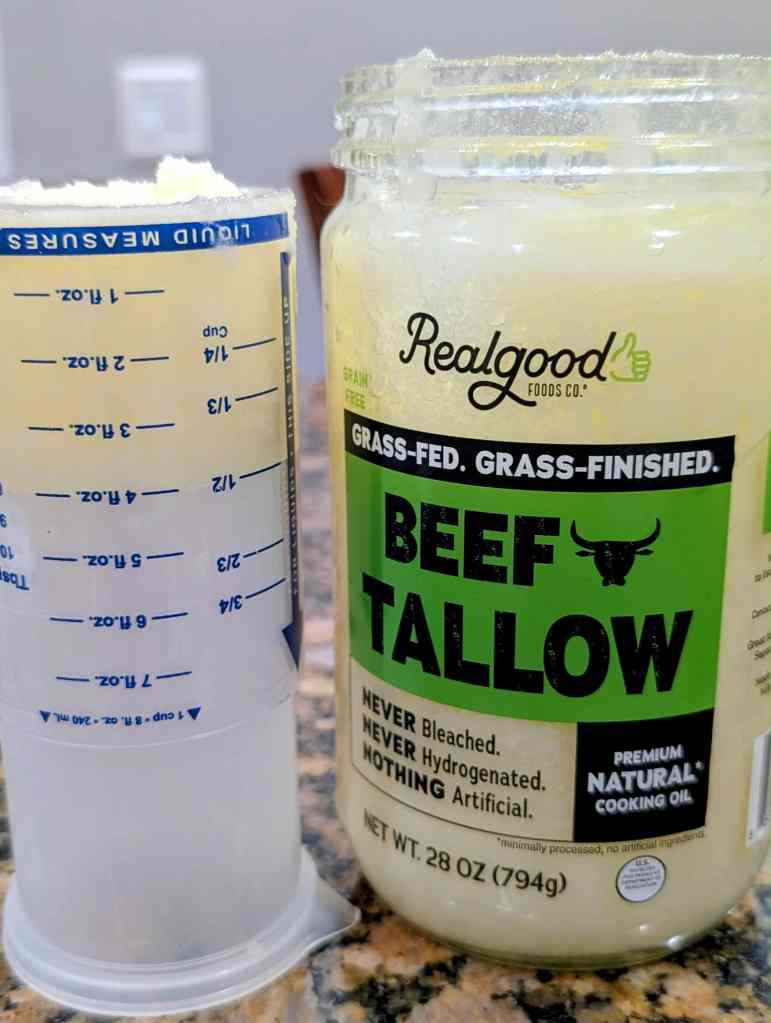
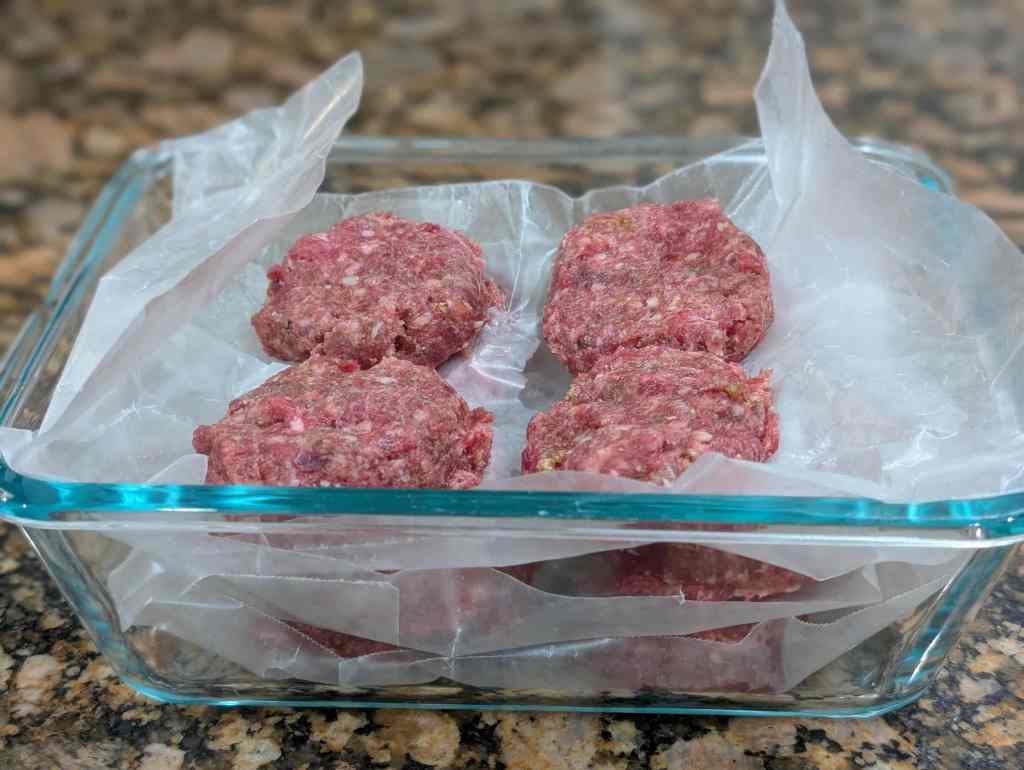
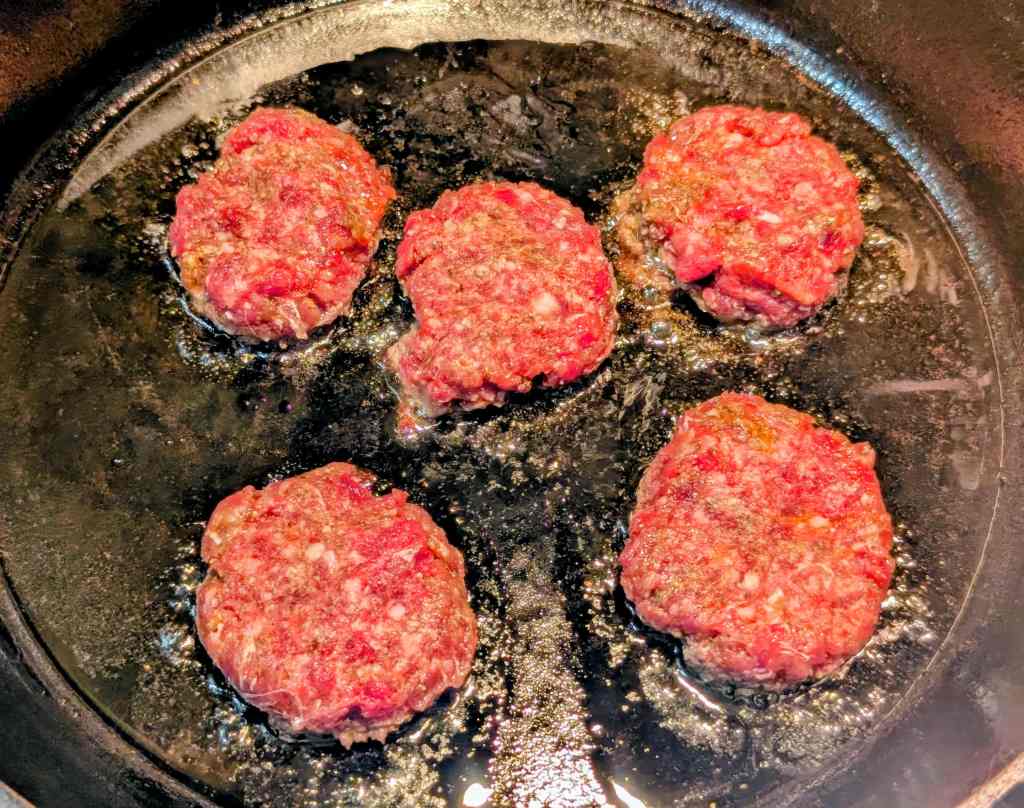
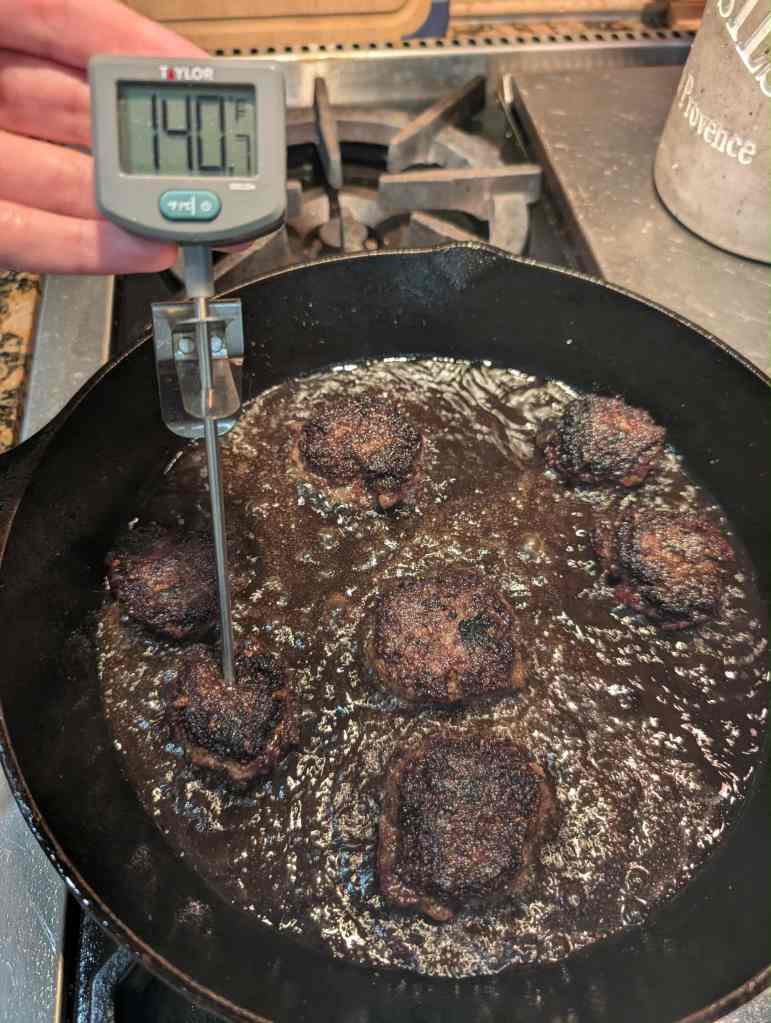
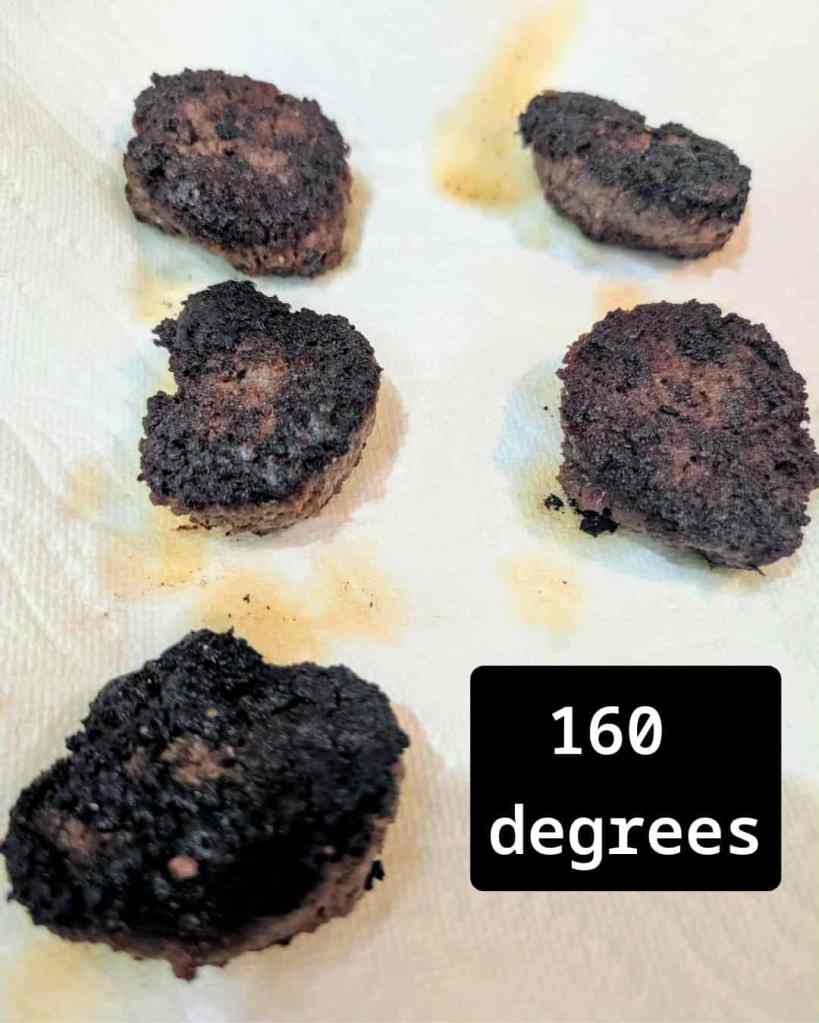
The next morning, I heated a cast-iron skillet with a light drizzle of olive oil and cooked the patties for 4–5 minutes per side. I tested two doneness levels: 140°F for medium-rare and 160°F for well-done, using a meat thermometer to get the internal temperature just right. This batch made 12 patties, perfect for breakfasts or freezer meals.
Breakfast Sausage Patties — Recipe
Ingredients
- 1 lb ground venison
- 4 oz beef tallow
- ½ Tbsp dried sage
- ½ tsp garlic powder
- ½ tsp onion powder
- ½ tsp smoked paprika
- ½ tsp salt
- ¼ tsp black pepper
- 2 pinches red pepper flakes
- ⅓ Tbsp maple syrup
Instructions
- Combine venison and beef tallow.
- Add all seasonings and maple syrup; mix well.
- Refrigerate overnight for the best flavor.
- Form into 10–12 patties.
- Heat a cast-iron skillet with a slight drizzle of olive oil.
- Cook 4–5 minutes per side, until the internal temperature reaches 140°F (medium-rare) to 160°F (well-done).
Final Thoughts: Cooking Venison with Confidence
After experimenting with different cuts of venison and a variety of cooking methods, I feel much more confident — both in my husband’s ability to hunt and in my own ability to prepare venison well.
My two favorite cuts quickly became ground venison and backstrap. Ground venison is incredibly convenient and can be used almost anywhere you’d typically use ground beef, making it one of the easiest ways to work venison into everyday meals. Backstrap, on the other hand, is wonderfully tender, more like a delicate slice of filet mignon than wild game.
My favorite recipe overall was the venison chili, which I made three times while writing this article. I’m already looking forward to the next pot as the winter months settle in. A close second was the backstrap birria tacos, which were flavorful, tender, and surprisingly approachable for a weeknight meal.
What I learned most through this process is that proper prepping techniques truly make all the difference. Taking the time to remove the silver skin, choosing the appropriate cut of meat, and using simple marinades or brines helps bring out the natural flavors of venison while minimizing any wild-game taste.
With a little bit of know-how, I believe anyone can make delicious meals from wild game like venison. So tell me — have you tried venison? What’s your favorite way to prepare it? And if you haven’t yet, I’d encourage you to give it a try.
Affiliate Disclosure:
This post contains affiliate links. That means I may earn a small commission—at no extra cost to you—if you make a purchase through one of these links. You can read the full disclosure [here]. Your support helps cover the cost of running Vintage Virtues and means so much.
 Vintage Virtues
Leave a comment