
Introduction: What is Purim and Why Celebrate?
Purim is a Jewish holiday that dates back to approximately 473-474 B.C., as recorded in the Book of Esther. Although it isn’t one of the original appointed Biblical Feasts listed in Leviticus 23, Purim was instituted in Esther 9:19-32 to commemorate the deliverance of the Jewish people from Haman’s plot to destroy them. While it’s not a holiday typically celebrated by Christians or recognized as a standard American holiday, Purim offers valuable lessons for Christians as allies. In fact, Esther 9:27 states that the custom was for the Jews, their descendants, and for “all those who allied themselves with them.” This inclusion suggests that celebrating Purim can be a meaningful way for Christians to connect with biblical history and the faithfulness of God, as allies to the Jewish people.
We’ve celebrated Purim with our homeschool co-op students for the past two years. The first year, we held a lesson for the middle school-aged group; the second year, we celebrated with the 9-10-year-old pre-tweens. This year, we’ll be hosting a combined celebration for the middle and high school students.
Our goal in celebrating Purim at a Christian co-op is to help students learn about Jewish culture, history, and the story of Esther in a hands-on and engaging way. We encourage students to dress up in non-scary costumes (just about any costume is fine—search “Purim costumes” for ideas) and to bring a Mediterranean or Jewish-inspired snack to share.



Understanding Purim from a Christian Perspective
According to the Messianic Times, “Purim celebrates the triumph of courage, faith, and unity over oppression and persecution. The holiday reminds us of the importance of standing up against injustice and trusting in divine providence, even when faced with seemingly insurmountable odds.
The hidden nature of G-d is a central theme in Purim; His name is not mentioned in the book of Esther, yet His presence is woven throughout. It speaks of how G-d works through people in their everyday lives, just as He did through Esther and Mordecai.”
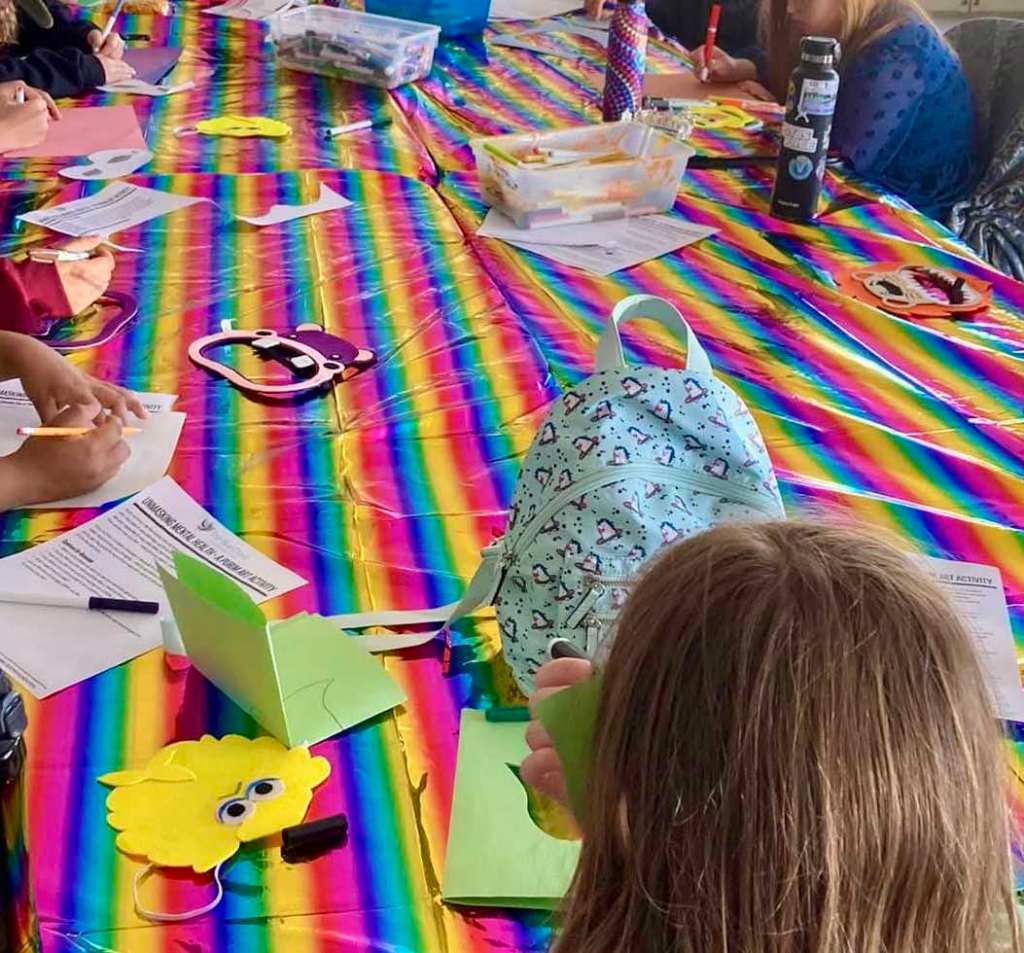
Each year, our students learn about the story of Esther and how God used her bravery to save the Jewish people. We also incorporate a mask activity to explore the idea of the “masks” we wear in our daily lives and what God’s truth is about who we are underneath those masks. This activity ties into a Christian worldview by encouraging students to embrace their true, God-given identities.
Planning the Purim Party: Food, Fun, and Faith
Mediterranean-Style Potluck
For the social component, we suggest a Mediterranean-style potluck with dishes like olives, hummus, pita, grapes, nuts, falafel, and grape juice or cider. Of course, no Purim celebration would be complete without Hamanstachen cookies. You can find a delicious recipe for them here.


Reading the Megillah
Traditionally, Jewish families read the Megillah (the Book of Esther) on Purim Eve and Purim Day. During the reading, participants use graggers (noise makers) to drown out Haman’s name with boos and cheer joyfully for Esther’s name. This interactive tradition helps bring the story to life for all ages. Consider having students take turns reading parts of the story to keep them engaged. Here is a free, printable Megillah with Hebrew and English translation. You can also read Esther 1-10 in the Bible.
Unmasking the Heart: A Mental Health Tie-In Activity
Activity Overview
Inspired by Esther’s concealed identity, this activity explores the emotional facades we wear. The “Unmasking Mental Health” activity encourages students to reflect on what they hide from others and the truth of how God sees them. You can find the free, printable activity here.
Instructions: Creating the Masks
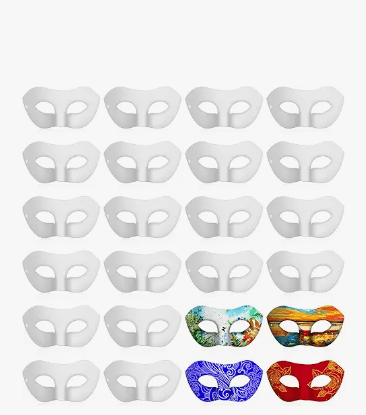
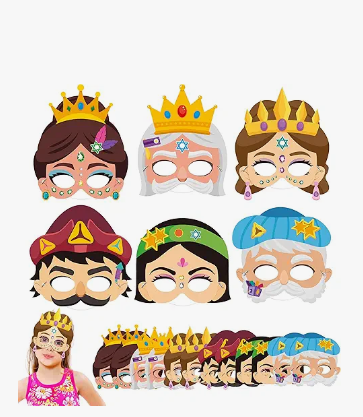
- Print the mask templates provided in the link above or purchase blank masks from a party supply store.
- Provide materials like markers, paint, jewels, feathers, foam pieces, and stickers for decorating.
- Encourage students to write hidden truths, fears, or talents on the inside of their masks.
- Offer an optional sharing time for students to reveal what they wrote inside their masks. This time of sharing helps build a sense of community and support.
For Younger Kids: Simplifying the Story and Activities
Telling Esther’s Story
For younger children, adapt the story of Esther to a shorter, age-appropriate version, focusing on the main events and themes. Encourage participation by prompting them to cheer for Esther and boo for Haman at key moments.
Fun Purim Mad Lib for Kids
A short, themed Mad Lib is a fun way to engage younger students. Here’s an example:
Mad Lib:
“Queen Esther was very (adjective) when she went before the king without being called. Haman’s plan was to (verb) all the Jews, but Esther’s bravery helped (verb) her people. To celebrate, they made (plural noun) and gave (plural noun) to each other!”
This activity is light-hearted yet reinforces key elements of the Purim story.
Bringing It All Together: Lessons from Purim
Reflect on the key themes of faith, courage, and embracing our true selves, made in the image of God. Encourage families to discuss these lessons at home and to look for opportunities to act with courage and faith in their own lives. Ending the party with a prayer or a group discussion on trusting God’s timing can help reinforce these themes.
Conclusion
Celebrating Purim with faith-centered activities offers a unique way for Christians to explore the rich history and lessons of the Bible. We hope these ideas inspire you to host your own Purim celebration. If you do, we’d love to hear about it—share your experiences in the comments!
Don’t forget to subscribe for more faith-based homeschool content and party ideas!
Affiliate Disclosure: I may earn a small commission on qualified purchases from products linked in this article. I only share products that I believe are valuable to you, and this helps sustain the efforts of this blog. Affiliate Disclosure and Current Partners List.

 Vintage Virtues
Leave a comment