
Historically, there has been a shift from the patriotic obligation of maintaining two chickens per person in a household to the current practices of factory farming and mass culling of birds. But the tide is changing. As of January 2024, there are approximately 85 million backyard chickens in the United States, making them the third most popular animal in the nation. According to the American Pet Producers Association, 13% of American households now raise chickens.

A Day of Chicken Processing at Ancient Paths Homestead: A Step-by-Step Guide
We recently visited our friends at Ancient Paths Homestead for a full day of processing chickens for meat. Upon arrival, our hosts had already set up stations to streamline the processing activities, with an experienced processor on hand to direct us. We began just after 10 a.m. and concluded around 5 p.m., processing 18 birds.
Processing your own chickens offers several benefits. It’s reassuring to know that these chickens were well cared for and fed nourishing feed. They were free from factory farming, overcrowding, artificial chemicals, injections, and chlorine dips. During the processing, gentle and quick procedures were made to minimize suffering. Each carcass was thoroughly inspected to ensure the healthiest chicken meat possible.
This article will walk you through the preparation for processing, the butchering and packaging process, and conclude with some post-processing thoughts. I’ll also link to recipes for your freshly processed chicken. Embedded are photos and video from the process.
Preparation for Processing
The first step is to obtain chickens! Our friends purchased 25 Freedom Rangers meat birds and raised them for 16 weeks, the optimal age for processing for meat. Before processing day, they gathered the necessary supplies:
- (2) Knife with sharp blade
- Poultry shears
- Killing cone
- (3) Ice chest with cooler liner
- Cold water and ice
- Plastic bags and cable ties
- Latex gloves
- Plastic covers for work surfaces
- Large propane-fueled pot and propane
- Disinfectant spray
- Chicken Plucker (not necessary but very helpful to speed up the process)
On the day of processing, the area was set up with tables, kill cones, buckets, ice chests, a pot with propane-fueled scalding water (150-170 degrees), a chicken plucker, disinfectant spray, and a fresh water and soap wash station.
To ensure food safety and animal welfare, the chickens were left in their natural habitat until they were taken two at a time for processing. Sanitation was maintained at each station. Between each butchering and processing station, the tables were washed off and disinfected. A system of coolers was set up to manage the workflow. As each plucked chicken reached the processing station, its cavity was gutted and washed out. It then went into the first water bath cooler, awaited a second rinse, and was finally placed in an ice cooler before a final rinse and packaging.


Butchering
First Step: Slaughtering Process
The method of slaughtering used involved kill cones and carotid artery cutting, considered the most humane way to slaughter chickens. The chickens were placed headfirst into the kill cone, which calms them as the blood flow causes them to lull into a sleep-like state. A very sharp knife was used to quickly slice through the chicken’s carotid artery. A bucket was placed below to catch the drained blood. Chickens don’t actually have much blood, but they were left for about a minute to ensure thorough drainage.
In Genesis 9:4, it is stated that an animal should not be eaten with its lifeblood still in it. This is reiterated in Acts 15, where believers are instructed to abstain from the blood in meat. Blood represents life and carries pathogens. Even scientists and the USDA confirm that consuming raw or undercooked meats may increase the risk of foodborne illness, proving the wisdom of these commandments.
Scalding and Plucking
After the chickens were slautered, they were moved to the next station for scalding and plucking. The propane fueled large pot was heated to a scalding temperature of 170 degrees, in which the bird was repeatedly dunked for about 15-20 seconds. This process kills bacteria and also loosens the feathers for plucking. For easier feather removal, we utilized a mechanical chicken plucker, like this one. This drum plucker massively sped up what would have been a tedious process of hand-plucking feathers.
Evisceration
Once the chickens were fully de-feathered, they moved to the processing area. The chicken’s head and feet were removed. Each body cavity was carefully dissected to remove the internal organs and glands, and to inspect for any issues. All of the organs were removed and separated out for various uses. The most sensitive areas are the gall bladder and bile duct, as these contain waste with higher levels of bacteria. With one chicken, the bile duct did burst. We immediately stopped and began sanitizing. This station was washed with clean water and sanitized with disinfectant between every use. The chickens were thoroughly rinsed and then went into their first water bath to soak, which removed more of the blood.
Final Cleanup and Packaging
Once the next batch of chickens was processed, the previous set was removed from the first water bath, rinsed again, and placed into a second icy water bath, while the next batch went into the first cooler. Finally, the chickens were given a third rinse and packed into an ice cooler to await final inspection and packaging. We completed all of the rinse and cooler storage cycles for each of the birds before moving into the final stages of packaging. Each bird received a final cavity inspection before being placed into individual plastic bags for sealing.
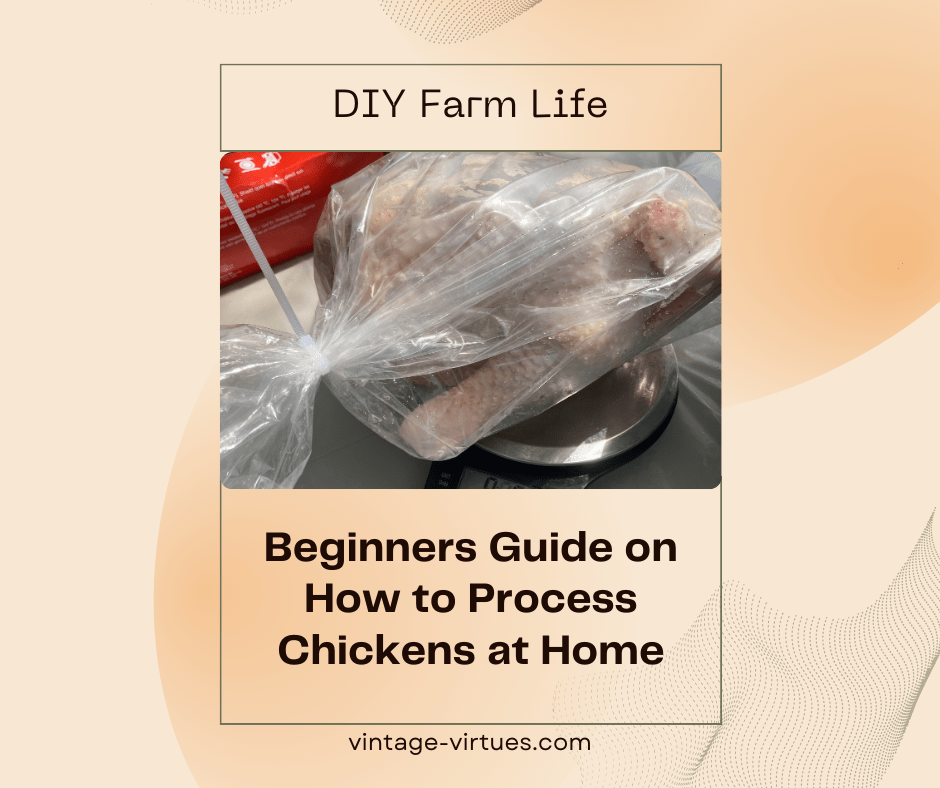
While I did bring a vacuum sealer, we opted to package the whole bird, rather than cut them up for parts. The chickens were placed one by one into poultry bags with a specialty straw and secured with a cable tie to be sealed in a pot of water at a temperature of 200 degrees. As each one was sealed, we moved them into freezer storage. Once all the whole chickens were sealed and stored in the freezer, we moved into final cleanup.
My friends sought to use every part of the chicken possible, giving thanks to the LORD for the animals’ lives that were given for our food. They kept all the parts they could use to make treats for their homestead dogs. Any unusable parts of the chicken were buried in the earth. Because we used plastic covers on each work surface, we were able to dispose of the majority of the mess easily. All the equipment was washed down.
Post-Processing Considerations
It was a successful day of processing, but it took longer than we anticipated. After the day was complete, we identified a few modifications that could make the process even more successful next time. For instance, we had to pause toward the end to send someone to the store for additional bags of ice. It would have been beneficial to have extra ice on hand. More hands would also have sped up the process; having additional people available could have allowed us to station individuals at each table to move the meat birds through more efficiently. We had four adults and two teenagers available to process the 18 birds. Additionally, we discussed modifying the way the kill cone was attached to the tree. While the cones were secured with screws, one did become loose during the process. The buckets were hung by nails, and we had a couple of buckets slip as well. Overall, though these were minor issues, the goal was still accomplished.
For anyone processing chickens, it’s crucial to ensure that chicken meat is stored at safe temperatures throughout the process. Refrigerate chicken intended for immediate use as soon as possible and freeze any chicken that will not be used within 2-3 days. The most important part of this process is to prevent foodborne illness by adhering to proper food safety protocols. Here are some key poultry food safety tips:
- Maintain Cleanliness: Ensure all surfaces, equipment, and hands are thoroughly sanitized before and after handling raw poultry.
- Proper Storage: Keep raw chicken refrigerated at or below 40°F (4°C) until ready to process. For longer storage, freeze at 0°F (-18°C) or lower.
- Avoid Cross-Contamination: Use separate cutting boards and utensils for poultry and other foods. Wash hands, utensils, and surfaces with hot, soapy water after handling raw chicken.
- Cook Thoroughly: Ensure chicken is cooked to an internal temperature of 165°F (74°C) to kill any harmful bacteria.
- Monitor Ice: Use plenty of ice to keep the chicken chilled during processing to prevent bacterial growth.
By incorporating these tips, you can enhance both the efficiency and safety of your poultry processing efforts.
Conclusion
In this detailed look at the entire process of processing chickens for meat, we’ve covered everything from preparation to final cleanup. Processing your own chickens for the first time can be a rewarding and educational experience, offering insight into how meat reaches the table while also ensuring that the chickens are raised and treated with care. Because of the great disconnect between people and their food sources, I truly believe it’s something everyone should experience. The day involved several stages, including slaughtering, defeathering, and final cleanup, each step crucial for maintaining food safety and ensuring the quality of the meat.
Processing chickens at home, particularly when they are raised on a local farm and given the freedom to roam, provides numerous benefits. Free-range birds tend to be healthier and their meat is often richer in flavor compared to conventionally farmed poultry. This approach not only supports better animal welfare but also results in a more wholesome and satisfying product for your family.
If you’re considering trying poultry processing at home, remember that proper preparation and a good setup are key to a smooth process. While it can be labor-intensive, the satisfaction of producing fresh, healthy bird meat and knowing exactly where your food comes from makes the effort worthwhile. The skills you gain and the quality of the meat you produce are valuable rewards for those who choose to embrace this hands-on approach.
Chicken Recipes and Cooking Tips
Now, here’s the fun part! If you’re looking to stretch your food budget without sacrificing flavor and nutrition, check out our article featuring three delectable chicken recipes and meal strategies designed to make the most of a whole chicken. From Kick’n Chicken Rotisserie Chicken with Turmeric Spinach Couscous to Cheesy Chicken, Spinach & Ranch Stromboli, and Warm and Comforting Homemade Chicken Noodle Soup, you’ll discover how to create multiple delicious meals from one high-quality chicken.
Dive in to pick up valuable tips for smart grocery shopping and pantry preparation. For more ideas on how to stretch your chicken and food budget, check out the article: One Chicken, Three Meals: Stretching Your Food Budget with Smart Cooking Strategies – Vintage Virtues (vintage-virtues.com)

Affiliate Disclaimer: This article has affiliate links. Qualified purchases from these links are appreciated and help offset the operating cost of the blog, at no additional premium to you. Thank you for your support. For a full disclosure, click here.

 Vintage Virtues
Leave a comment