
Book Review: What the Bible Says About Healthy Living
About the Author
The book is written by Rex Russell, M.D., considered the “Father” of the Biblical Eating Movement. Russell passed away at the age of 68 in January 2009. He was a board-certified Radiologist who attended Medical school at Baylor University College of Medicine and completed his Residency at The Mayo Clinic. He practiced at St. Luke’s Hospital and Regional Medical Center in Fort Smith, where he and his family made a home. The book is well endorsed by known Christian thought leaders such as Dennis and Barbara Rainey of Family Life Ministries, Dr. Bill Bright of Campus Crusade for Christ International, and Larry Burkett, Christian Financial Pioneer of Crown Ministries.
Synopsis
The book explores the premise that the answers to discovering God’s plan for feeling better and living longer are right in the Bible. It offers a definitive diet plan taken straight from God’s word. Dr. Rex Russell presents three practical principles that, when put into place, promise to help the reader improve physical and spiritual health. Despite being written in the 1990s, the book is a powerhouse of information and the forerunner of the Biblical Eating Movement. It has since inspired an updated 2006 edition, the companion, “What the Bible Says about Healthy Living Cookbook”, as well as “The Maker’s Diet” by Dr. Jordan Rubin.
Try Audible Premium Plus and Get Up to Two Free Audiobooks
Key Points
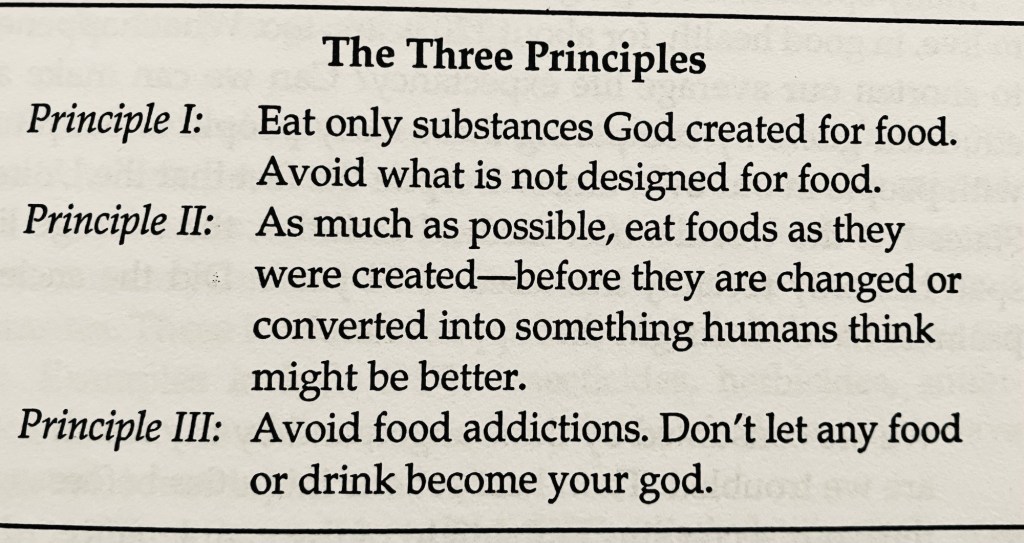
The book revolves around three main principles:
- Principle I: Eat the Foods God Created for You
- Principle II: Don’t Alter God’s Design
- Principle III: Don’t Let any Food or Drink Become Your God
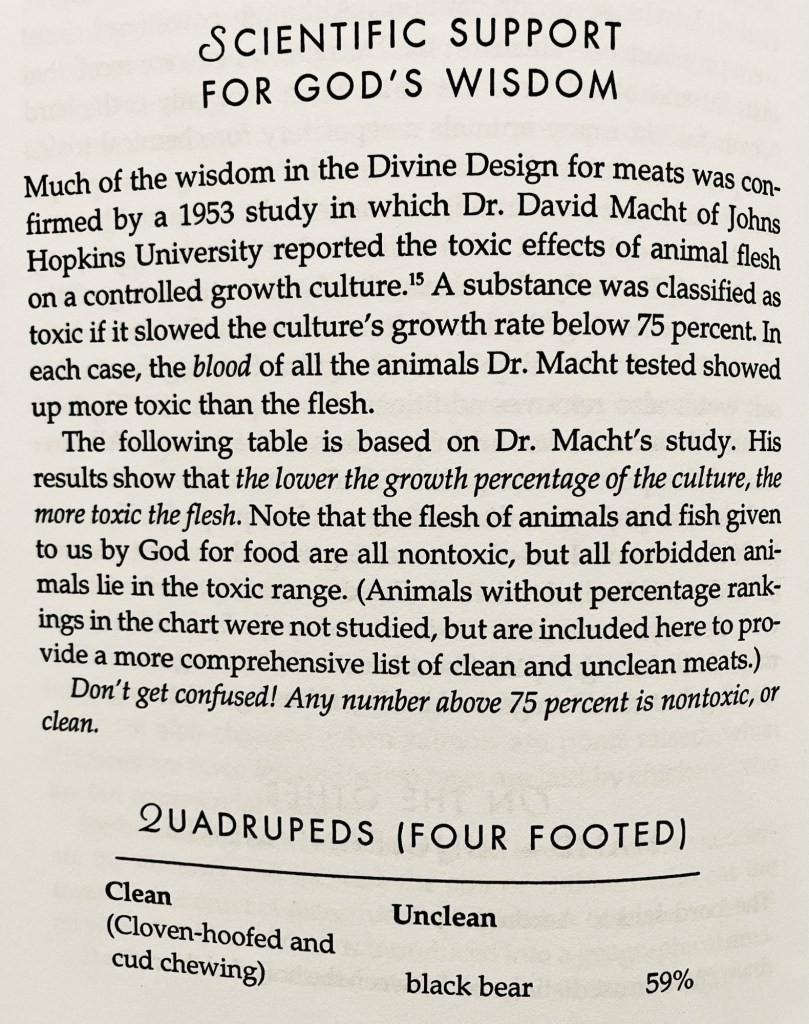
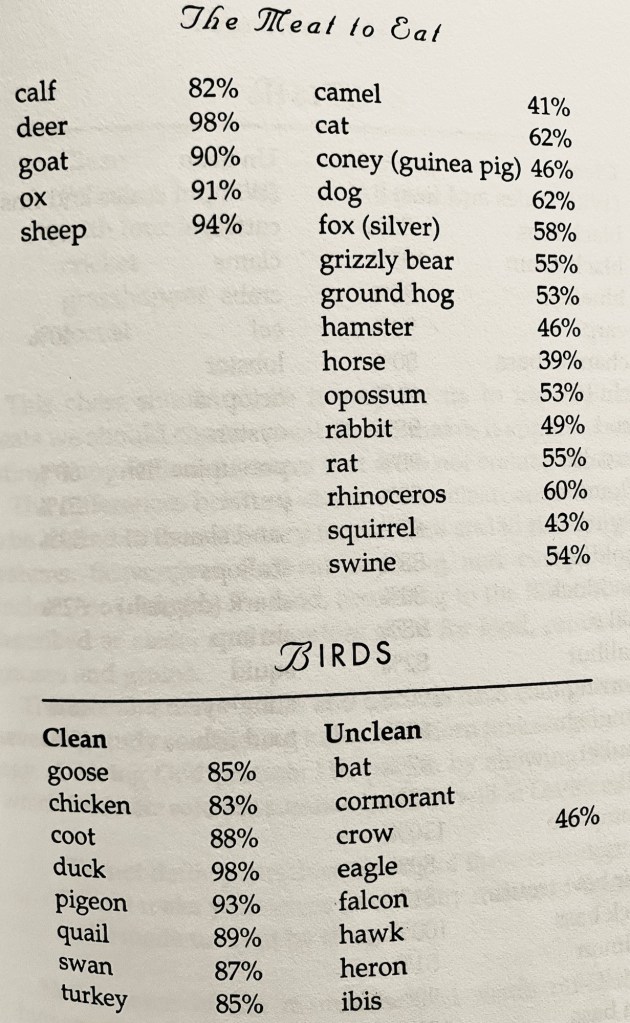
Dr. Russell opens by discussing why people get sick and shares the ailments he and his family faced. Despite following all the medical advice, they continued to suffer. He turned to the Bible to learn what to do for his health and discovered that it’s not just about food but about healthy living in general. The author delves into topics such as sexual immorality and the bodily consequences of this sin, then discusses the three health principles he uncovered before detailing what to eat (and not to eat) according to the Bible, backed by scientific evidence. Finally, he invites the reader to have a relationship with the creator in a beautifully articulated conversation and invitation.
Critical Analysis
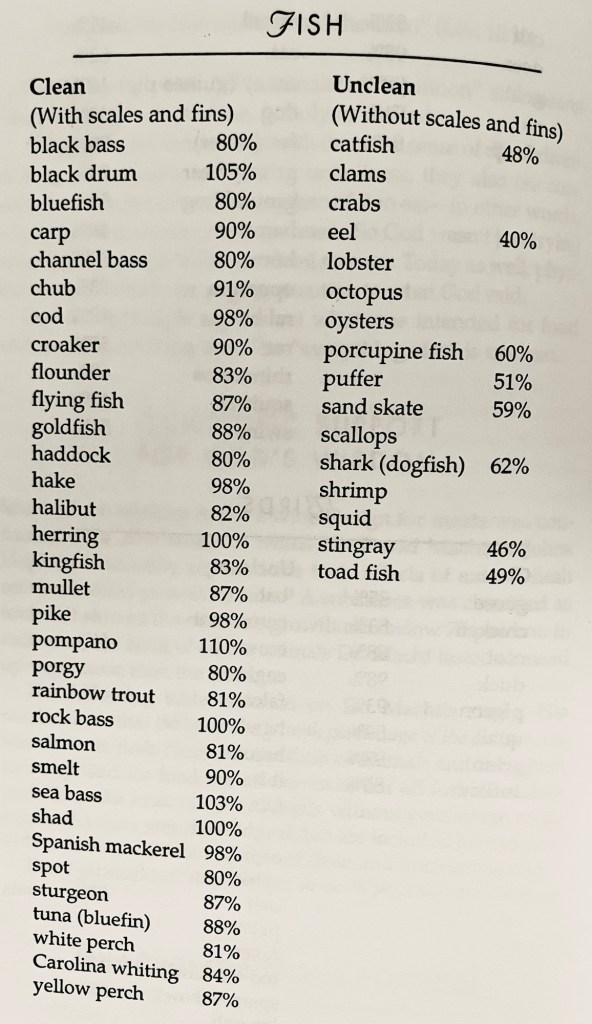
Dr. Rex Russell’s presentation of the principles of clean eating is notable for its emphasis on the blessings for obedience rather than a legalistic requirement. However, the advocacy for clean eating may spark debate, particularly regarding the classification of all foods as clean. This debate stems from contrasting perspectives in the Old and New Testaments. While the Old Testament provides a detailed list of unclean foods, the New Testament includes references to Jesus declaring all foods clean (Mark 7:19) and Peter’s vision of unclean animals being made clean (Acts 10:11-15). Furthermore, there is disagreement among Christians regarding whether these verses pertain to the treatment of gentiles, meat offered to idols, or the manner in which food is consumed.
Following the principles, it is understood that individuals should consume foods originally designed for consumption, such as plants, herbs, and meat, in their unprocessed, whole-food state as much as possible while avoiding addictive foods. Interestingly, these principles align with modern healthy diet advice. This perspective prompts contemplation on contentious items such as bacon, shrimp, and processed foods.
Dr. Rex Russell presents a compelling case rooted in scientific evidence that challenges conventional notions of clean and unclean foods, highlighting the potential blessings for obedience to the principles prescribed by God. An area of criticism is the absence of a clear healthy eating plan in the book. However, this gap is skillfully addressed by Hope Egan’s complementary cookbook “What the Bible Says about Healthy Living Cookbook,” offering creative and practical direction through simple, tasty recipes featuring wholesome ingredients. The combined reading of these two works is recommended, providing both theoretical and practical guidance on embracing a healthy lifestyle rooted in biblical principles.
Strengths and Weaknesses
The book’s strength lies in how it serves as the pioneer and springboard for the entire biblical eating movement in book form. It challenges readers to consider the connection between their faith and the food they consume. However, it could improve by providing more creative direction and practical guidance without the need for supplemental reading.
Personal Reflection
Although I could have chosen to read a more contemporary book on the subject, I was drawn to this one due to its high star ratings from readers over the years and its role as the pioneer of the biblical eating movement. The Bible has long contained the prescription for healthy eating, and I wanted to start there. Dr. Russell’s Torah Observant perspective, seeking to adhere to the laws and teachings presented in the Torah, challenged my initial expectations. The foods listed as clean and unclean in the Bible are backed by scientific evidence.
Recommendation
I would recommend this book to a diverse audience, regardless of religion, race, or sexual orientation, as the information is relevant to all human beings. While not everyone may agree with the advice, it presents an opportunity for enriching discussions and personal reflections.
In summary, “What the Bible Says About Healthy Living” offers a significant perspective on the connection between faith, health, and dietary choices. It challenges readers to examine their beliefs and habits, making it a valuable read for a wide audience.
Source Citation
Russell, Rex. (1999). What the Bible Says About Healthy Living: Three Biblical Principles That Will Change Your Diet and Improve Your Health. Revell.
Affiliate Disclosure
This post contains affiliate links. As an Amazon Associate and affiliate of other brands, I may earn a small commission from qualifying purchases. This is at no extra cost to you and helps support the work of Vintage Virtues. Thank you! See full affiliate disclosure here.
Book Review: What the Bible Says About Healthy Living. Copyright © 2023 Vintage Virtues. All Rights Reserved.

 Vintage Virtues
Leave a comment