
Over the past year, I have been exploring biblical feasts and Jewish holidays. It all started with a lesson on Purim, followed by a Passover Seder for middle school students in our homeschool co-op. Our family also joined a local community Passover Seder, which deepened our understanding of this meaningful holiday. There are four biblical Spring Feasts: Pesach (Passover), Unleavened Bread, First Fruits, and Shavuot (Pentecost or Feast of Weeks). Additionally, there are three biblical Fall Feasts: Rosh Hashanah (Yom Teruah or Feast of Trumpets), Yom Kippur (Day of Atonement), and Sukkot (Feast of Tabernacles or Festival of Booths). As we embrace the autumn season, our attention has shifted to the fall feasts. We recently had a reflective Rosh Hashanah meal and acquired a ram’s horn trumpet (pictued below), which proved to be a challenge to play! Along with my co-teachers, we planned a lesson on the Fall Feasts, with a focus on Sukkot. If you are interested, feel free to use the lesson plan below.


Grade Level: Middle School (6th to 8th Grade) Subject: Social Studies and Cultural Studies
Objective: Introduce students to the Jewish fall feasts: Rosh Hashanah, Yom Kippur, and Sukkot, in a Christian context while helping them understand the profound significance of these celebrations and their connection to Christianity. Utilize relevant Scriptures to illustrate the relevance of these biblical feasts and foster an appreciation for diverse cultural practices. Additionally, to understand Jesus as the fulfillment of the biblical feasts.
Materials:
- Pictures and videos of fall feasts, including sukkot.
- Whiteboard and markers
- Printed Handouts: Prepare informative handouts about Rosh Hashanah, Yom Kippur, and Sukkot, referencing relevant Scriptures to emphasize their spiritual significance.
- Building materials for constructing a “Sukkah”, or tents.
- Ingredients and Supplies: Include seasonal fruits, vegetables, herbs, and spices that are typically enjoyed during Rosh Hashanah and Sukkot such as honey, pomegranates, apples, challah bread, and grape juice to symbolize sweetness, abundance, and the joy of the harvest.
- Biblical Passages: Select and print out Bible passages related to the fulfillment of the fall feasts as portrayed in the New Testament. Include verses that highlight Jesus’ role as the ultimate sacrifice, connecting the significance of Yom Kippur and the atonement to the life and teachings of Jesus Christ.
Duration: 2 class periods (90 minutes each)
Lesson 1: Introduction to the Fall Feasts
- Begin with a class discussion: Ask students if they have heard about the fall feasts, such as Rosh Hashanah, Yom Kippur, and Sukkot. Write down their responses on the whiteboard.
- Show pictures and/ or videos of fall feast celebrations and Sukkot, in particular. Discuss what they observe, such as symbols, customs, and traditions.
- Explain the historical and cultural significance of these feasts, emphasizing their connections to the Jewish calendar and harvest season. Ask for a volunteer to read Leviticus 23:33-44 for the importance of Sukkot as a biblical feast. The Jewish High Holy Days encompass several significant observances. These commemorations offer a deeper understanding of the Jewish High Holy Days and their spiritual significance in both historical and prophetic contexts.
- Rosh Hashanah, known as Yom Teruah, or Feast of Trumpets, marks the spiritual new year in the Hebrew calendar. The name Rosh Hashanah is a combination of the Hebrew words “rosh” meaning head or beginning, and “hashanah” meaning year. It is often referred to as the Feast of Trumpets, symbolizing the anticipation of the day when Jesus will return with the sound of trumpets (Zimmerman, Martha. Celebrating Biblical Feasts, pp. 127-129).
- Yom Kippur, known as the Day of Atonement, is a solemn occasion during which individuals reflect, fast, and repent for their sins. It falls on the 10th day and serves as the culmination of the 10 days of repentance that begin on Rosh Hashanah. On this day, worshippers stand before God, confessing their sins and seeking reconciliation with Him. It is important to understand that Jesus, as our high priest, is holy and blameless, entirely free from sin. Unlike the previous priests, He does not require daily animal sacrifices for forgiveness. Through His sacrifice on the cross, Jesus fulfilled all sacrifices for all time. In the old system, even the high priests were fallible and sinful, but God appointed His perfect Son to be the ultimate high priest. This New Testament covenant surpasses the old agreement, as God Himself found fault with it. In the new covenant, God promises to write His law within the hearts of His people, forgiving their sins and remembering them no more (Zimmerman, p. 147-153).
- Sukkot, also referred to as the Feast of Tabernacles or Festival of Booths, holds significant historical importance. It serves as a poignant reminder of the Israelites’ Exodus journey out of Egypt, as depicted in Genesis 33:17. 17 And Jacob journeyed to Succoth, built himself a house, and made booths for his livestock. Therefore, the name of the place is called [Succoth. The Hebrew term “Sukkot” directly translates to “huts.” During this festive celebration, the Israelites would embark on a pilgrimage to Jerusalem and construct temporary dwellings to commemorate their time in the wilderness. Additionally, Sukkot carries symbolic value, representing the future reign of the Kingdom of Heaven when God’s divine presence will unite with humanity during the millennial reign (Zimmerman 157-163).
- Hand out printed materials with photos, information about the fall feasts, their customs, and their connections to Christian traditions.
- Class discussion: Ask students what aspects of these fall feasts they find interesting or meaningful. Encourage questions and curiosity, and reference Deuteronomy 16:13-15 regarding the importance of rejoicing during Sukkot. 13 “You shall observe the Feast of Tabernacles seven days, when you have gathered from your threshing floor and from your winepress. 14 And you shall rejoice in your feast, you and your son and your daughter, your male servant and your female servant and the Levite, the stranger and the fatherless and the widow, who are within your [a]gates. 15 Seven days you shall keep a sacred feast to the Lord your God in the place which the Lord chooses, because the Lord your God will bless you in all your produce and in all the work of your hands, so that you surely rejoice. Discuss Jesus in the Feast of Tabernacles In John 7 we read that Jesus was at the Feast of Tabernacles, in John 8:12 Jesus made the statement “I am the light of the world” during the Feast12 Then Jesus spoke to them again, saying, “I am the light of the world. He who follows Me shall not walk in darkness but have the light of life.” In John Jesus’s statement was the second of the “I Am” statements.
Lesson 2: Building a Sukkot, Participating in a Feast, and Recognizing Jesus as Fulfillment
- Explain that as part of the Christian celebration of the fall feasts, students will have the opportunity to build a Sukkot booth and participate in a feast. Mention that the fall feasts are often seen as a foreshadowing of Jesus and that He is considered the fulfillment of these biblical feasts.
- Divide the class into groups, each responsible for constructing one section of the Sukkot booth (sukkah), with a brief mention of the symbolism. Provide building materials and instructions, have one of the students read Nehemiah 8:14-18 as an example of Sukkot’s construction. Encourage students to be creative and use symbols that represent their Christian perspective, referring to 1 Corinthians 10:31 31 Therefore, whether you eat or drink, or whatever you do, do all to the glory of God.
- As the Sukkot booth takes shape, discuss the symbolism of the sukkah and how it connects to the Christian celebration of the fall feasts. Emphasize the themes of gratitude, community, and reliance on God. Briefly introduce the idea that Jesus fulfilled the symbolism and purpose of these feasts.
- Enjoy a feast together, incorporating elements traditionally associated with Sukkot such as bread, fruit juice, and seasonal fruits. This meal symbolizes the communal aspect of the holiday. Have students participate in a communal prayer or blessing, expressing thankfulness for the harvest and God’s provision, with reference to 1 Corinthians 10:16-17. 16 The cup of blessing which we bless, is it not the communion of the blood of Christ? The bread which we break, is it not the communion of the body of Christ? 17 For we, though many, are one bread and one body; for we all partake of that one bread. In this context, mention how Jesus’ sacrifice is seen as the ultimate provision and fulfillment of God’s plan.
- Briefly introduce the concept of Jesus as the fulfillment of the biblical feasts, emphasizing that Christians see His life, death, and resurrection as fulfilling the Old Testament types and symbols.
- Encourage students to reflect on their experience and the connections between the fall feasts, their Christian faith, and Jesus as the fulfillment, referencing passages from the New Testament that emphasize Jesus as the fulfillment of Old Testament prophecies and foreshadowing.
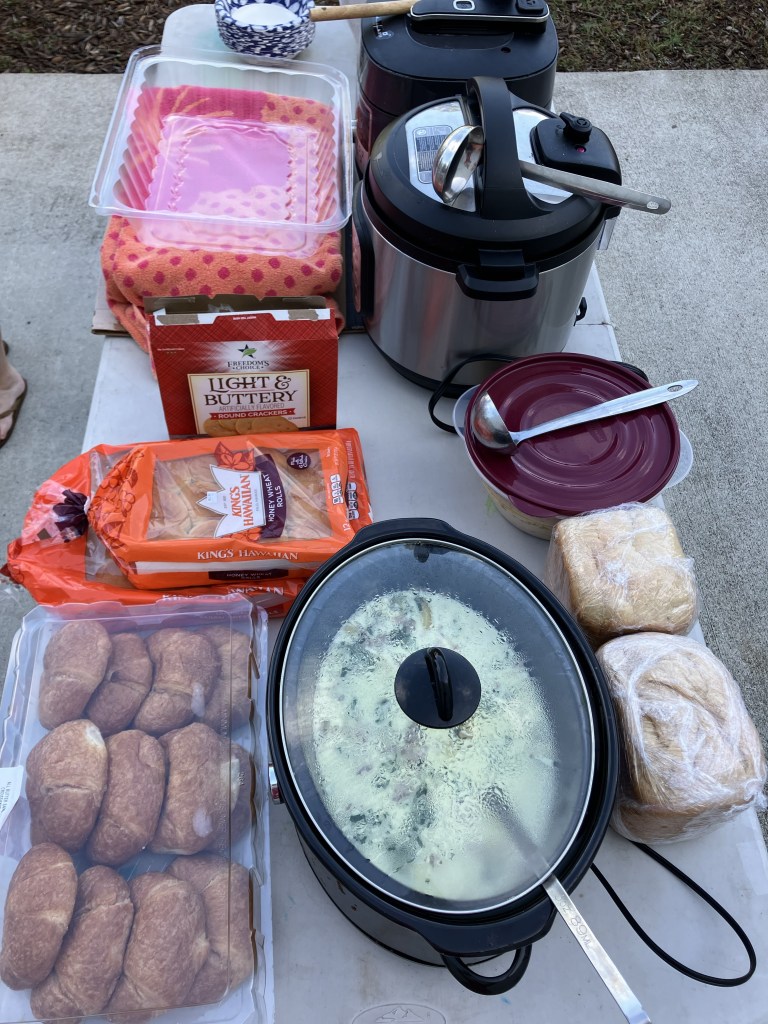
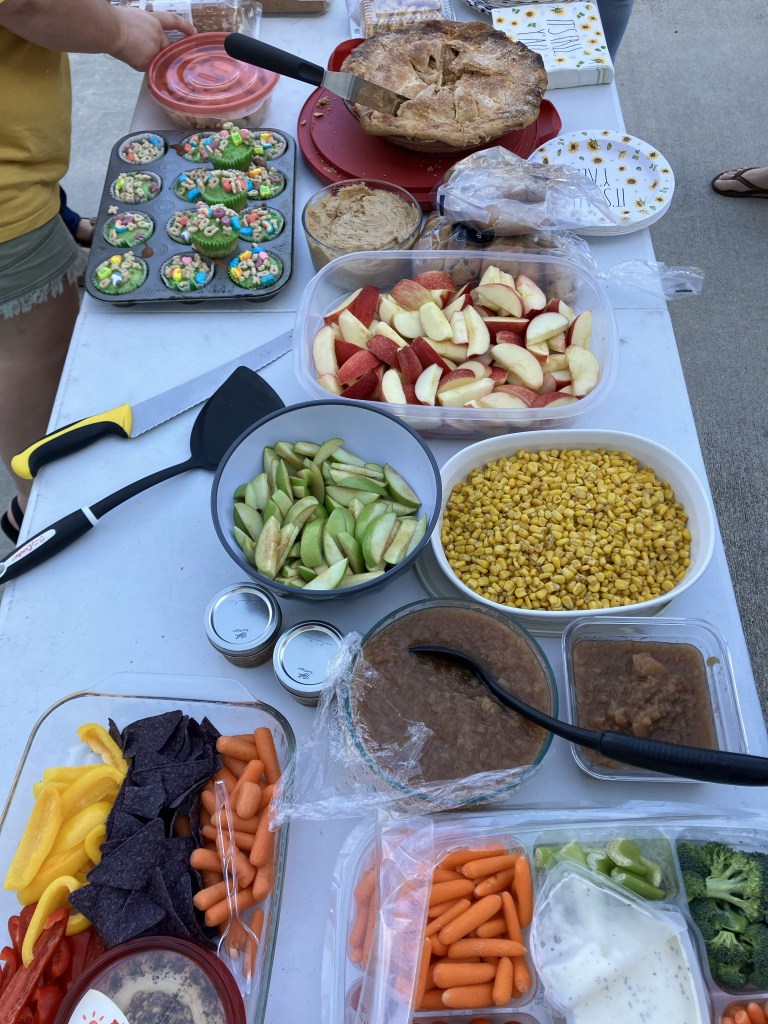
Don’t forget to leave a comment or share your pictures if you celebrated the Feast of Booths using this lesson plan. Here are a few pictures from our celebrations.


Source:
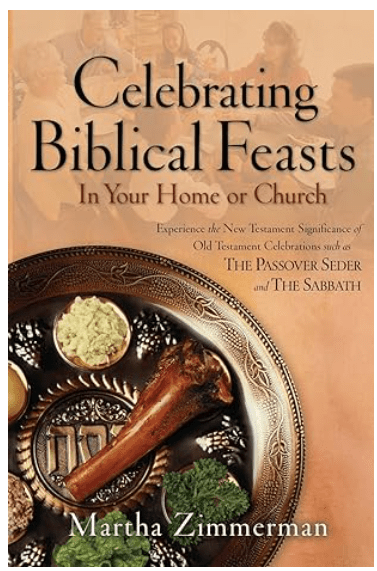
Celebrate the feasts of the Old Testament in your own home or church
By Martha Zimmerman
Originally published: Celebrate the feasts of the Old Testament in your own home or church. Minneapolis, Minn. : Bethany Fellowship, c1981.
ISBN: 0-7642-2897-8 (pbk.)
I may receive a small commission for linked items purchased through this blog. Your purchases help support my blogging efforts. Thank you!
 Vintage Virtues
Leave a comment