

Updated February 2025
Join me in this exciting article as I delve into the world of canning! Let me be your comprehensive guide as I reveal what inspires me to can. I’ll share personal insights of preserving memories though canning, walk you through a beginner’s guide to safe canning, and share videos of me canning my favorite dilly beans and Strawberry Jam – along with the delicious recipes embedded right in the videos! Finally, I’ll recommend high-quality products for your canning journey. Are you ready to embark on this canning extravaganza? Let’s get started!
Preserving Memories
My husband’s grandmother is my main source of inspiration for canning. She taught me the importance of maintaining a well-stocked pantry and freezer. She has experienced the challenges of having her husband deployed during the Vietnam War and times of earning a modest navy salary, requiring the need to fish for their own meat. Despite these hardships, she managed to provide her family with nutritious food, made from scratch. She excelled in cooking, learning to satisfy her large extended family’s appetites. She is also incredibly resourceful and never allows food waste, utilizing every part of her food items to create delicious food for her family and guests alike. Home-canned foods were a norm in her pantry, as canning is a part of her culinary expertise. In recent years, she graciously passed down all of her canning equipment, Ball Canning books, and a deep freezer to me. I have eagerly taken on the torch and strive to emulate her exceptional homemaking skills.

My Grandma Gail introduced me to the delightful taste of Dilly Beans, a tradition I now carry forward by preserving my own jars. Don’t miss out on the recipe video below!
Aside from the cherished influence of grandmothers, I’m no stranger to the challenges faced in our modern world, which necessitate readiness. As an American, I cannot overlook the economic instability and inflation that plague the United States and beyond. From food supply shortages due to the pandemic, which emptied the grocery store shelf, to the ongoing conflicts in countries like Afghanistan (post 9/11), Russia & Ukraine, Israel & Palestine, China & Taiwan, there is no shortage of uncertainty, and tariffs. Given these circumstances, I strongly believe it is wise to be prepared. Even if it’s as simple as being ready for a hurricane in the South! it is imperative to be able to hone the skills of past generations such as gardening, farming and hunting for our own food sources, and preserving foods for longer-term storage.
Canning Guide for Beginners
Canning is an excellent way to preserve fresh produce and stock your pantry. However, for food safety, it is essential to know how to do so safely to prevent food from becoming contaminated with harmful bacteria. Below are some safe canning practices from the USDA Complete Guide to Home Canning to help you can your produce with confidence.
- Start with Quality Ingredients: Begin by using fresh, high-quality fruits, vegetables, and other ingredients. Inspect them carefully to ensure they are free from mold, bruises, or signs of spoilage.
- Use Proper Equipment: Invest in canning jars, lids, and ring bands specifically designed for home canning. Additionally, make sure your canner or pressure cooker is in good working condition. For pressure canning with a weighted gauge, you can get it checked at local county extension offices or by the manufacturer.
- Follow Trusted Recipes: It is important to only use recipes from reputable sources, such as the USDA, National Center for Home Food Preservation, or well-established canning cookbooks. Personally, I find the Ball brand canning recipes produce consistently great results. Avoid modifying these recipes unless you have expertise in food preservation.
- Sanitize Everything: Thoroughly clean all equipment, including jars, lids, and utensils, with hot soapy water before use. Sterilize the jars and lids by boiling them and wipe off rims of the jars prior to processing/sealing.
- Use the Water Bath Method or Pressure Canning: Choose the appropriate method based on the food being preserved. High-acid foods (such as fruits and tomatoes with added acid) can be processed using a water bath canner, while low-acid foods (such as vegetables, meats, and poultry) require a pressure canner.
- Follow Processing Time and Temperature: It is crucial to process the jars for the recommended amount of time and at the specified temperature as per the recipe. This ensures that harmful bacteria like Clostridium botulinum are destroyed.
- Mind Altitude Adjustments: If you live at a high altitude, you may need to adjust processing times to account for lower boiling points. Refer to altitude adjustment tables in canning resources for guidance.
- Maintain Lid Seals: Always use new seals. After processing, allow the jars to cool for 24 hours. Then, check that the lids have sealed properly. The lids should be concave, and they shouldn’t flex when pressed in the center. If a lid doesn’t seal, refrigerate the contents and consume them within a week.
- Label and Store Properly: Always label your canned items with the date and contents. Store the jars in a cool, dark, and dry place, while avoiding temperature extremes.
- Be Aware of Spoilage Signs: Familiarize yourself with the signs of spoilage, such as bulging lids, off-putting odors, or unusual discoloration. If you suspect spoilage, discard the contents to ensure your safety.
Water Bath Canning in Action!
After reviewing some basics, I’m excited to share two of my absolute favorite recipes for canning – Dilly Beans and Strawberry Jam. Both recipes are embedded in the videos, so be sure to watch and take note, and then give them a try yourself!
Worth the Investment?
You’ve read about the nostalgia of canning, reviewed the canning guide for beginners, and maybe even watched the water-bath canning in action video complete with embedded recipes. But maybe you’re on the fence because of the cost of this hobby. Is it even worth the investment? Let’s take a look.
Home canning is a self-sufficiency hobby that requires an initial investment of money, time, and resources. However, it is worth it, as canning is usually more economical than freezing when it comes to preserving food at home, according to the Colorado State University Extension Office. The key to cost-effective canning is obtaining equipment affordably and growing or purchasing produce in season. While there are upfront costs for canning equipment like jars, lids, a canner or pressure cooker, and utensils, these costs can be minimized by finding sales or inheriting supplies.
Deals on Necessary Equipment
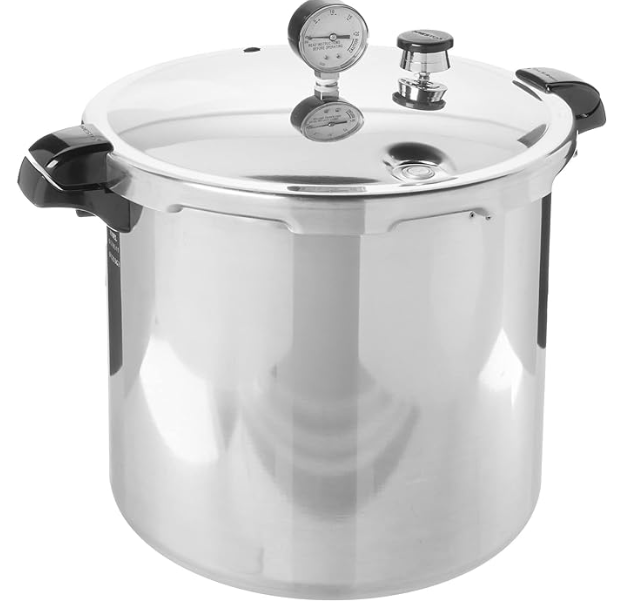
Here are some great products to get you started: Canning Kits by Supa Ant has an All-in-One Beginner kit on sale for $89.99, normally $100.00. This water-bath canner is great for canning high-acid food like tomatoes, pickling, and homemade jelly. For Pressure Canning, I use the Presto Brand, which is also the Amazon Choice, meaning it is highly rated by customers and well-priced with a low return rate. This Presto 23-quart pressure canner is just $123.98 right now, normally priced at $175.99. I mostly use Ball brand mason jars, lids, and ring bands because that’s what I have the most of. But I’ve also started using the Azure Standard brand canning jars. I’ve also used other brands when I’ve found them on sale at Tractor Supply or Walmart. I heavily rely on the Ball Blue Book Guide to Preserving for its tried-and-true reliable recipes. I’ve tried recipes from other sites with disastrous results such as thin cucumbers so salty I couldn’t give them away and runny jelly. Don’t trust unreliable sources when it comes to canning. The canning recipes shared on Vintage Virtues are from Ball Guides and Sure-Jell.


Closing Thoughts
The satisfaction of preparing homemade canned goods and the peace of mind that comes from having a stock of canned goods during supply chain issues make the time and effort involved in canning worthwhile. With surplus produce from the garden, canning becomes even more convenient and cost-effective. Reusing jars and taking advantage of surplus produce over time can lead to significant cost savings. Ultimately, the ability to enjoy self-sufficiency, preserve excess food, and have homemade canned goods readily available make home canning a worthwhile endeavor.
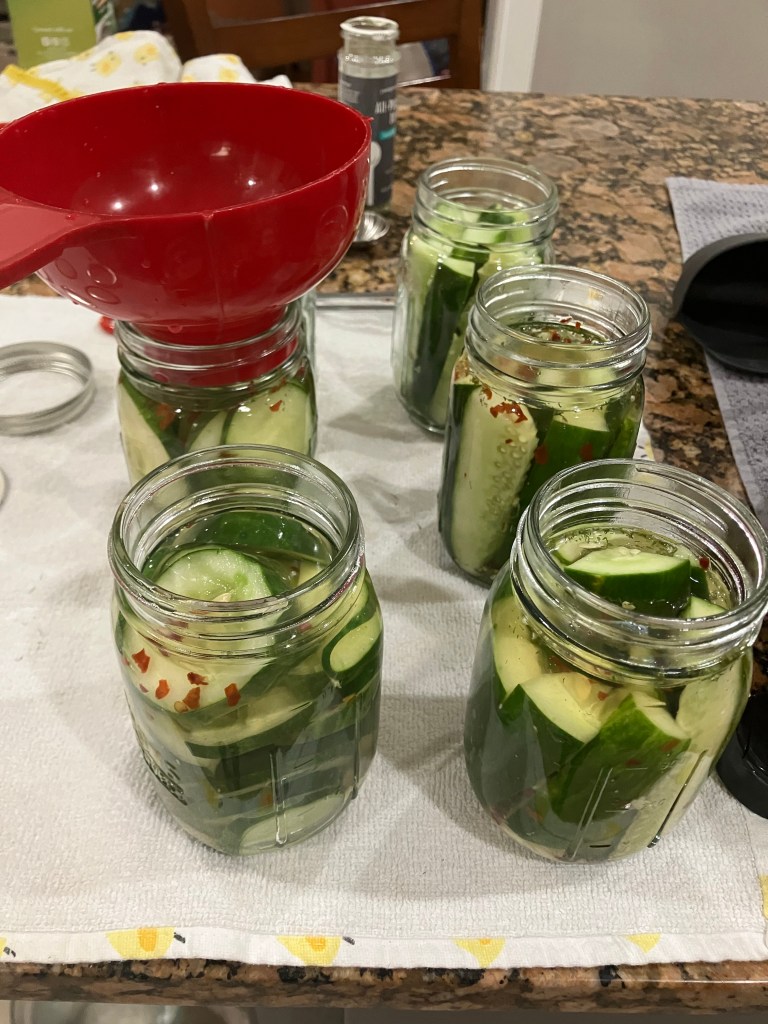
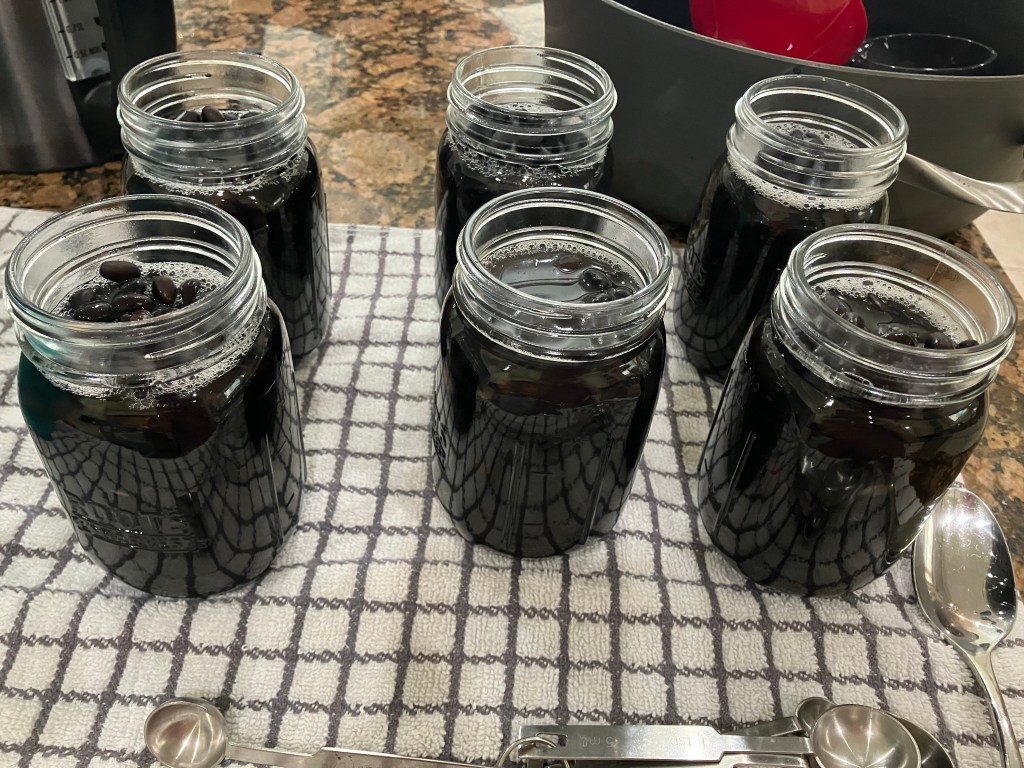
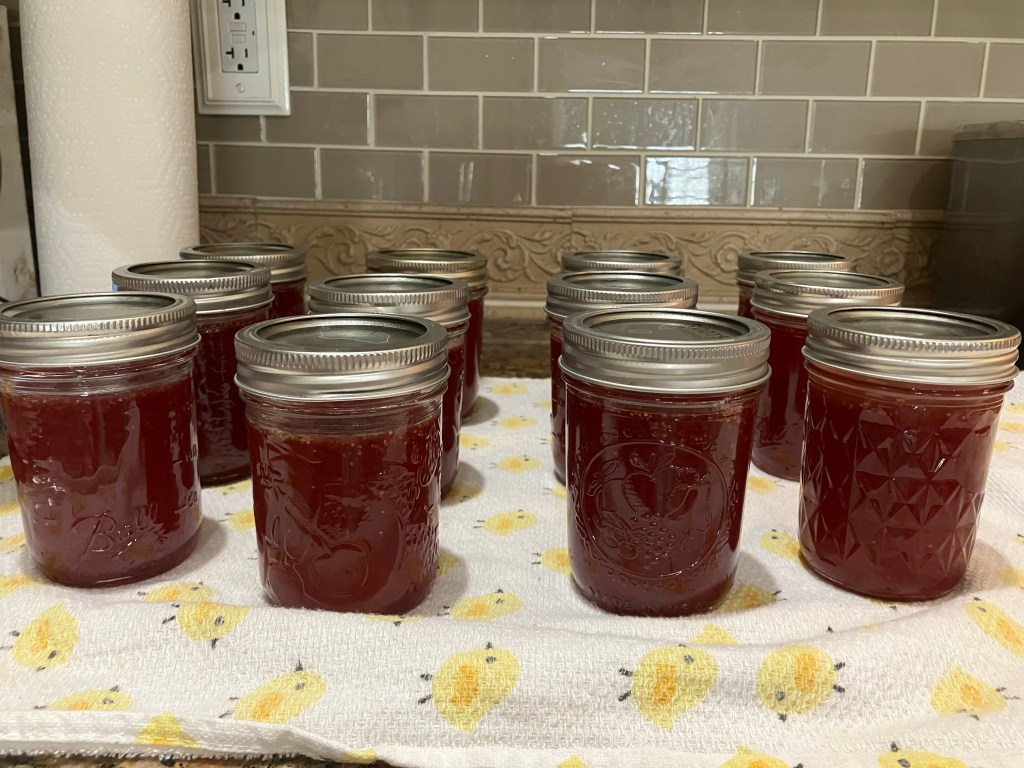
I hope this article has sparked your interest in the art of canning. The initial feeling that this might be an overwhelming endeavor is completely normal, but rest assured, it only took me one attempt to gain the confidence needed. You can do it too! By following safety precautions, equipping yourself with the right tools, and utilizing seasonal produce, you will be well-equipped to confidently and cost-effectively preserve food for your family. It is a worthwhile investment that will certainly pay off. Furthermore, canning is a timeless skill that you can pass down to future generations, just as my husband’s grandmother inspired me. So, what are you waiting for? Let’s get started with home canning. Soon enough, you’ll be canning an assortment just like the ones pictured below. I’m here if you have any questions, just drop them in the comments section.


Affiliate Disclosure: As an Amazon Associate, I may earn a small commission on qualified purchases from products linked in this article. I only share products that I believe are valuable to you. This helps to sustain the efforts of this blog. For a full disclosure, check out this link.

 Vintage Virtues
Leave a comment