

Updated: September 12, 2024
Welcome to the heartwarming season of fall! For me, this season is a time for self-reflection and gratitude, as well as the perfect opportunity to connect with God and His word through gardening. In this article, I’ll share expert tips, my personal fall planting schedule, and insights on preparing garden beds. Plus, I’ll recommend must-have tools and resources that have become essential in my gardening journey. Let’s embrace the wonders of fall gardening together!
Preparing for Fall Planting
As the leaves begin to turn and the air cools, it’s time to plan what to plant and harvest in your fall garden. Fall gardening, especially in USDA Zone 8b/9a, offers unique benefits thanks to our long growing season and mild winters here in southeast Georgia
Expert Tips for Fall Gardening From Grow Organic, Home of Peaceful Valley Farms
- Keep Up on the Harvest: Even as summer winds down, your garden continues to produce. Regular harvesting of summer crops like cucumbers, summer squash, and fresh snap beans is essential to keep the plants productive. If you have an abundance of cucumbers, consider making pickles to enjoy your garden’s bounty through the winter months.
- Seed a New Lawn or Fix Bare Spots: Late summer to early fall is the best time to seed new lawns or repair bare spots. The combination of warm soil and longer daylight hours creates ideal conditions for grass seed germination.
- Check Your Irrigation Lines: August heat can be harsh on your plants. Regularly inspect your irrigation lines for leaks or clogs to ensure efficient watering, which is critical for maintaining a healthy garden during the hot summer months.
- Feed Your Heavy-Feeding Plants: Crops like cucumbers, squash, and corn are heavy feeders. Give them a boost with a balanced fertilizer to keep them growing vigorously through late summer.
- Pre-order Your Garlic: Fall is garlic planting time! Pre-order your favorite varieties to ensure you have the best selection when planting season arrives. Garlic is a cool-season crop that will be ready for harvest next summer.
Click here to check out Peaceful Valley Farms’ products through our affiliate link.

Knowing Your Zone
Understanding your USDA Plant Hardiness Zone is crucial for planning your fall garden. In Zones 8b/9a, the average first frost date typically falls between late November and early December, giving you plenty of time to grow cool-weather crops. Here’s a planting schedule for cool-season veggies that thrive in this gardening zone:
- Collard Greens: Plant in early August through early September.
- Kale: Plant in early August through early September.
- Turnips: Plant in early August through early September.
- Broccoli: Plant in late August through early September.
- Cauliflower: Plant in late August through early September.
- Cabbage: Plant in late August through early September.
- Carrots: Plant in early September through early October.
- Beets: Plant in early September through early October.
- Lettuce: Plant in early September through October.
- Spinach: Plant in early September through October.
- Radishes: Plant in early September through October.
- Swiss Chard: Plant in early September through October.
- Green Onions: Plant in early September through October.
What I Planted
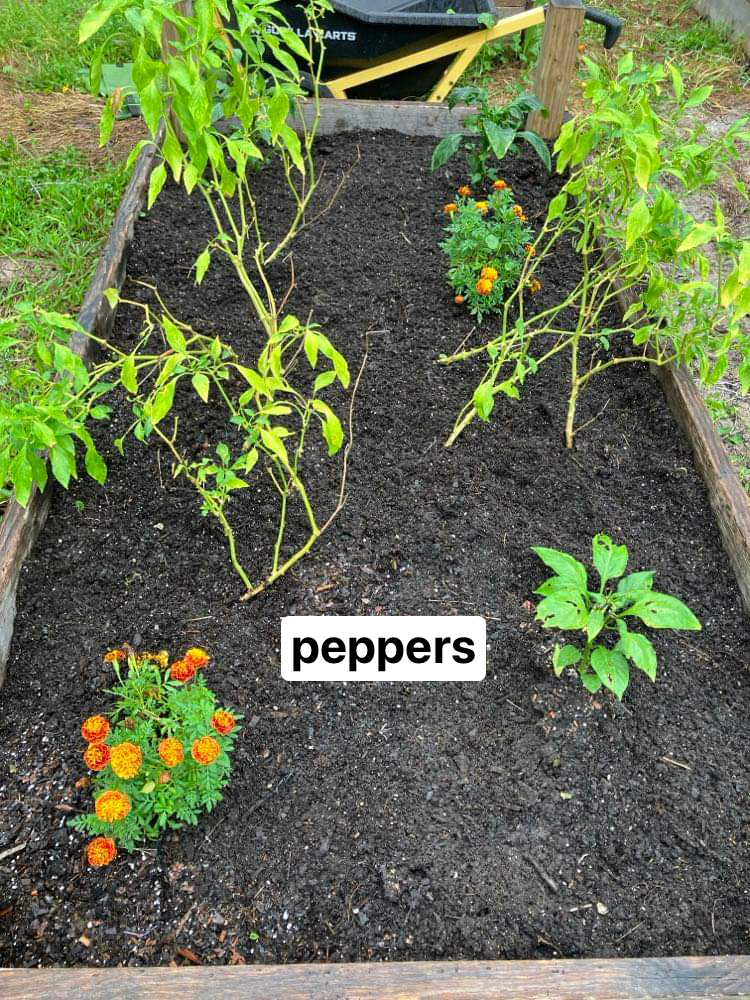
This list of fall vegetables is a great starting point, but remember, your choices may vary based on your local conditions. For instance, even though fall is approaching, I still have hot peppers thriving in my garden due to our mild temperatures. This season, I planted eggplants and started seeds for kale, carrots, beets, and radishes from my stash stash of Survival Garden Heirloom Seeds and Azure Standard seeds. If you’re unsure what to plant, checking your zip code on the USDA Plant Hardiness Zone Map can help you choose the best vegetable varieties for your garden area.
Preparing Your Garden Beds
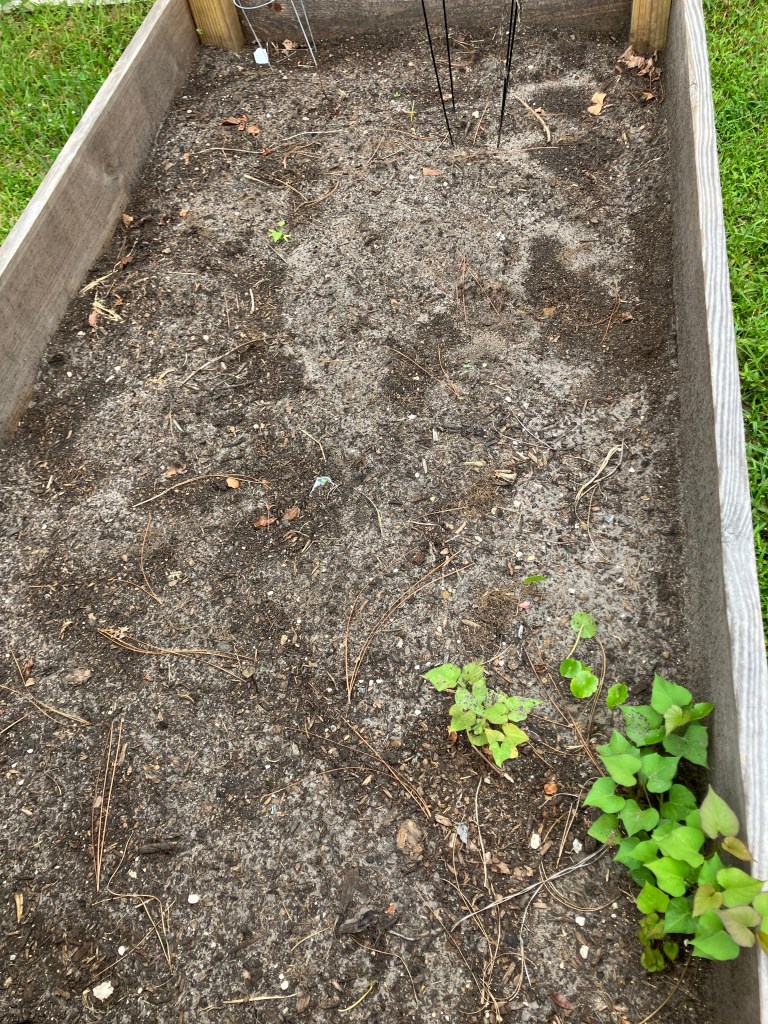
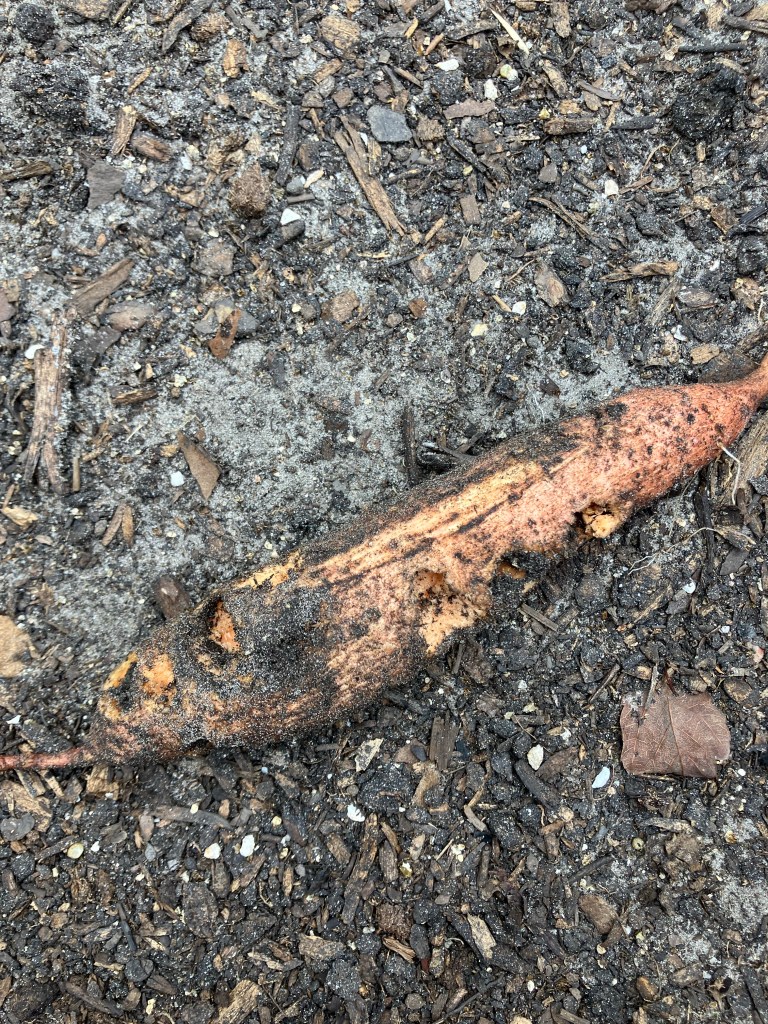
Before planting, it’s important to clean garden beds of any leftover summer crops, weeds, and pests like squash bugs. During my garden bed prep, I often discover surprises—like a gnarly carrot and a sweet potato that grew unnoticed through the summer. Clearing out the garden area and adding organic matter is essential for creating a healthy environment for your fall garden.

Must-Have Products and Resources
Here are some of my favorite tools and products that make gardening easier. These tools not only support your gardening journey but also help keep this blog growing!



Garden Tool Set: Essential garden tools for everything from planting seeds to uprooting weeds.
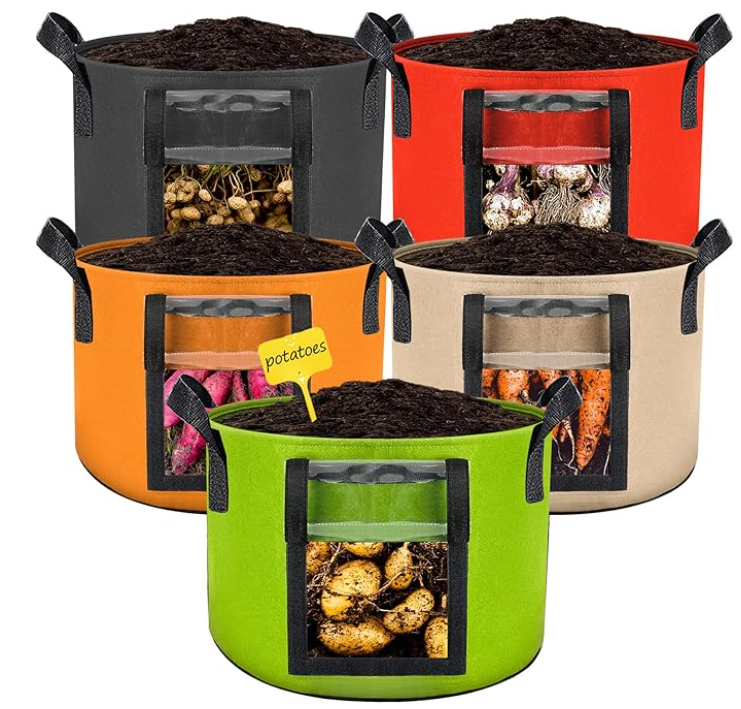
Vegetable Grow Bags: Perfect if you don’t have room for raised beds or want to expand your garden outside of traditional beds.
Gardening Gloves: A must for protecting your hands, especially when dealing with thorny plants or heavy garden work.
Seeding Square – Seed Spacer Tool: This tool is designed to assist in maximizing space by effectively spacing out seedlings. It is particularly useful for the square foot gardening method and can also be a valuable aid in educating children about proper spacing and seed depth.
Homeschooling on the Homestead: Our Fall Planting Experience
Homeschooling offers countless opportunities to teach real-life lessons, and our fall planting was no exception. It was a hands-on lesson for my children, combining science, patience, and even biblical reflection. This morning, we completed the final touches on our fall planting, incorporating it into a homeschooling lesson on the homestead. We weeded all the garden beds—again, as that’s always an ongoing process—and faced off against ants (mostly on the ground) and mosquitoes. The recent heavy rains kept us waiting until the hot summer temperatures in the 90s and 100s finally dropped before committing too much to the garden beds.
Last week, we planted eggplants and peppers, and removed some of the dying collard greens, though we kept the healthy ones still producing. Now that temperatures have cooled to the 80s and the garden beds have dried out, we finally planted two varieties of carrots this morning. In the past, we’ve had little success with carrots, which is common in this area. I read a tip to wait until the temperatures are consistently in the 80s or lower before planting them in the fall—so that’s what we did.
We also planted beets, which my daughter is excited to harvest for making natural food coloring. We sowed kale and arugula seeds, which have done well for us before, and we added radishes to the mix. It was a great homeschool lesson as we discussed the root systems of the weeds we pulled—especially the mighty dollarweed. Naturally, there was some sibling rivalry as the kids tossed weeds at each other, but it offered a perfect opportunity to reflect on some relevant scriptures. I reminded them of verses encouraging kindness toward one another, felt what it means to “work by the sweat of your brow” (Genesis 3:19), and reflected on the parable of the weeds (Matthew 13:24-30).
Grand Tour of Our Freshly Sown Fall Garden
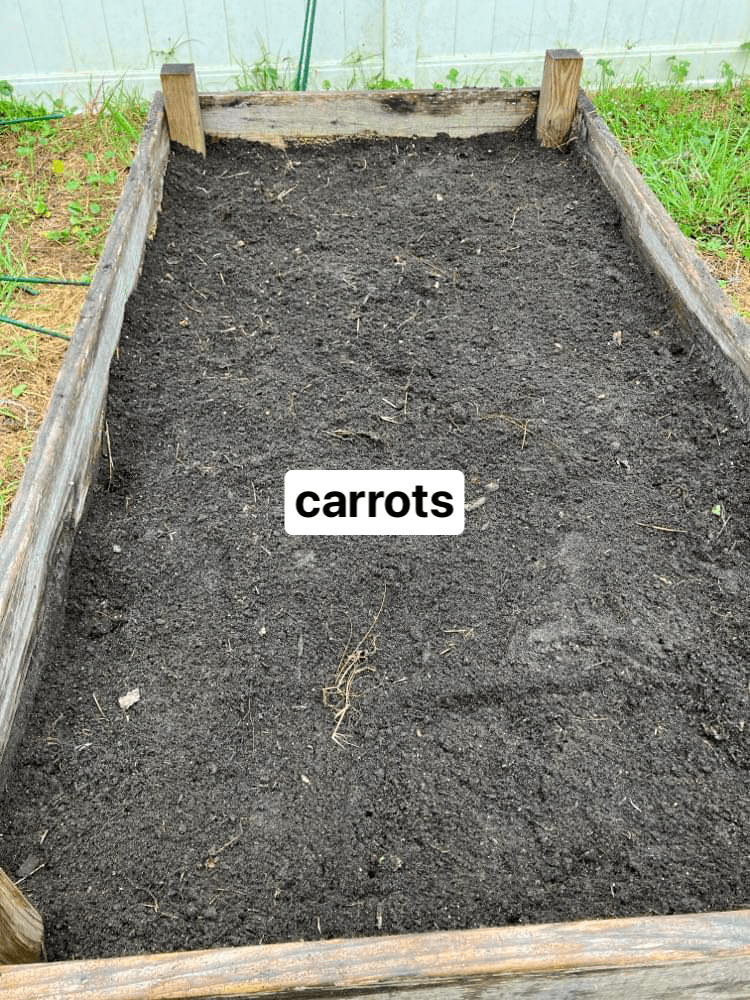
Curious to see what a fall garden looks like after planting? Here is our freshly sown garden. It still looks like a lot of dirt. So be sure to come back for updates as it grows. I’ve also embedded a video your of last year’s fall garden for some more insight.



Have You Started Your Fall Garden Yet?
Haven’t started your fall garden yet? Don’t worry! There’s still time to get planting in late September and early October. Whether you’re a seasoned gardener or just starting out, fall is the perfect time to grow cool-weather crops. What’s on your planting list this season?
Support the Blog
I’ve included some affiliate links to products I personally use and love. By shopping through these links, you support the blog at no extra cost to you. Explore my favorite tools and deals in our Affiliate Disclosure and Current Partners List. With these tips and resources, you’re well on your way to a successful fall garden. Happy gardening!

 Vintage Virtues
Leave a comment