

My Father’s World Adventures in U.S. History: An Expedition Through Native American Culture and Cuisine
In our homeschooling journey with My Father’s World curriculum, the Adventures in U.S. History for 2nd and 3rd grade unfolded as a rich exploration of early explorers, Native Americans, Pilgrims, and the Colonial Era. The curriculum’s hands-on activities and captivating stories transformed history into an enjoyable experience. Our focus expanded to delve into the history, culture, traditions, and meals of 12 different tribes of indigenous communities across the United States.
The Cherokee of GA POWWOW: Tradition and Indigenous Flavors
The Cherokee of Georgia, a State Recognized Indian Tribe, hosted a POWWOW that greatly enriched our understanding of Native culture, traditions, and community life. As we explored the marketplace, we encountered quality handcrafted traditional arts, pottery, dolls, jewelry, walking sticks, handcrafted leather, beadwork, blankets, incense, and more. The day unfolded with a journey through the museum and storytelling in a hut (this particular tribe did not accept U.S. government land, so that they may have more control over their resources). We also experienced tribal face painting and were afforded the privilege of watching tribal members perform traditional dances. Don’t miss the embedded videos of the experience, embedded at the end of this article, for your viewing pleasure.
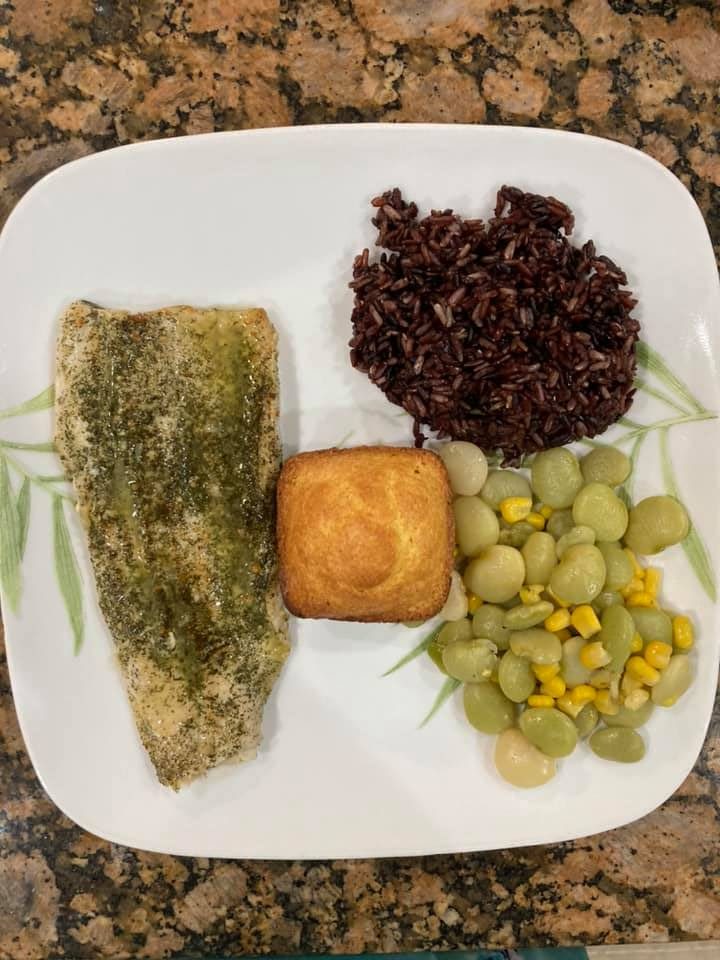
It wasn’t just about sustenance but a connection to the land, honoring traditions, and celebrating indigenous flavors. Our taste buds were treated to not only new foods such as homemade fry bread and chili prepared over an open fire but we also enjoyed a shared community meal with the Cherokee of Georgia, featuring flavors showcasing the diversity of traditional foods, many of which are comprised of whole foods which carry tremendous health benefits. This experience inspired us to create our own Native American-inspired meals at home, experimenting with Native American Recipes and some traditional ingredients like trout, corn, beans, and wild rice. I’ve included the recipe for the family meal we prepared, along with some photographs below. Furthermore, we were inspired to try our hand at homemade fry bread, here is a link to my favorite recipe video for that: How to make Navajo Fry Bread (youtube.com)
Exploring Traditional Native American Cuisine: Pan-Seared Lemon-Dill Trout with Succotash, Wild Rice, and Corn Bread
Ingredients:
- 4 trout fillets
- Fresh lemon juice
- All-purpose dill seasoning
- Salt and pepper to taste
- 2 cups succotash (mix of corn and lima beans)
- 1 cup wild rice
- 2 cups water or broth
- Cornbread mix (prepared according to package instructions)
Instructions:
- Marinate trout fillets with fresh lemon juice and a generous sprinkling of all-purpose dill seasoning. Let it sit for 15 minutes.
- Prepare succotash by cooking corn and lima beans over medium heat until tender. Season with salt and pepper.
- Combine wild rice and water or broth in a pot, bring to a boil, then simmer for about 45 minutes until tender.
- Pan-sear marinated trout fillets for 3-4 minutes on each side until cooked through.
- While the trout is cooking, prepare cornbread according to package instructions.
- Serve pan-seared lemon-dill trout alongside succotash, wild rice, and freshly baked cornbread. Enjoy your delicious and wholesome dinner!


Culinary Heritage and Native American Tradition: A Reflective Conclusion
Reflecting on the holistic learning experience of incorporating Native American culture into homeschooling with My Father’s World Adventures in U.S. History broadened our perspectives. It wasn’t just about learning history; it was about understanding the importance of food sovereignty and traditional diets within Native American communities.
Our journey was not just a brush with Native American cultures but also an exploration of indigenous food systems, featuring staples like butternut squash, squash varieties, and the “Three Sisters” agricultural technique, which we employed in our homestead garden this past summer. The impact of European settlers on these food sources and the subsequent development of traditional Native American diets are apparent.
The Path Forward: Preserving Native American Food Traditions
Even as we navigated through the holiday season of Thanksgiving, we were reminded of the crucial role indigenous foods play in our social gatherings. The inclusion of native ingredients like cranberry sauce, squash varieties, sugar pumpkin, sweet potatoes, and wild game turkey served as reminders of where tradition has inspired current culture.
Celebrating Diversity and Heritage: A Culinary Legacy
In conclusion, our homeschooling journey with My Father’s World Adventures in U.S. History uncovered layers of history and culture that extended beyond textbooks. It was an exploration of traditional meals, indigenous food systems, and the resilience of Native American communities. Our celebration of Native American Heritage Month became a celebration of diversity, heritage, and Native American culture. As we savor the flavors of Native American-inspired dishes during the holiday season, we are reminded of the importance of honoring and preserving the rich culinary legacy of indigenous peoples.
 Vintage Virtues
Leave a comment