
Updated: February 2025
🌱 Calling all gardening enthusiasts and homesteaders! 🥕🍅 Embrace the journey of trial and error with valuable experiences shared from humble beginnings to bountiful harvests. Discover how setbacks were overcome, ant infestations dealt with, and sustainable practices adopted in this latest article. Join the conversation and find inspiration for your own gardening endeavors! 🌻🌿 Read and share your thoughts in the comments. Let’s grow together! #GardeningJourney #SustainableLiving #Homesteading101 🌾🏡

Don’t Despise Small Beginnings
We all have to start somewhere, even if we start poorly! In fact “failure” can be a good thing, for learning. Home vegetable gardens require some effort, but the rewards are well worth it. This article covers the ups and downs, including encounters with ants, and everything in between that we’ve experienced in gardening over the years while expanding our little homestead. Filled with experiences, photos, video, and advice, I hope it helps you in your gardening and homesteading endeavors.
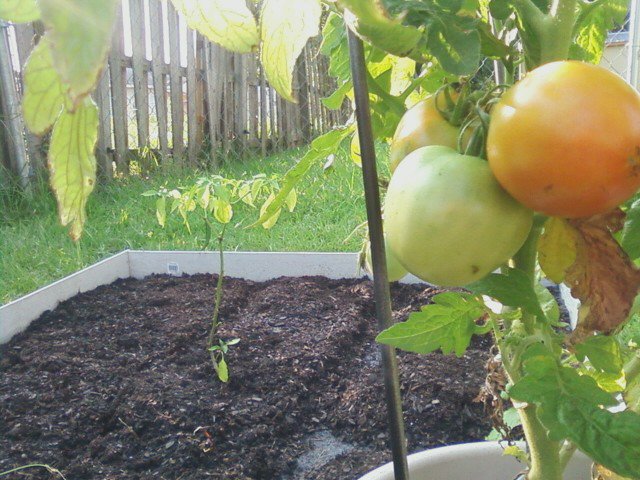
I started my first little garden in 2010. It was a tiny little garden, but it was a good start. We used Hardi-board siding to create our first raised bed garden. We tilled up the dirt and added a little compost heap of manure. We harvested some tomatoes that year, and two years later, a gnarly-looking carrot was discovered when we dug it out.

Overcoming Challenges and Finding Community
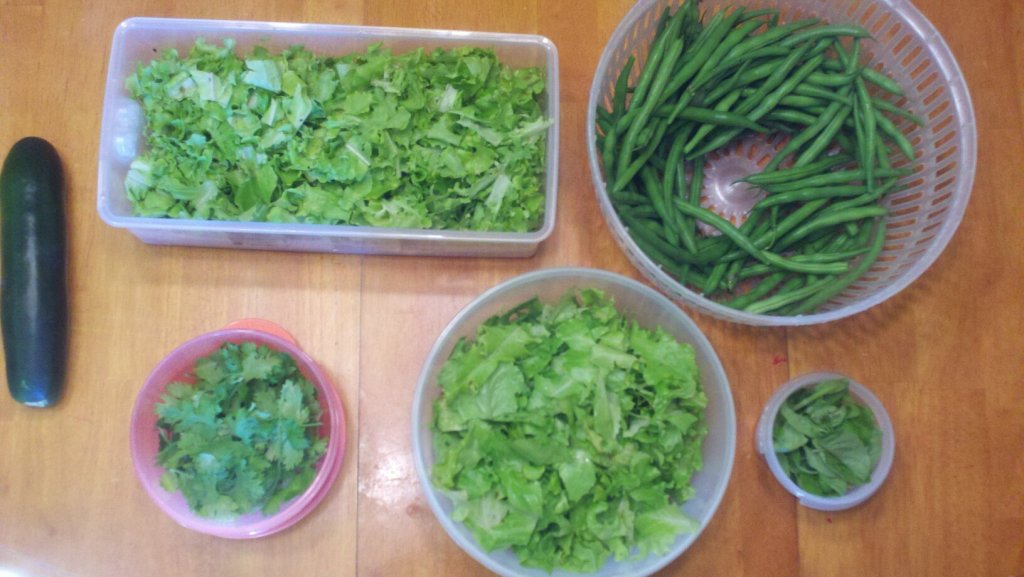
Two years later, after finding the gnarly carrot, I was inspired to garden again. I was sure that my soil was the issue. A friend told me about the community garden. For something like $5, we secured our own 10X15 garden area in a vacant lot donated by the city. We learned about square-foot gardening and amended the soil with Rhino manure from our local wildlife conservation. Gardening with others while reading proved to be a great way to learn more. This particular garden season was more successful than our first. We finally had an inspiring yield of romaine lettuce, pole beans, and cucumbers. We attempted a few more home gardens over the years, but due to soil and weather issues, we didn’t have yields quite like what we received from the community garden. It seems we spent a long time in trial and error, yet we persevered.

Gardening Success in 2023
Never be afraid to try—even if you “fail.” Mistakes are part of the learning process. Every gardening mishap taught us something valuable, and in 2023, we finally saw our most successful garden come to life.
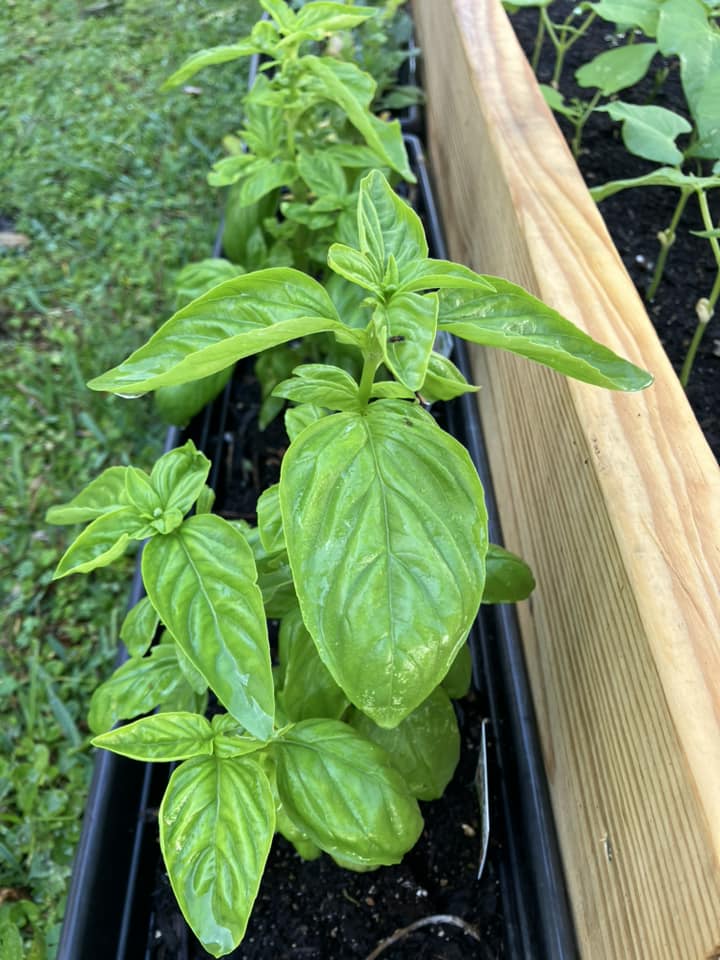
If you’re considering gardening, I highly recommend raised beds—they made a big difference for us! We used a mix of topsoil, Black Kow, and vermiculite and planted according to our zone 8b/9a using the Farmer’s Almanac. We also visited a local cooperative to learn about and purchase native plant species.
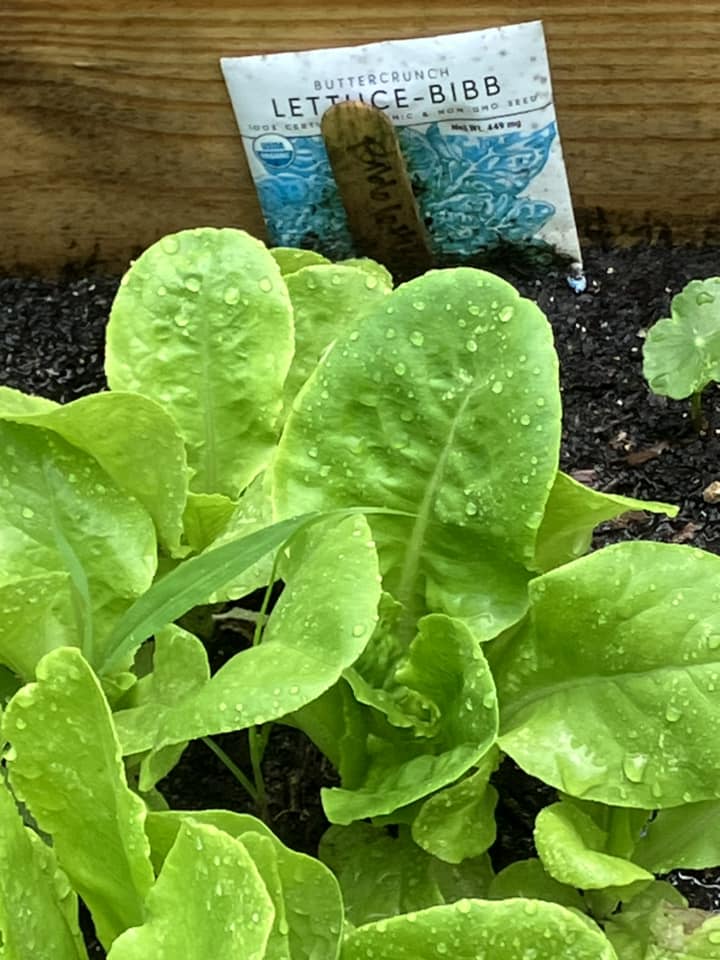
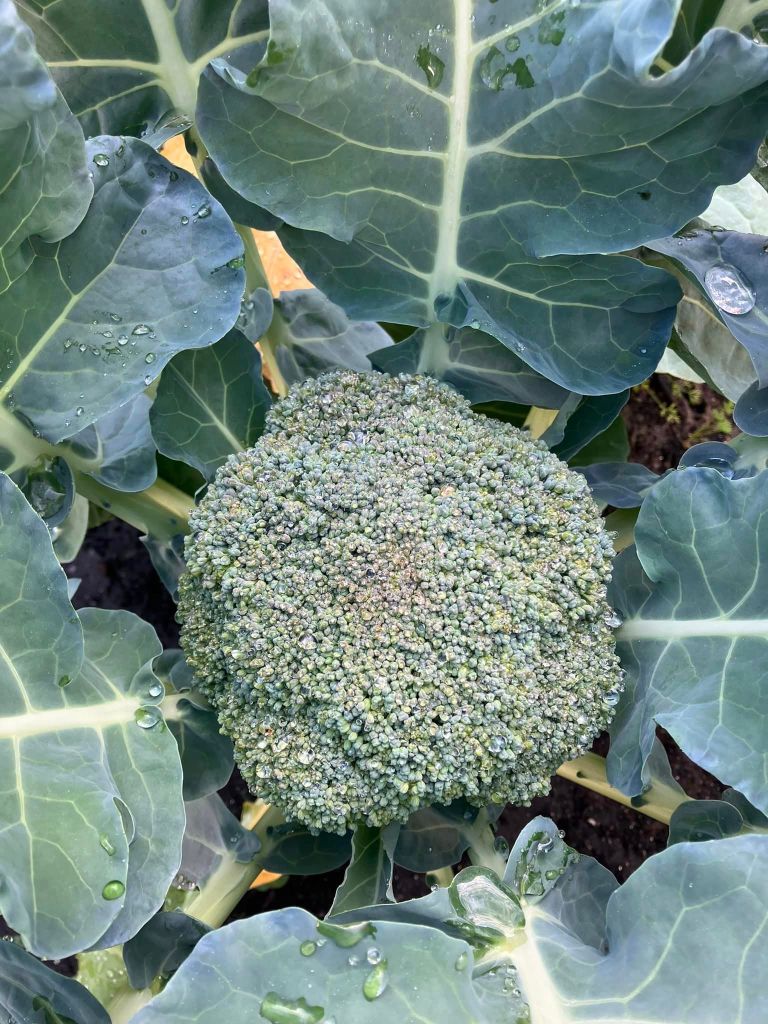
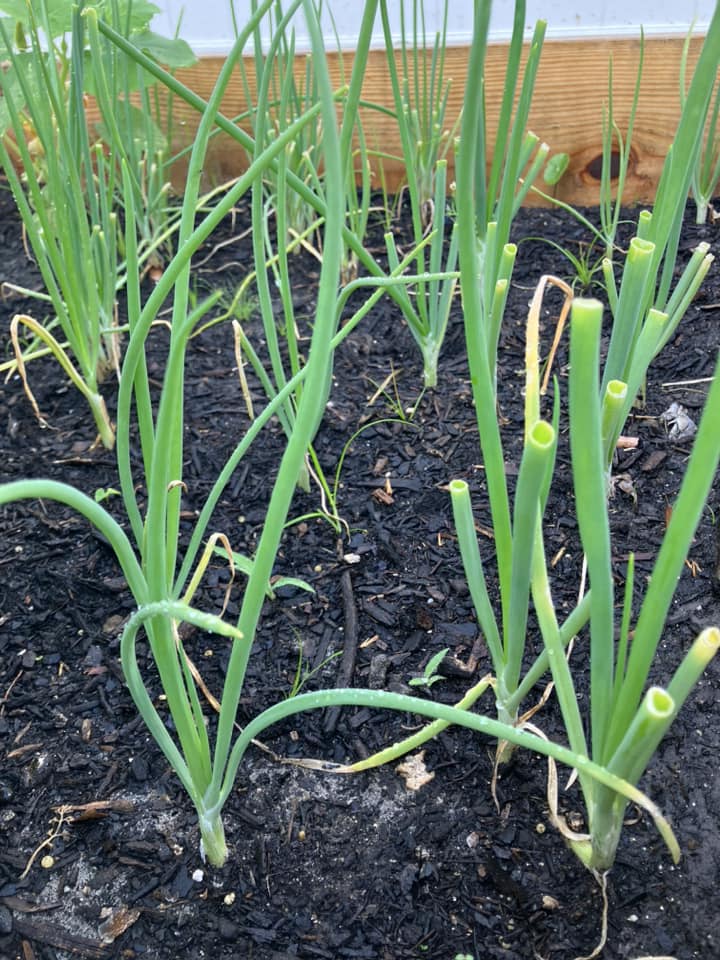
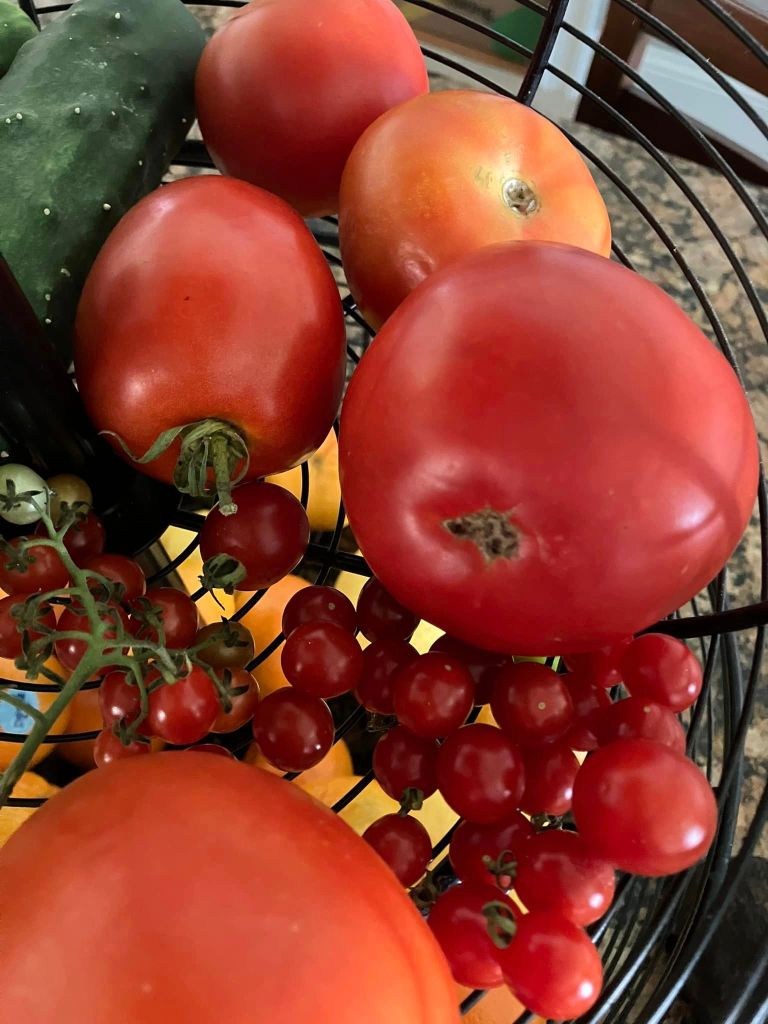
Our garden included collard greens, cucumbers, pole beans, arugula, lettuce, kale, broccoli, cabbage, tomatoes, sweet potatoes, and assorted herbs. For natural pest control, we planted marigolds throughout our flower beds.
We strive for a natural approach, and Azure Standard has been a great source for high-quality seeds. We had excellent results with their French radish and Russian kale and are excited to try their Brandywine tomatoes, zucchini, and other heirloom varieties this year. We’ve also had success with these survival garden heirloom seeds.
Additionally, our friends at FarmHouse Teas have inspired us to expand into herbal and medicinal gardening—something we’re eager to explore this year!
I credit the wonderful weather God blessed us with, the raised beds, and the amended soil mixture for the great yield we experienced last year. Both our early spring and fall gardens were a success, which encouraged us to venture into fruit trees. Last year we planted citrus trees, peach, elderberry, blueberry, fig, and an olive tree. We also started a compost pile to create a renewable source of healthy soil. All in all, we experienced a wonderful growing season, two seasons in a row!




Dealing with Ant Infestation in 2024
In 2024, we faced several common gardening challenges that led to a late and hectic start. These included weed control, excessive rain, temperature drops, and eventually, a major issue—an ant infestation.
I suspected that the deterioration of the wood in our raised beds contributed to the problem, though ants were also present throughout our lawn. After researching online, I found several natural methods to eliminate ants, including carpenter ants, fire ants, red ants, and little black ants.
If you’ve struggled with an ant problem and prefer to avoid toxic chemicals in favor of natural solutions, here are a few options to consider. Some of these methods were demonstrated in the embedded video—be sure to check it out at the end!
Natural Repellents for Garden Ants
- Hot Water: Pour hot water directly onto ant nests or large mounds to kill the ants and destroy their ant colony habitats. We used about a gallon of water. This is a direct contact killer.
- Quick Cooking Grit: Sprinkle quick cooking grit near ant trails or entry points. The grit can abrade the ants’ exoskeletons, leading to dehydration and death.
- Baking Soda: Create a mixture of baking soda and powdered sugar, then sprinkle it near the ants’ entry points. Also, apply baking soda in a circle around the base of the plants.
- Diatomaceous Earth: Sprinkle food-grade diatomaceous earth in areas where ants are active. This natural substance can help to dehydrate and kill ants.
- Vinegar: Create a solution of equal parts water and white vinegar and spray it directly on the ants’ trails and entry points.
- Cinnamon: Sprinkle ground cinnamon across the ants’ paths or around their entry points.
- Peppermint Essential Oil: Mix a few drops of peppermint essential oil with water and spray it around the areas where ants are present.
- Coffee Grounds: Place coffee grounds near areas where ants are present. The strong scent of the coffee can deter ants and disrupt their pheromone trails, discouraging them from entering the area.
Reflections on Gardening, Growth, and Community
Every stumble and setback has been a stepping stone towards greater understanding and success. From the modest beginnings of our first raised bed garden to the thriving yields of the past year, each season has brought valuable lessons and experiences. As we faced the challenges of Spring 2024, including the ant infestation, we moved forward with optimism that each season is a lesson, blessing, or both.
With a commitment to natural solutions and sustainable practices, we continue to embrace unpredictability. Our journey is a testament to the beauty of trial and error, the joy of reaping what we sow, and the ever-present opportunity for growth. Here’s to the resilience of the garden, the wisdom gained from our endeavors, and the hope for abundance in the seasons to come. Happy gardening, and may the fruits of our labor continue to flourish! We’d love to hear your comments on this blog, just leave a message below. Or, better yet, join us in the Biblical Roots Homesteading & Homemaking Guide: A Vintage Virtues Community.
This blog contains affiliate links. Please visit our Affiliate Disclosure and Current Partners List for the full disclosure. Your qualified purchases help support the efforts of this blog at no extra cost to you. Thank you!
 Vintage Virtues
Leave a comment